The Bank of Japan held its benchmark interest rate steady at 1 percent, signaling a cautious approach to monetary policy even as it warned that underlying inflation could exceed the central bank's 2 percent target. U.S. equity markets posted broad gains despite the hawkish signal. The Nasdaq Composite rose 2.8 percent to 25,122, and the S&P 500 climbed 1.7 percent to 7,438.
BOJ Governor Kazuo Ueda said the central bank is closely monitoring wage growth and import costs, which are driving persistent price pressures. Rising service prices and a weakening yen are key factors contributing to inflationary risk. The stance raises the probability of future rate hikes, which could tighten global liquidity and pressure U.S. multinationals with significant revenue from Asia.
Microsoft shares led the Dow, surging 15.5 percent to $451.10, driven by optimism over its artificial intelligence initiatives and strong cloud services demand. Amazon rose 3.9 percent to $235.50, reflecting continued strength in e-commerce and cloud computing.
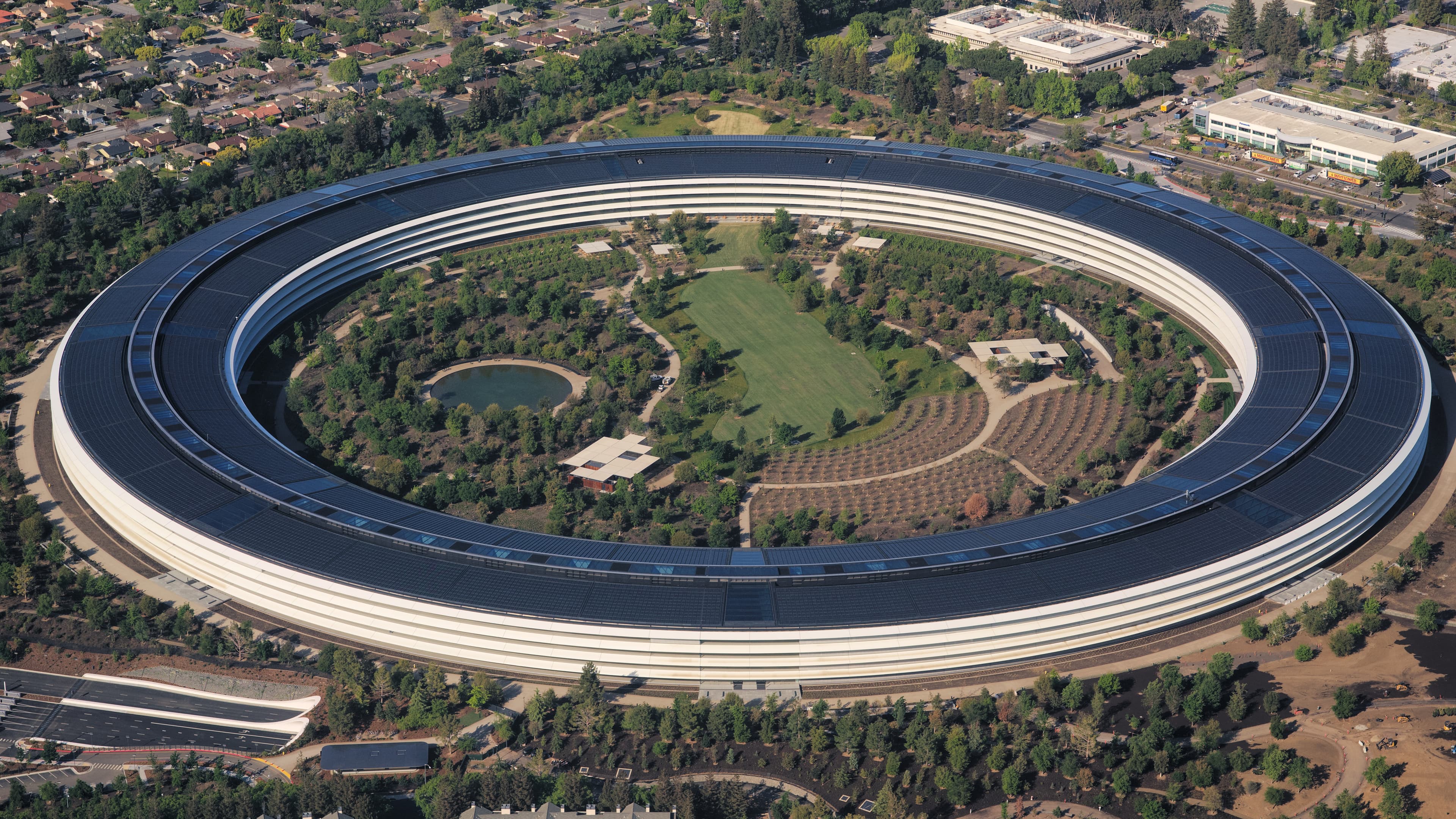
A hawkish BOJ could eventually strengthen the yen, reducing the repatriated earnings of U.S. technology firms with substantial Japanese operations. Apple, whose shares dropped 1.4 percent to $333.43, derives a considerable portion of revenue from Asia. Alphabet fell 0.9 percent to $333.66, reflecting broader concerns about international revenue conversion.
Nvidia gained 2.6 percent to $195.04 and Tesla rose 3.5 percent to $308.85. Both carry expanding global footprints that leave them exposed if the BOJ moves toward tightening. Watch the Tokyo Consumer Price Index for the clearest signal on policy timing—the BOJ's next meeting is scheduled for Sept. 19.