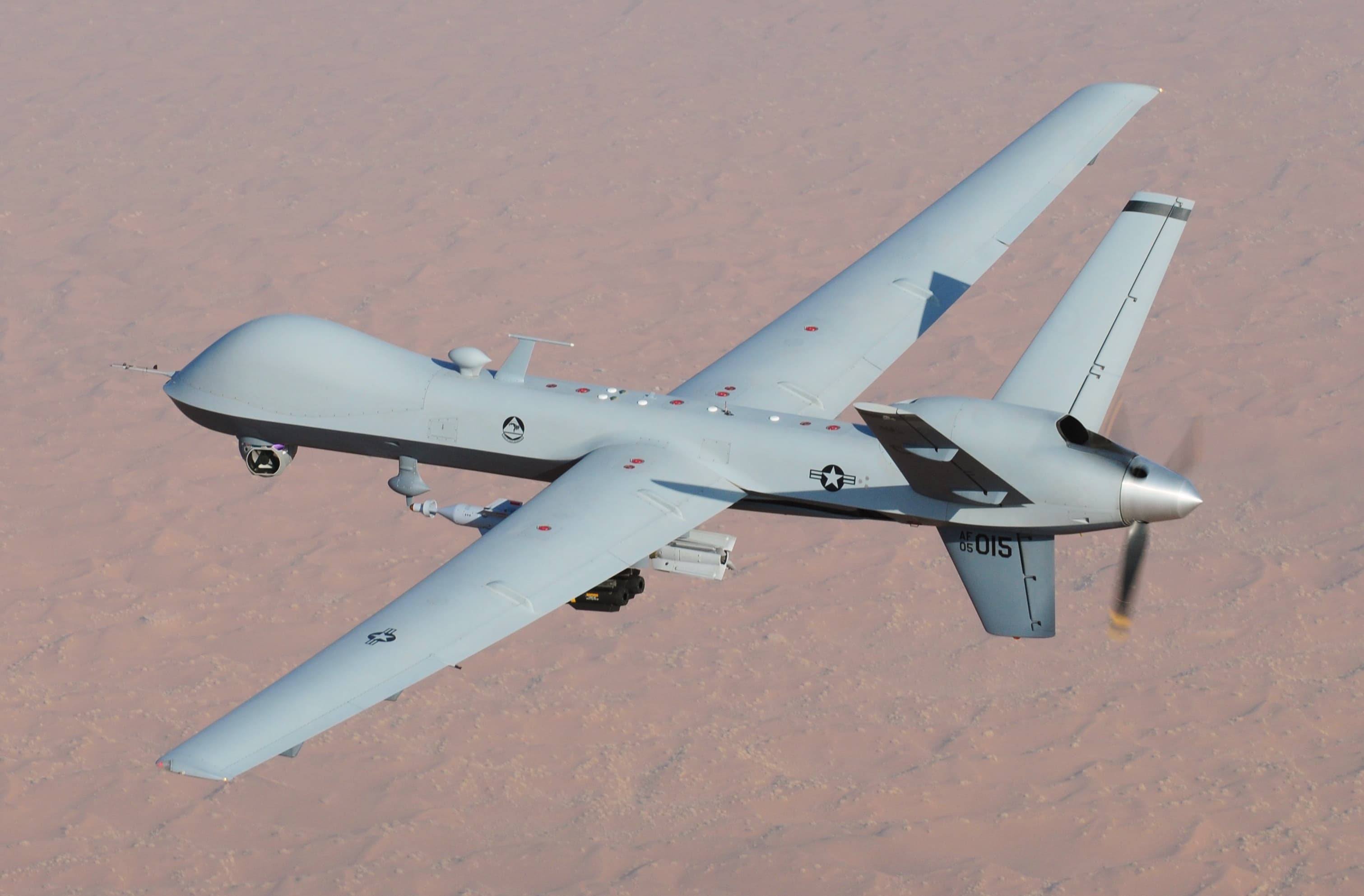
The S&P 500 gained 0.7 percent to 7,490 while the Russell 2000 fell 0.5 percent to 2,931, a divergence that sharpened after Rosatom said one of its civilian vessels sank in the Black Sea following a Ukrainian drone attack. All crew members survived, Rosatom said.
The Black Sea remains a critical artery for grain and energy shipments from Russia and Ukraine. Disruptions there have historically pushed global inflation expectations higher, complicating central bank policy on rates and quantitative tightening. Nvidia rose 2.9 percent to $200.75, helping lift large-cap technology stocks even as broader risk sentiment stayed cautious.
The U.S. dollar index climbed to 105.3, its highest since November, reflecting a flight-to-quality bid consistent with geopolitical stress. Bond markets typically price such events through higher yields on riskier sovereign debt or a duration-compressing bid for U.S. Treasuries — the dollar's move suggests the latter is gaining traction among institutional fixed-income managers.
Further escalation in the Black Sea could push shipping and insurance premiums higher, feeding into European inflation figures and complicating the outlook for major central banks. The Federal Reserve's next policy meeting is scheduled for Sept. 17-18, where officials will weigh inflation, labor market data and evolving geopolitical risks. The European Central Bank faces similar pressure ahead of its Oct. 27 policy announcement.


