SAN FRANCISCO — Apple announced its updated Siri at WWDC 2026, marking the most significant overhaul of the voice assistant since its 2011 debut. The new capabilities will enter beta later in 2026, tied to the release of iOS 27.
The upgrade arrives after 14 years of incremental updates and sustained user frustration. Apple said the new Siri shifts its backend to support the company's own AI models and other infrastructure, though it offered few specifics on the underlying architecture.
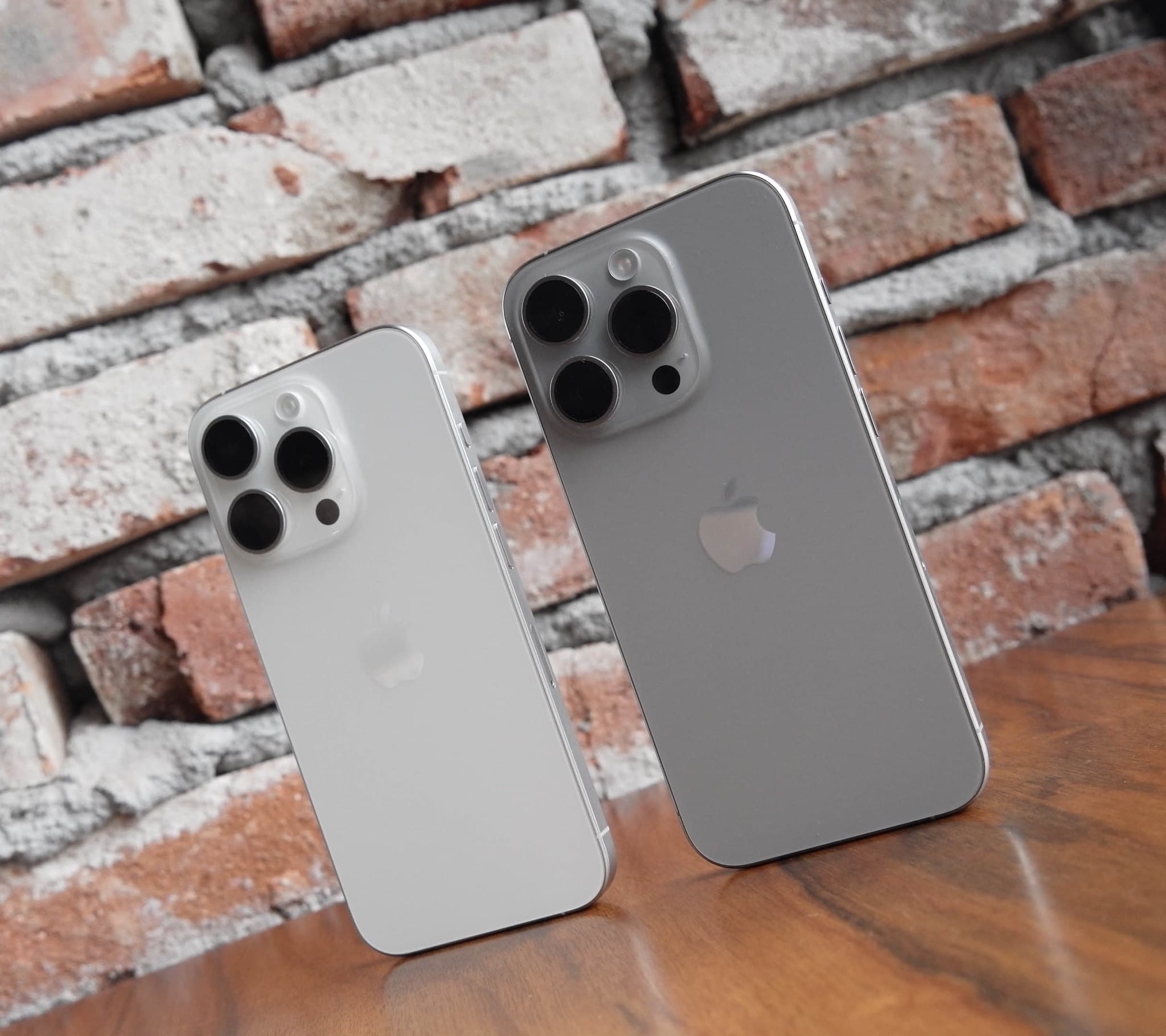
Full access will not be universal. Users need an iPhone 15 Pro, iPhone 15 Pro Max or a newer model to access the complete feature set — a hardware gate that effectively excludes millions of existing iPhone owners from a core operating system capability.
The restriction reflects the computational demands modern AI models place on device hardware, including advanced neural engines and expanded memory capacity. Apple has invested heavily in both to support on-device inference.
The delay in delivering a competitive AI assistant has left Apple trailing rivals that committed to generative AI years earlier. This effort is a catch-up play in a market where Google, Microsoft and Amazon have already established positions.
Analysts have long flagged Siri's underperformance as a missed opportunity to embed deeper AI functionality across Apple's product suite, drawing skepticism about the company's pace of AI development.
Apple shares fell 1.2 percent to $305.24, reflecting investor caution about the company's AI strategy and its path to monetizing the new features.
The hardware requirement could support upgrade cycles for Apple's premium iPhone lineup, but it risks alienating users on older devices who see a core feature locked behind a paywall measured in hardware cost.


