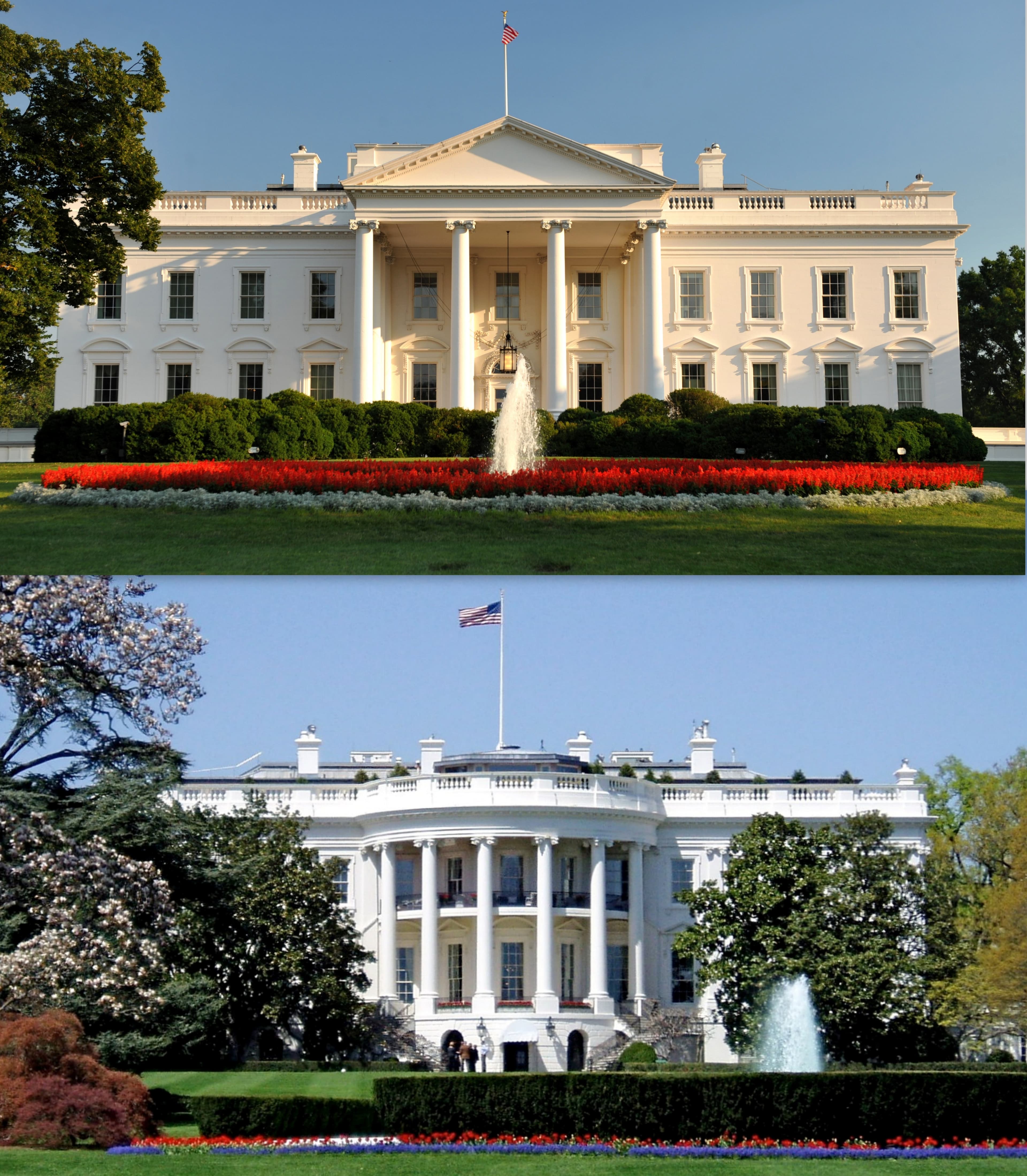
WASHINGTON — President Donald Trump on Monday called Iranian leadership "unbelievably duplicitous," saying Tehran "begs for talks" even as it publicly denies any discussions are taking place. The remarks came during a morning press conference at the White House.
Trump's accusation points to a gap between private diplomatic overtures and Iran's public posture. Back-channel communications often involve intermediaries, a common practice when direct talks are politically difficult for one or both parties.
Iranian officials have consistently said they will not engage in direct negotiations with the United States — a cornerstone of Tehran's foreign policy, particularly since the U.S. withdrawal from the Joint Comprehensive Plan of Action in 2018.
The administration has maintained a maximum pressure campaign of sanctions, aiming to force Iran back to the negotiating table on new terms covering its nuclear program and regional activities.
Secretary of State Mike Pompeo has previously said the United States is open to diplomacy with Iran without preconditions, a position Tehran has largely dismissed as disingenuous given the ongoing sanctions. National Security Advisor John Bolton has also maintained a hardline stance against the Iranian government.
Supreme Leader Ali Khamenei and President Ebrahim Raisi have repeatedly said any talks would occur only if the United States first lifts all sanctions, which they view as a prerequisite to demonstrate good faith.
Trump's public accusation of duplicity complicates any potential diplomatic path. It frames Iran's leadership as untrustworthy, making it harder for either side to claim a win from any negotiation.
For hardliners within Iran, Trump's comments provide further evidence that the United States cannot be trusted, reinforcing their opposition to engagement. Elements within Iran who may favor dialogue could find their position weakened by the public rebuke.
Regional allies, particularly Saudi Arabia and Israel, closely watch U.S.-Iran dynamics. Both nations have expressed concern over Iran's ballistic missile program and its influence in Yemen, Lebanon and Syria.
The U.S. Treasury Department has continued to enforce sanctions targeting Iran's oil exports, banking sector and paramilitary groups — the administration's primary tool for pressuring Tehran to change its behavior.
Trump offered no specific evidence for his claim that Iran was seeking talks. Iranian state media promptly reiterated Tehran's official position, denying any secret discussions and condemning the U.S. stance.