The current global macro landscape is increasingly shaped by geopolitical flashpoints and domestic policy realignments, moving beyond traditional economic data releases to drive market sentiment. President Trump's administration faces critical junctures, notably the “Iran ‘finish line’” and an evolving “US-NATO rift,” which are injecting significant uncertainty into global capital markets. These developments are not mere political theater; they directly impact the long-term inflation outlook, commodity prices, and the risk premium demanded by investors. Simultaneously, domestic policy discussions surrounding “birthright citizenship” and the future of “401(k)s” signal potential shifts in labor supply, fiscal policy, and capital allocation, with profound implications for fixed income and equity valuations. The White House ballroom, often a stage for diplomatic discourse, now hosts discussions that could redefine international economic cooperation and domestic investment frameworks.
Market participants immediately reacted to the heightened geopolitical temperature and policy ambiguity. While specific bond yield movements are not provided, the implied flight-to-safety dynamic would typically see a bid for U.S. Treasuries on the long end, though inflation expectations derived from crude oil sensitivity to Iran developments could push breakevens wider. The U.S. Dollar Index (DXY) would likely strengthen on safe-haven flows, especially against currencies tied to European stability given the NATO rift. Equities, despite a day of gains with the S&P 500 up 0.7% to $6,575 and Nasdaq climbing 1.2% to $21,841, exhibit underlying caution. The Crypto Fear & Greed Index registering at 8 (Extreme Fear) underscores a broader market unease, even as BTC trades at $68,153 (+0.6%) and ETH at $2,142 (+2.3%), signaling a divergence between a segment of risk assets and broader sentiment. Gold, a traditional safe haven, would typically see increased demand under such conditions, reflecting the elevated geopolitical risk premium.
The current confluence of geopolitical tension and domestic policy recalibration evokes parallels with past cycles where non-economic factors dictated market direction. Consider the oil shocks of the 1970s, which were fundamentally geopolitical, or the post-9/11 period where risk premiums soared across asset classes. The “Iran ‘finish line’” scenario carries echoes of the Gulf Wars, where crude oil prices surged, directly translating into higher inflation and subsequent hawkish pivots by central banks. Similarly, a “US-NATO rift” challenges the post-WWII economic order, reminiscent of Cold War-era realignments that led to shifts in global trade routes and capital flows. Policy debates impacting “401(k)s” also recall periods of significant pension reform or tax code overhauls, such as the 1980s, which fundamentally reshaped the landscape for long-term institutional investors and individual savers. The market's current response, characterized by caution despite equity gains, demonstrates a learned sensitivity to these systemic, non-cyclical risks.
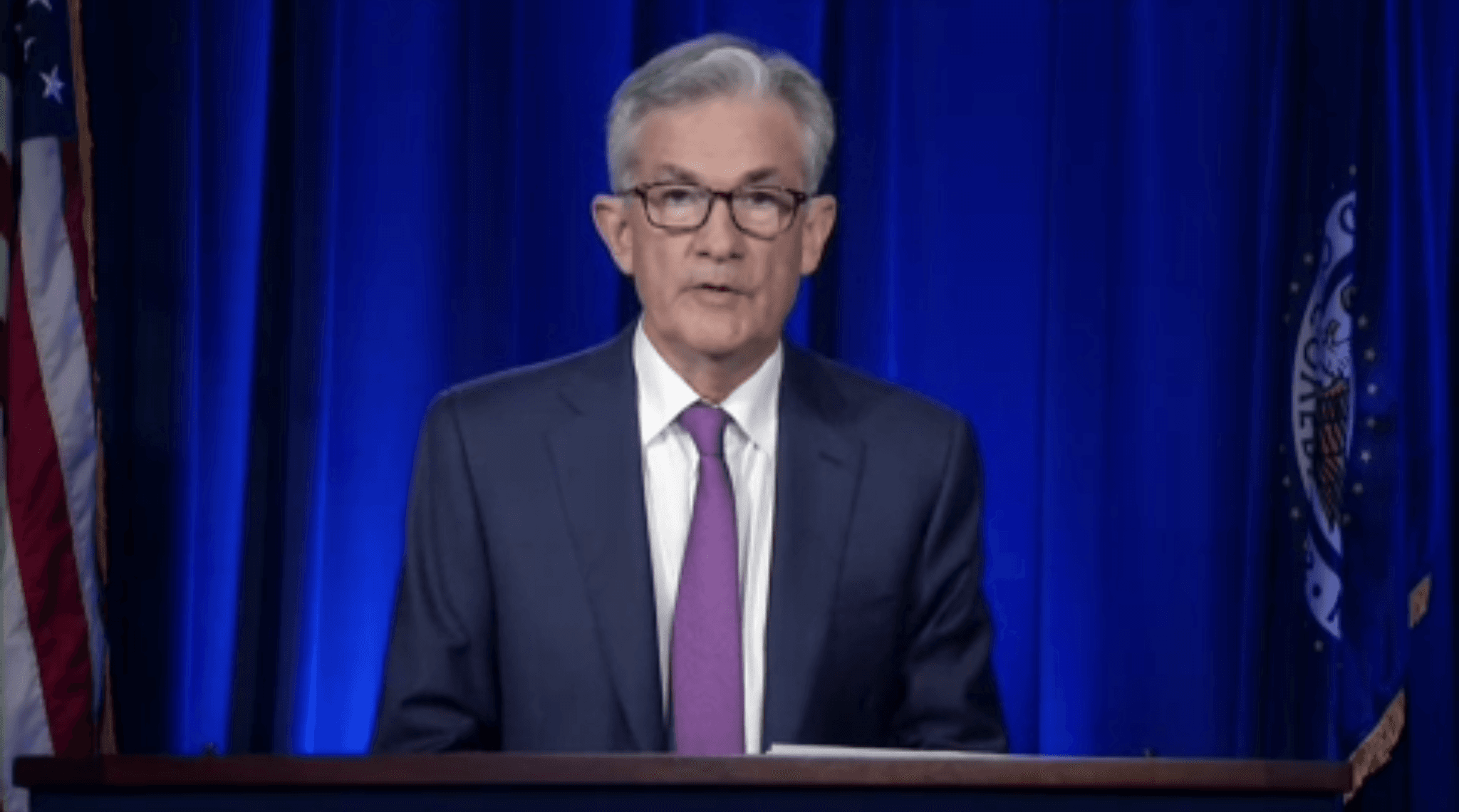
Federal Reserve Chair Jerome Powell, along with his counterparts at the European Central Bank and Bank of Japan, now confronts an environment where geopolitical risk and domestic policy shifts are paramount to monetary policy decisions. The Fed's dual mandate of maximum employment and price stability becomes significantly more complex when supply-side shocks from geopolitical events (e.g. oil price spikes from Iran tensions) threaten to reignite inflation, while policy uncertainty (e.g. US-NATO rift impacting global trade) simultaneously dampens growth prospects. Central banks typically prefer to look through temporary supply shocks, but persistent geopolitical instability or a fundamental reordering of global alliances compels a more proactive stance. The prospect of changes to “401(k)s” could also impact long-term savings rates and capital formation, influencing the neutral rate estimate and structural economic growth, factors that central banks continuously monitor in their forward guidance.
In the fixed income sphere, the implications of these developments are profound. The “Iran ‘finish line’” and “US-NATO rift” introduce uncertainty that pushes investors into duration, flattening the yield curve as long-term growth prospects dim while short-term policy rates remain anchored by inflation concerns. However, if the Iran situation escalates into a supply-side oil shock, inflation expectations could rise, steepening the curve as investors demand higher compensation for future inflation. Credit spreads, particularly for corporate bonds sensitive to global trade and geopolitical stability, would likely widen. Investment-grade corporate giants like Apple, Amazon, and Microsoft, despite their robust balance sheets, would see their spreads to Treasuries expand as systemic risk increases. For high-yield issuers, the impact would be more acute, leading to significant spread compression as investors demand higher risk premiums. Portfolio managers, especially those with long duration profiles in government bonds, face increased duration risk as yield volatility escalates. The shifting sands of geopolitical alliances and domestic policy also introduce sovereign risk considerations, potentially impacting the demand for U.S. debt relative to other developed nations.
The ripple effects extend across all asset classes. Equities, while enjoying a positive day with the S&P 500 at $6,575 and Nasdaq at $21,841, are operating under a cloud of uncertainty. Technology giants like Alphabet (+3.4% to $297.39) and Tesla (+2.6% to $381.26) may show resilience due to unique growth drivers, but broader market indices are exposed to shifts in geopolitical risk and policy. A “US-NATO rift” could disrupt supply chains for multinational corporations, impacting profitability and investor sentiment. The prospect of changes to “401(k)s” directly influences the demand for equities, potentially altering the long-term capital flows into retirement accounts, which are a bedrock of equity market support. In the crypto space, the Extreme Fear index at 8 suggests that while BTC ($68,153) and ETH ($2,142) show nominal gains today, underlying sentiment is fragile. Cryptocurrencies, often touted as inflation hedges or safe havens, are still sensitive to broader risk-off sentiment, reflecting their relatively short history during periods of sustained geopolitical instability. Commodities, particularly crude oil, would experience extreme volatility tied directly to the “Iran ‘finish line’” scenario, with potential for significant price spikes or collapses depending on the outcome, driving inflation expectations directly.
Market participants are now keenly focused on upcoming diplomatic engagements and policy announcements from the Trump administration that could clarify the path forward on Iran and the US-NATO relationship. Any White House statements regarding the “Iran ‘finish line’” or concrete steps related to the alliance framework will be scrutinized for their geopolitical implications. On the domestic front, further details on proposals concerning “birthright citizenship” and “401(k)s” will be critical. These policy shifts could dictate future labor market dynamics and the long-term savings landscape. Investors must conduct rigorous scenario analysis, modeling potential outcomes ranging from de-escalation and policy clarity leading to reduced risk premiums, to escalation and sustained policy divergence causing further market fragmentation and increased volatility. The next CPI release, while not the immediate focus today, will be viewed through the lens of these geopolitical developments, particularly concerning energy prices and their pass-through effects on core inflation.
Gokhshtein Media maintains that the current macro outlook is fundamentally reshaped by geopolitical dynamics and domestic policy uncertainty, overshadowing traditional economic indicators. The “Iran ‘finish line’” represents a significant tail risk for energy markets and global inflation, demanding a vigilant stance from fixed income investors prepared for potential supply-side shocks. Simultaneously, the “US-NATO rift” introduces structural shifts in global alliances and trade, necessitating a reevaluation of sovereign credit risk and currency exposures. Debates surrounding “birthright citizenship” and “401(k)s” will dictate long-term capital allocation and labor supply, impacting potential growth rates. Investors must price in an elevated geopolitical risk premium across asset classes. We anticipate continued volatility in bond yields, widening credit spreads, and an increased demand for genuine safe-haven assets, while equity markets grapple with the implications of a less predictable global order. Navigating this environment requires a deep understanding of policy implications beyond mere economic data.