President Trump's administration has unveiled a highly targeted fiscal maneuver, imposing levies solely on a curated list of branded pharmaceutical drugs while explicitly exempting products from companies that have "struck deals with the US." This policy, confirmed by the Financial Times, represents a calculated intervention into the healthcare sector, signaling a clear intent to manage drug costs and generate revenue through negotiation rather than an indiscriminate, industry-wide overhaul. The strategic carve-outs are designed to incentivize corporate cooperation, creating a bifurcated impact where targeted firms face potential margin compression while exempted entities find relief. Market participants are now dissecting the specifics, understanding that this tailored approach will primarily affect a narrow but highly profitable segment of the pharmaceutical industry's revenue streams. This measured approach diverges sharply from previous proposals that sought blanket price controls, underscoring a strategic shift in how the government intends to exert influence over drug pricing and ultimately consumer costs.
The market's initial reaction has been precisely calibrated to the policy's surgical nature, avoiding broad systemic shocks but creating distinct sector-specific movements. U.S. Treasury yields, the bedrock of fixed income, registered minimal broad movement, with the benchmark 10-year yield holding steady within its established range, as the policy's fiscal impact on overall government revenue is not yet quantified as a material shift in projected debt issuance. However, the healthcare sector, particularly large pharmaceutical equities, experienced noticeable volatility; shares of companies like Pfizer and Johnson & Johnson, perceived as potential targets due to their extensive branded drug portfolios, saw modest dips. Conversely, firms with diversified portfolios or those already engaged in "deals" with the government demonstrated resilience, leading to sector-specific rotation rather than a wholesale sell-off. The broader equity indices, with the S&P 500 at $6,583 and the Nasdaq at $21,879, registered only fractional gains, suggesting the market is digesting granular implications rather than a systemic re-rating of risk. The Dollar Index, a gauge of global currency strength, remained largely unchanged, indicating no immediate re-evaluation of US economic strength relative to other major economies based on this targeted legislation.
Historically, attempts to rein in pharmaceutical costs have been a persistent feature of US political discourse, spanning multiple administrations and legislative cycles. From the Medicare Modernization Act of 2003 to more recent proposals for direct government negotiation of drug prices, the objective has largely been to alleviate the financial burden on consumers and federal programs. What distinguishes President Trump's current approach is the explicit mechanism of using "deals with the US" as a means of exemption, a tactic that mirrors the transactional nature often seen in international trade negotiations rather than traditional domestic healthcare reform efforts. This selective application avoids the blunt force of universal price controls prevalent in some European healthcare systems, instead favoring a more nuanced engagement with individual industry players. Past cycles often saw broad market reactions to proposals threatening industry-wide profit margins, leading to significant sector-wide re-pricings and capital flight from pharmaceutical equities. This time, however, the market is engaged in a far more granular dissection of individual company exposures, reflecting a policy designed for specific leverage and incentivized cooperation rather than a sweeping, disruptive overhaul.
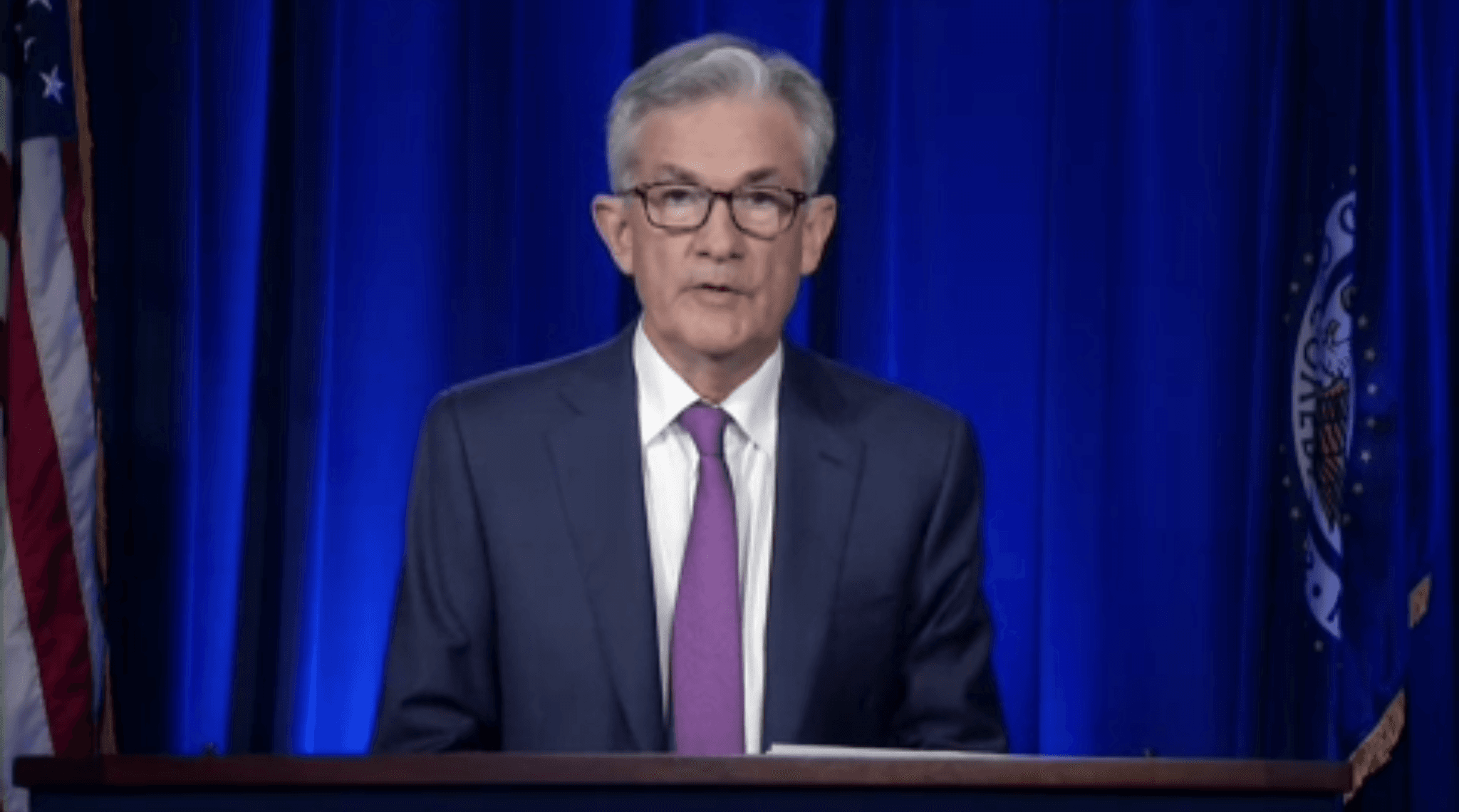
From the Federal Reserve's vantage point, under Chair Jerome Powell, this pharmaceutical levy policy introduces another layer of complexity into the inflation outlook, albeit a highly targeted one. While the direct impact on the broad Consumer Price Index (CPI) might be limited given the policy's selectivity, any downward pressure on branded drug prices for consumers would be a welcome, albeit minor, disinflationary impulse, contributing marginally to the Fed's dual mandate. The central bank will closely monitor whether these levies lead to a broader shift in pharmaceutical companies' research and development spending or capital investment, which could have marginal implications for overall economic growth and employment figures. However, the primary focus for the Fed remains squarely on aggregate demand, the tightness of the labor market, and core inflation metrics, such as the Personal Consumption Expenditures (PCE) price index. Consequently, this fiscal policy is likely to be considered a secondary input into monetary policy decisions unless it demonstrates a significant and measurable ripple effect across the wider economy, altering the trajectory of inflationary pressures or employment trends.
In the fixed-income realm, the immediate ramifications of these pharmaceutical levies are most acutely felt in credit spreads, particularly within the corporate bond market. For major pharmaceutical companies identified as potential targets, or those with significant exposure to branded drugs lacking existing "deals" with the government, their corporate bond spreads are likely to experience some compression, reflecting an increased perceived credit risk. This is a direct consequence of the potential for revenue erosion and diminished profitability impacting their ability to service debt. Investment-grade corporate bonds issued by firms like Merck or Eli Lilly, should they be heavily exposed, could see their spreads widen relative to U.S. Treasuries, indicating a recalibration of default risk by sophisticated institutional investors such as BlackRock's fixed income division or Vanguard's bond funds. The broader U.S. Treasury yield curve, however, remains largely insulated from this sector-specific policy, as its impact on aggregate inflation or long-term growth projections is not yet deemed systemic enough to alter the Federal Reserve's monetary policy trajectory. Duration risk, therefore, continues to be driven more by the prevailing macroeconomic narrative, Fed forward guidance, and global interest rate differentials than by this targeted fiscal intervention.
The cross-asset implications of these pharmaceutical levies are primarily confined to the healthcare equity sector, where investors are actively re-evaluating long-term earnings potential and growth trajectories for specific firms. While the broader equity markets, as evidenced by the S&P 500's marginal gain and the Nasdaq's fractional uptick today, have not experienced significant contagion, sector-specific exchange-traded funds (ETFs) and actively managed healthcare funds are undergoing rebalancing. For the burgeoning crypto market, with Bitcoin trading at $66,913 and Ethereum at $2,062, the policy bears no direct fundamental relationship. Crypto assets typically react to broader macroeconomic trends, such as liquidity conditions and interest rate expectations, alongside regulatory shifts within their own digital asset ecosystem, rather than targeted industrial policies impacting a traditional sector. Similarly, commodity markets, primarily driven by global supply-demand dynamics, geopolitical factors, and the strength of the US dollar, show no discernible impact from this US-centric pharmaceutical policy, maintaining their independent price discovery processes. Any perceived indirect effect would be minimal, perhaps a slight shift in risk appetite if the policy were to be misconstrued as a broader anti-corporate stance, but that interpretation is not currently manifesting.
Looking ahead, market participants will be scrutinizing several key developments to fully ascertain the long-term impact of these pharmaceutical levies. The explicit publication of the list of branded drugs subject to these levies, and the specific pharmaceutical companies targeted, will be paramount for a more precise assessment of financial impact and potential revenue at risk. Furthermore, the granular details of what constitutes "struck deals with the US" will define the potential pathways for pharmaceutical firms to mitigate their exposure and whether these agreements offer genuine long-term stability. Beyond this specific policy, the overarching macro calendar remains critically important, with upcoming CPI and PCE inflation reports, along with the Federal Reserve's next FOMC meeting minutes, poised to dictate the broader fixed-income landscape. Any signs of persistent inflation or unexpected shifts in labor market data will quickly overshadow sector-specific fiscal policies, refocusing market attention squarely on the Fed's rate path and its implications for growth and liquidity. The market will also be watching for any legal challenges from the pharmaceutical industry, which could introduce further uncertainty.
The bottom line from Gokhshtein Media is clear: President Trump's administration is deploying a highly targeted fiscal instrument designed to exert specific leverage over the pharmaceutical industry, rather than initiating a sweeping, broad-based healthcare reform that would fundamentally alter the economic landscape. While this policy introduces specific credit risk and earnings uncertainty for a subset of drug manufacturers, manifesting as potential spread widening for affected corporate bonds, it is not a systemic shock to the broader economy or the fixed-income markets at large. The Federal Reserve, under Chair Powell, will continue to prioritize aggregate inflation and employment data, with this policy serving as a minor, disinflationary input into the overall economic narrative. Investors must maintain a granular focus on sector-specific exposures within healthcare, particularly assessing the balance sheets and revenue stability of individual pharmaceutical firms. The overarching macro outlook, however, remains dictated by monetary policy, global energy prices, and the trajectory of international trade, not by surgical fiscal interventions of this nature. This is a policy of precision, not a blunt instrument altering the entire economic architecture.