Pope Leo's Easter Sunday plea for an end to global conflicts, serves as a stark reminder of the pervasive geopolitical instability that continues to cast a long shadow over the global economic outlook. While not a direct economic data release, such high-level calls for peace inherently highlight the tangible and intangible costs of ongoing wars, which manifest directly in commodity markets, supply chain disruptions, and sovereign risk premiums. This humanitarian appeal, delivered on a significant religious holiday, underscores the mounting pressure on global leaders to de-escalate tensions, a critical factor for any meaningful shift in the underlying inflationary dynamics plaguing major economies. From the perspective of institutional fixed income, the persistence of these conflicts represents a constant, unquantifiable variable that complicates central bank mandates and adds layers of uncertainty to forward guidance.
In the immediate wake of such pronouncements, markets often reflect a complex interplay of current sentiment and underlying structural trends, rather than a direct, singular response. Today, equities presented a mixed picture, with the S&P 500 up marginally at $6,583 and the Nasdaq gaining 0.2% to $21,879, while the Dow Jones slipped 0.1% to $46,505. The Russell 2000, often a bellwether for domestic economic sentiment, saw a healthy 0.7% rise to $2,530. Cryptocurrency markets, notably Bitcoin at $69,084 and Ethereum at $2,121, both registered gains of roughly 2.8% and 2.9% respectively, even as the broader Crypto Fear & Greed Index remained firmly entrenched in "Extreme Fear" at 13, suggesting a divergence between price action and underlying sentiment possibly influenced by specific asset flows rather than a broad risk-on pivot. Bond yields, while not explicitly moving on this single headline, continue to price in a geopolitical risk premium, reflecting the ongoing uncertainty that such high-level calls for peace aim to address.
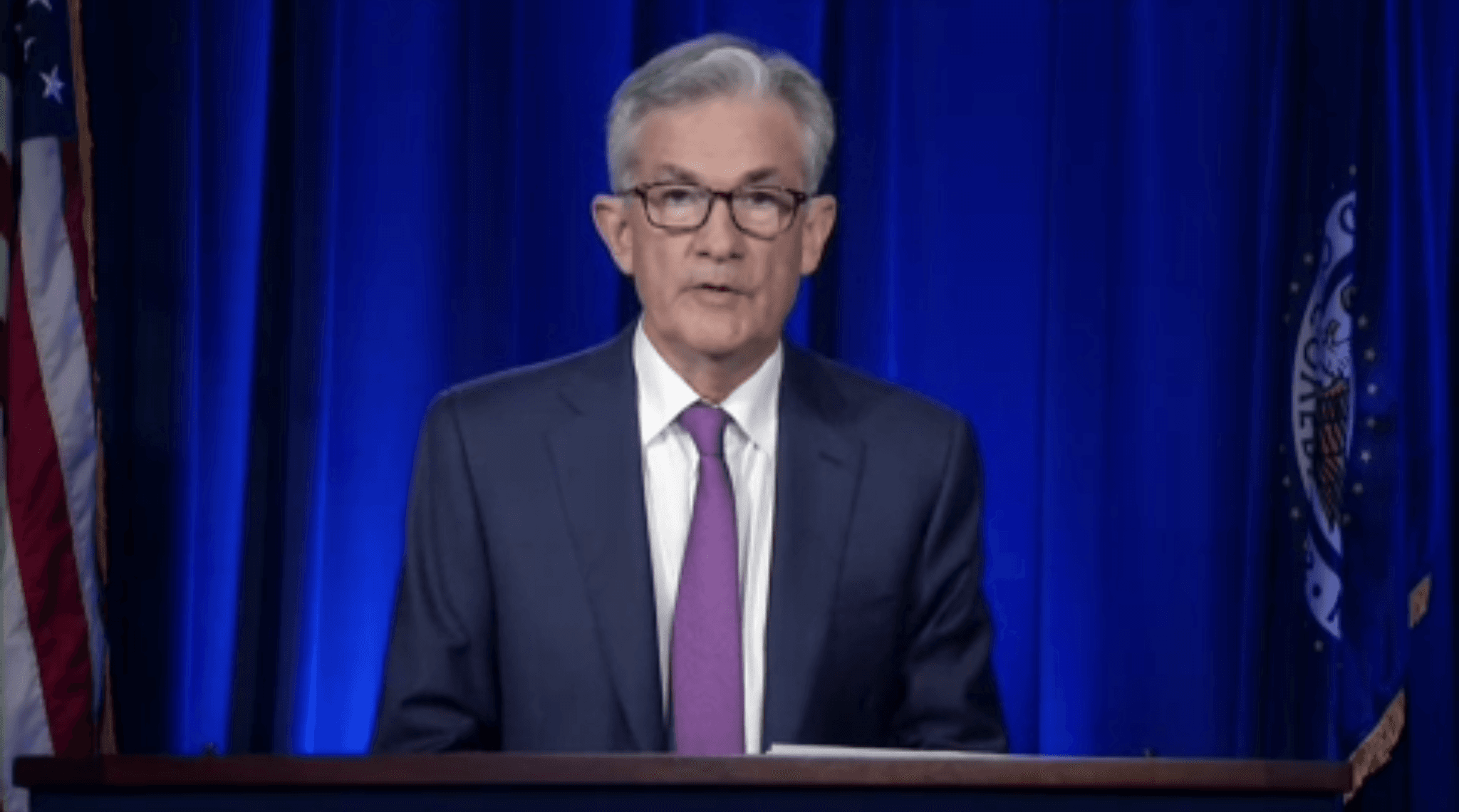
The historical record is replete with examples where geopolitical events have profoundly reshaped economic trajectories and central bank policy. From the oil shocks of the 1970s, triggered by regional conflicts, to more recent supply chain disruptions exacerbated by trade disputes and localized skirmishes, the bond market has consistently priced in a "war premium" or "geopolitical risk premium." This premium manifests as higher long-term yields, reflecting increased inflation expectations and greater fiscal uncertainty as governments ramp up defense spending or face reconstruction costs. Unlike typical business cycle downturns or expansions, conflicts introduce exogenous shocks that central banks, including the Federal Reserve under Chair Jerome Powell, struggle to model and counteract with conventional monetary tools, often leading to a challenging stagflationary environment where growth is curtailed while prices remain elevated. This current environment, characterized by persistent inflationary pressures and fragmented global supply chains, echoes aspects of previous decades where geopolitical instability dictated the pace and direction of monetary tightening or easing cycles.
For central banks globally, including the Federal Reserve, the European Central Bank, and the Bank of Japan, geopolitical stability is a foundational assumption for effective monetary policy. When this assumption is challenged by ongoing conflicts, it complicates the delicate balance of achieving price stability and maximizing employment. Chair Jerome Powell has repeatedly emphasized the Fed's data-dependent approach, but geopolitical shocks introduce an element of unpredictability that transcends typical economic indicators. These conflicts inject supply-side inflation that monetary policy is less equipped to handle, forcing a choice between combating inflation with aggressive tightening that risks recession, or accommodating supply shocks at the expense of price stability. The current environment, where persistent inflationary pressures are partly fueled by commodity price volatility linked to geopolitical tensions, means that the path to a sustainable 2% inflation target remains fraught with external risks, making any definitive forward guidance exceptionally challenging and subject to rapid revision.
In the fixed income landscape, persistent geopolitical uncertainty has tangible and immediate effects on yield curve dynamics, credit spreads, and duration risk. A flight to quality, characteristic of heightened risk aversion, typically drives demand for safe-haven assets like U.S. Treasuries, pushing down yields on the long end of the curve, leading to a flattening or even inversion. However, the inflationary impulse from commodity shocks and increased fiscal spending related to conflicts can counteract this, pushing yields higher across the curve, especially at the long end, as investors demand greater compensation for future inflation and increased sovereign debt issuance. Credit spreads, particularly for corporate bonds in sectors sensitive to global trade or energy prices, tend to widen as perceived default risk increases in a volatile geopolitical climate. For institutional investors holding long-duration assets, this environment significantly amplifies duration risk; any unexpected uptick in inflation or sovereign risk premium can lead to substantial capital losses, forcing a re-evaluation of portfolio construction and hedging strategies at major funds like BlackRock and Vanguard.
The cross-asset implications of sustained geopolitical tensions are profound, creating a complex risk-reward matrix for investors across various asset classes. Equities, while generally benefiting from lower interest rates in peacetime, become highly susceptible to supply chain disruptions, energy price volatility, and reduced consumer confidence during conflicts. Today's mixed equity performance, with Tesla down 5.4% to $360.59 while Microsoft gained 1.1% to $373.46, exemplifies this sectoral divergence where growth stocks face scrutiny amidst uncertainty, while defensive or tech leaders with robust balance sheets show resilience. In the crypto sphere, the "digital gold" narrative for Bitcoin ($69,084) and Ethereum ($2,121) often emerges during geopolitical crises, yet the Crypto Fear & Greed Index at 13 points to underlying apprehension, suggesting these assets remain highly sensitive to broader risk-on/risk-off sentiment despite their recent gains. Commodities, especially crude oil, natural gas, and precious metals like gold, typically serve as direct barometers of geopolitical risk, with prices often spiking on escalation and retreating on de-escalation, embodying the direct inflationary pass-through to the real economy.
Looking ahead, the trajectory of global conflicts and the potential for de-escalation will remain a critical, albeit unquantifiable, input for market participants alongside traditional economic data releases and central bank pronouncements. While specific peace initiatives or diplomatic breakthroughs are inherently unpredictable, the fixed income market will closely monitor any signs of reduced geopolitical friction, as such developments could significantly alter inflation expectations and the perceived need for elevated risk premiums. Upcoming inflation reports, central bank meetings, and fiscal policy announcements from major governments will all be assessed through the lens of ongoing geopolitical stability, or lack thereof. Should Pope Leo's plea lead to genuine, tangible diplomatic progress, the implications for global growth, commodity prices, and ultimately the trajectory of global interest rates, particularly the speed at which central banks might consider easing monetary policy, would be substantial, potentially setting the stage for a steepening of yield curves as long-term growth prospects improve.
The bottom line from Gokhshtein Media is unequivocal: the persistent specter of global conflict, vividly highlighted by Pope Leo's Easter message, remains a dominant, exogenous variable in the global macroeconomic equation, directly impacting the calculus for central bankers and fixed-income investors alike. While markets may show a degree of resilience on any given day, the underlying geopolitical risk premium continues to inflate sovereign bond yields and complicate the path to achieving sustainable price stability. Until there is concrete evidence of widespread de-escalation and a genuine commitment to peace, the Fed, under Chair Powell, and its global counterparts will continue to grapple with supply-side inflationary pressures and heightened economic uncertainty, making any significant dovish pivot in monetary policy highly improbable. Investors must maintain a vigilant eye on geopolitical developments, as these non-economic factors hold considerable sway over the future shape of yield curves and the broader risk environment for years to come.