The global energy complex is once again under severe pressure as crude oil prices registered a sharp rebound, following their most significant single-day decline since 2020 earlier in the week. This reversal is directly attributable to the continued blockage of the Strait of Hormuz, a critical chokepoint for approximately one-fifth of the world's oil supply. The geopolitical instability in the region, exacerbated by recent maritime incidents, has injected an immediate inflation premium back into energy futures contracts. This volatile price action underscores the market's acute sensitivity to supply disruptions in key transit routes, effectively derailing any near-term expectations for a sustained abatement in commodity-driven inflation. The sudden shift forces central banks to confront renewed upside risks to their price stability mandates.
Fixed-income markets immediately reflected this renewed inflationary impulse, with longer-dated Treasury yields rising as real money accounts unwound positions betting on imminent rate cuts. The U.S. Dollar Index (DXY) strengthened, reflecting its traditional safe-haven status and the expectation of a more hawkish Federal Reserve stance in response to energy price spikes. Equity markets, however, showed surprising resilience, with the Nasdaq climbing +2.8% to $22,635, the Russell 2000 gaining +3.0% to $2,620, the Dow Jones up +2.8% to $47,910, and the S&P 500 advancing +2.5% to $6,783. This resilience was largely driven by a rotation into energy and materials sectors, alongside strong performance from tech giants like Meta, which surged +6.5% to $612.42, and Alphabet, up +3.9% to $317.32, suggesting a bifurcation in market sentiment where growth outlooks remain robust for specific segments despite macro headwinds. Gold prices saw modest gains, reflecting its role as an inflation hedge, though constrained by rising real yields.
The current scenario echoes historical periods of significant energy shocks, notably the 1970s oil crises and the geopolitical tremors following the 2022 conflict in Ukraine, both of which severely impacted global supply chains and ignited persistent inflationary pressures. During the 1970s, the Federal Reserve under Arthur Burns and later Paul Volcker struggled to contain inflation that spiraled into double digits, largely fueled by successive oil embargoes and price hikes. More recently, the post-pandemic recovery was complicated by commodity supercycles, where energy and food prices surged, forcing central banks globally, including the Fed and ECB, into aggressive tightening cycles. The Strait of Hormuz blockage now presents a direct, tangible threat to energy supply comparable in its immediate market impact to these prior episodes, demanding a similar level of scrutiny from policymakers and market participants alike regarding its potential for sustained inflation.
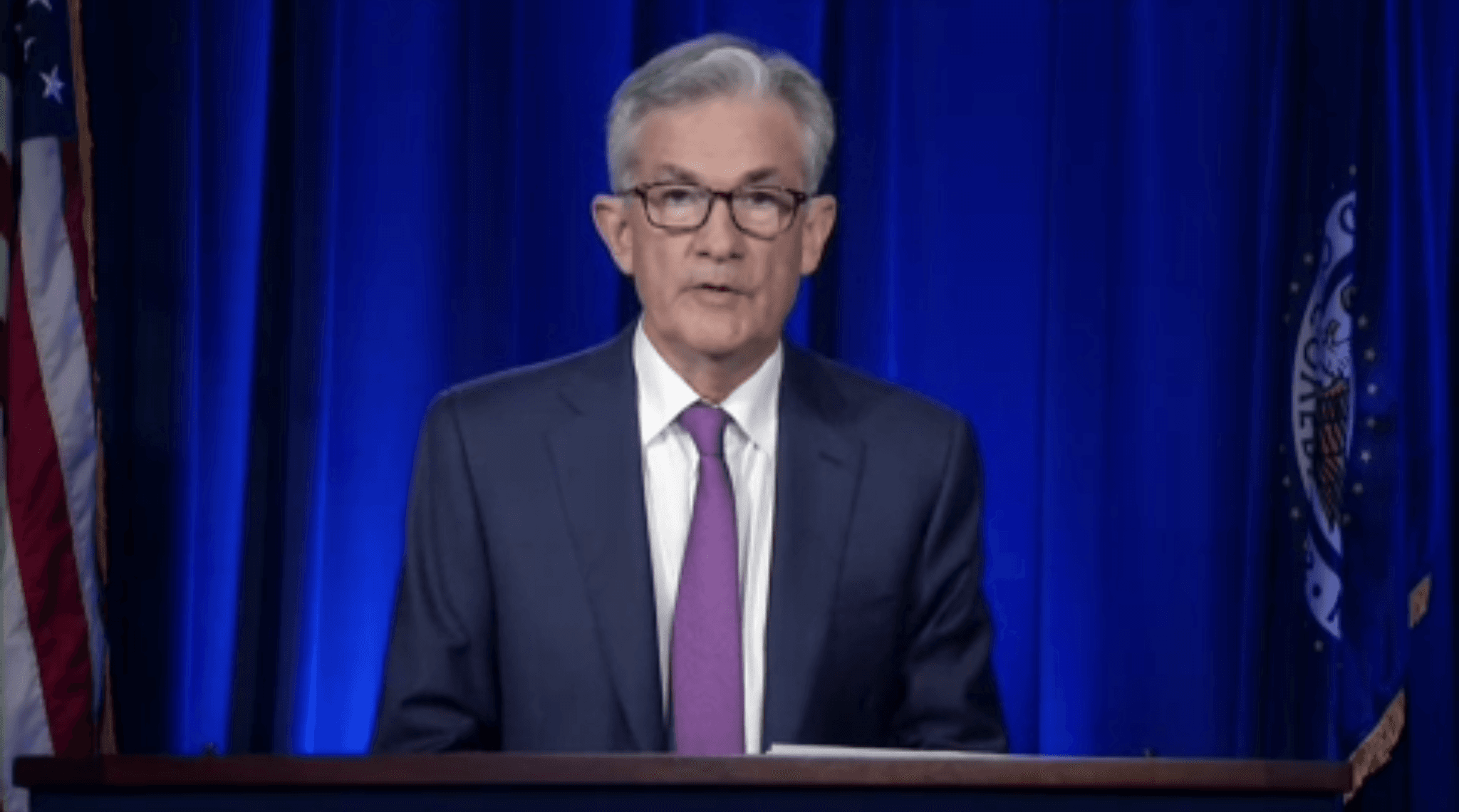
Federal Reserve Chair Jerome Powell and the Federal Open Market Committee (FOMC) now face an even more complex challenge in navigating their dual mandate of maximum employment and price stability. Prior expectations for potential rate cuts later in the year, particularly from fixed-income desks at institutions like PIMCO and BlackRock, are now being aggressively repriced. Persistent energy inflation directly feeds into headline CPI, complicating the Fed's narrative that disinflationary forces are firmly at play. The European Central Bank (ECB) and the Bank of Japan (BOJ) also confront similar dilemmas, as global oil price shocks transmit rapidly through their respective economies, threatening to derail nascent growth recoveries or exacerbate existing inflationary pressures. This development reinforces the Fed's likely commitment to a "higher for longer" rate stance, pushing out the timeline for any significant monetary easing.
From a fixed-income perspective, the oil price surge has immediate implications for the shape of the Treasury yield curve and the pricing of credit risk. A prolonged energy shock typically leads to a bear steepening of the curve, where longer-term yields rise faster than shorter-term yields, reflecting increased inflation expectations and term premium. This dynamic compresses duration for bond portfolios, forcing active managers at firms like Vanguard and Fidelity to re-evaluate their exposure to interest rate sensitivity. Credit spreads, particularly for energy-intensive industries and companies with weaker balance sheets, are expected to widen as the cost of doing business increases and default risks rise. Investment-grade corporate bond spreads, which had seen some compression earlier in the year, now face upward pressure, indicating a shift towards a more cautious credit environment. The bond market is unequivocally signaling that the era of cheap money is further delayed.
The cross-asset implications of this energy shock are profound and multifaceted. While major equity indices posted gains, this was largely a rotation, with sectors like energy experiencing a tailwind, while others, particularly those reliant on consumer discretionary spending or high transportation costs, face headwinds. Tesla, for instance, saw a -1.0% decline to $343.25, reflecting sensitivity to input costs and consumer confidence. In the digital asset space, Bitcoin (BTC) saw a marginal -0.5% dip to $70,987, and Ethereum (ETH) fell -2.5% to $2,183, underscoring how even decentralized assets remain tethered to broader macroeconomic uncertainty and liquidity conditions. The Crypto Fear & Greed Index, registering 14 (Extreme Fear), reinforces the pervasive risk-off sentiment in the digital asset complex. Other commodities, such as natural gas and industrial metals, are also poised for price increases, driven by both speculative demand and fundamental supply chain concerns, further embedding inflationary expectations across the board.
Market participants are now keenly focused on upcoming economic data releases, particularly the next Consumer Price Index (CPI) and Producer Price Index (PPI) reports, which will provide the first quantitative measure of this latest energy shock's impact on broad inflation. The Federal Reserve's next FOMC meeting, scheduled for early May, will be under intense scrutiny for any shifts in forward guidance or dot plot projections. Scenario analysis suggests that if the Strait of Hormuz blockage persists for an extended period, global GDP growth forecasts will be revised downwards, while inflation projections will move significantly higher, pushing central banks into a more hawkish stance than previously anticipated. Conversely, a swift resolution could see oil prices moderate, though the geopolitical risk premium will likely remain elevated for the foreseeable future, preventing a full unwinding of recent gains.
The bottom line for investors and policymakers is clear: the energy market remains a primary driver of global inflation, and geopolitical risks, particularly those impacting critical supply routes like the Strait of Hormuz, are not diminishing. The bond market's immediate repricing of inflation expectations and duration risk is a stark warning that the path to 2% inflation is far from linear. Central banks, led by Chair Powell's Federal Reserve, are now forced to maintain a vigilant and potentially restrictive monetary policy stance for longer than many had hoped, prioritizing price stability over growth considerations. This environment will continue to favor short-duration fixed income, select energy equities, and assets with proven inflation-hedging characteristics, while putting pressure on highly leveraged growth sectors and risk assets until a clear resolution emerges from the current geopolitical quagmire.