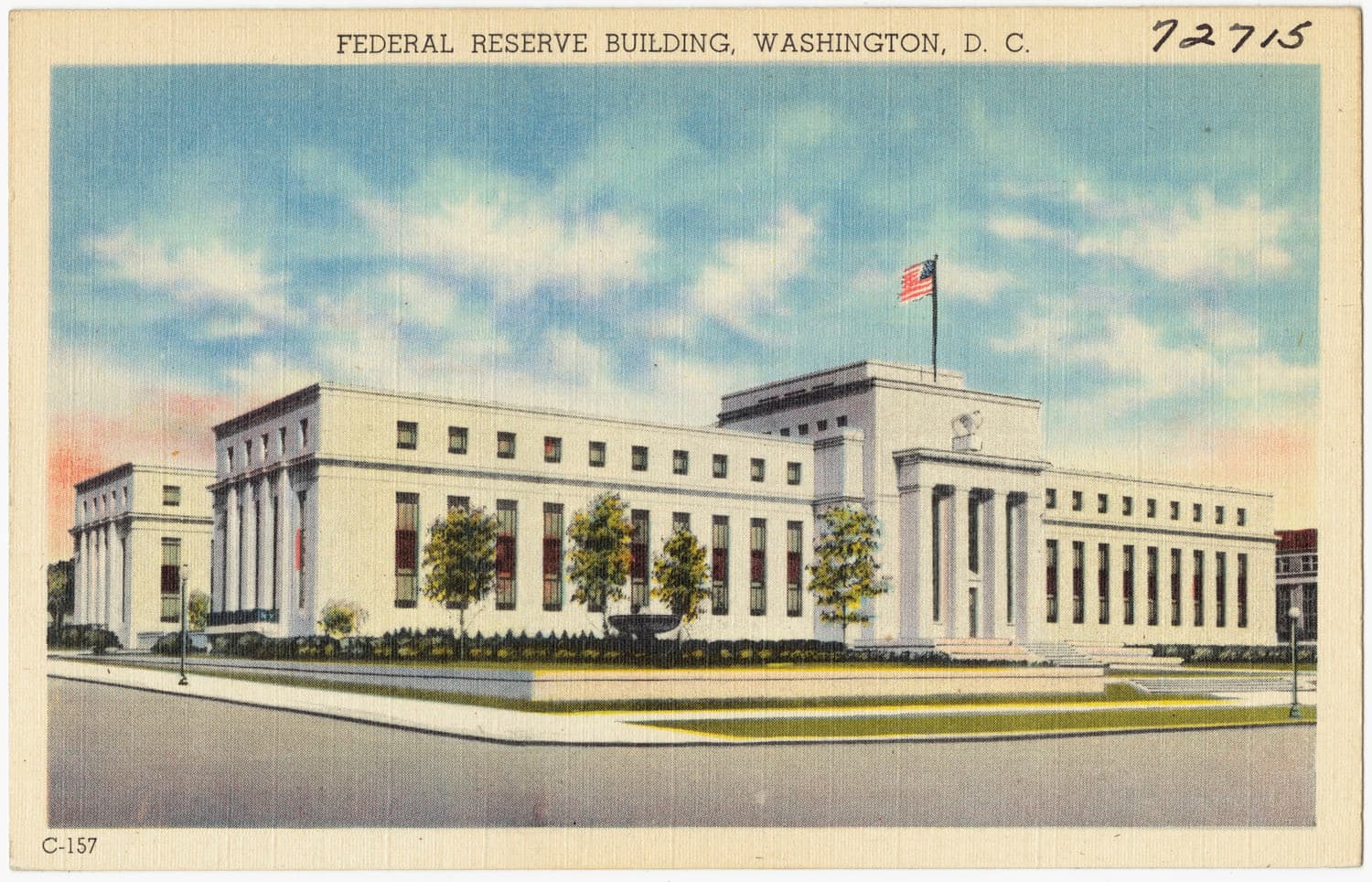
NEW YORK—Recent economic data indicates a notable uptick in energy prices, with gasoline and airfares climbing steadily through March and into April, signaling renewed inflationary pressures across the U.S. economy. This development directly challenges the Federal Reserve's narrative of disinflation, underscoring the volatility inherent in commodity markets and their impact on broader price stability. The persistent rise in these key components of the Consumer Price Index points to a more entrenched inflation problem than many market participants had anticipated. This acceleration in energy costs now casts a shadow over the central bank's carefully calibrated path toward monetary policy normalization.
Bond markets reacted swiftly to the emerging inflationary signals, with U.S. Treasury yields moving notably higher across the curve. The benchmark 10-year Treasury yield, a critical barometer for global borrowing costs, jumped as investors priced in a prolonged period of elevated rates. Short-term yields, particularly the two-year Treasury, also experienced upward pressure, reflecting the market's conviction that the Federal Reserve will maintain its restrictive stance for longer than previously forecast. Equity markets showed a mixed response, with the S&P 500 closing at 6,817, down 0.1 percent, and the Dow Jones Industrial Average falling 0.6 percent to 47,917, while the Nasdaq Composite managed a 0.4 percent gain to 22,903, likely buoyed by tech sector strength. The U.S. Dollar Index strengthened, reflecting a flight to safety and the expectation of higher comparative yields.
Energy price shocks have been a significant catalyst for inflationary cycles, often leading to second-round effects that permeate core inflation metrics. The current environment echoes periods like the mid-2000s, where robust global demand and supply constraints in the oil market fueled sustained price increases, forcing central banks into aggressive tightening cycles. Unlike the initial post-pandemic supply-chain disruptions, which were largely transient, energy-driven inflation can be particularly sticky due to its impact on transportation, manufacturing and consumer spending power. This historical context suggests that the Federal Reserve faces a formidable challenge in anchoring inflation expectations without stifling economic growth, a delicate balancing act that has proven difficult in past cycles.
Federal Reserve Chair Jerome Powell and the Federal Open Market Committee now face a more complex landscape as they assess the appropriate trajectory for monetary policy. The renewed upward pressure from energy prices makes the Fed's dual mandate of maximum employment and price stability considerably more challenging, pushing back the market's timeline for potential rate cuts. Policymakers have consistently emphasized their data-dependent approach, closely scrutinizing not only headline inflation but also core Personal Consumption Expenditures, which strips out volatile food and energy components. However, even core metrics are not entirely immune to persistent energy inflation, as higher transportation costs eventually feed into the prices of goods and services, forcing the Fed to remain vigilant and potentially more hawkish than anticipated.
From a fixed income perspective, the implications of rising energy prices and persistent inflation are significant, primarily manifesting through yield curve dynamics and duration risk. If the market perceives a greater chance of the Fed needing to hike further or hold rates higher for an extended period, the front end of the yield curve will experience disproportionate upward pressure, potentially leading to flattening or even inversion if long-term growth expectations deteriorate. Credit spreads could widen if economic growth concerns emerge alongside higher funding costs, impacting corporate bond valuations. Investors holding longer-duration assets, such as 30-year Treasury bonds or long-dated corporate debt, face increased duration risk as rising yields erode bond prices, necessitating active portfolio management to mitigate potential capital losses.
Cross-asset implications are broad and immediate. In equities, higher discount rates driven by rising bond yields typically weigh on growth-oriented sectors, particularly technology companies like Nvidia, trading at $188.63, or Tesla, at $348.95, whose valuations are more sensitive to future earnings projections. Value stocks and sectors with strong pricing power may fare better in an inflationary environment. In the cryptocurrency space, Bitcoin, currently priced at $73,379, and Ethereum, at $2,297, often react to macro sentiment. While some view them as inflation hedges, they can also be treated as risk assets, making them vulnerable to sustained rate hikes and a risk-off environment, as evidenced by the Crypto Fear & Greed Index registering 15, indicating extreme fear. Commodities, beyond energy, could also see increased demand as investors seek tangible assets to hedge against currency debasement.
Market participants will keenly watch upcoming data releases, particularly the next Consumer Price Index and Personal Consumption Expenditures reports, for further evidence of inflationary trends. The Federal Reserve's next policy meeting and accompanying economic projections will provide critical guidance on their assessment of the inflation outlook and future rate path. Geopolitical developments, especially those impacting oil-producing regions and global supply chains, remain a significant wildcard that could further exacerbate energy price volatility. Investors should also monitor central bank actions from the European Central Bank and Bank of Japan, as global monetary policy divergence could introduce additional complexity and volatility into currency and bond markets.
The recent surge in gasoline and airfare prices serves as a stark reminder that inflation, particularly its energy component, is far from vanquished. The bond market's immediate reaction, characterized by rising yields and increased volatility, underscores the market's repricing of a "higher for longer" interest rate regime. Investors must prepare for a protracted period of monetary restrictiveness, with the Federal Reserve likely to err on the side of caution to ensure inflation is definitively brought back to its two percent target. Active management, a focus on shorter-duration assets and a keen eye on credit quality will be paramount in navigating the turbulent waters ahead, as the path to lower rates appears increasingly distant and fraught with macroeconomic challenges.