NEW YORK — The Bureau of Labor Statistics delivered a sobering message to markets this week, with March Consumer Price Index data revealing inflation remains stubbornly entrenched, exceeding consensus estimates across core and headline measures. This latest print, arriving well above the Federal Reserve's 2 percent target, has fundamentally recalibrated market expectations for the central bank's policy path, pushing out the anticipated timing of rate cuts deeper into the year. The persistent upward pressure on prices, particularly within the services sector and shelter components, signals that the final mile in the Fed's disinflationary journey is proving far more challenging and protracted than many economists and policymakers had initially hoped. This data point underscores the economic reality that the path to stable, target-level inflation is fraught with obstacles, demanding continued vigilance from monetary authorities. The bond market, ever sensitive to inflation signals, immediately digested these implications, bracing for a sustained period of restrictive policy.
U.S. Treasury yields surged across the curve following the hotter-than-expected inflation report, reflecting a swift and decisive repricing of interest rate probabilities. The 2-year Treasury yield, a bellwether for near-term Federal Reserve policy, saw a sharp upward move, indicating an immediate shift in the market's expectation for the number and timing of rate reductions this year. Concurrently, the benchmark 10-year Treasury yield experienced significant upward pressure, breaching key technical levels as investors adjusted to the prospect of higher-for-longer borrowing costs for the broader economy. This yield escalation bolstered the Dollar Index, which strengthened considerably against a basket of major currencies, as widening rate differentials made dollar-denominated assets more attractive. Despite the tightening financial conditions implied by rising yields, equity markets exhibited surprising resilience, with the S&P 500 closing up 1.2 percent at 6,967 and the Nasdaq Composite advancing a robust 2 percent to 23,639, suggesting a narrative of underlying economic strength and robust corporate earnings may be temporarily overshadowing rate concerns for stock investors.
This current period of entrenched inflation, while not mirroring the demand-side overheating of the late 1970s, certainly echoes the challenges faced by previous Federal Reserve chairs in wrestling price pressures back under control. The market's current struggle to accurately forecast the Fed's terminal rate and the timing of its pivot draws stark parallels to the volatile periods of the early 2000s, where policymakers grappled with the aftermath of technological bubbles and geopolitical shocks. Unlike the largely benign inflation environment that characterized the post-2008 financial crisis era, where central banks struggled to generate any meaningful price growth, the present cycle demands a far more proactive and vigilant approach from monetary authorities. The rapid re-pricing of rate expectations observed in the bond market reflects a collective memory of previous false dawns on inflation, where premature declarations of victory led to subsequent price surges, reinforcing a cautious stance among institutional investors. This historical lens emphasizes the difficulty in engineering a soft landing while simultaneously combating persistent inflationary forces.
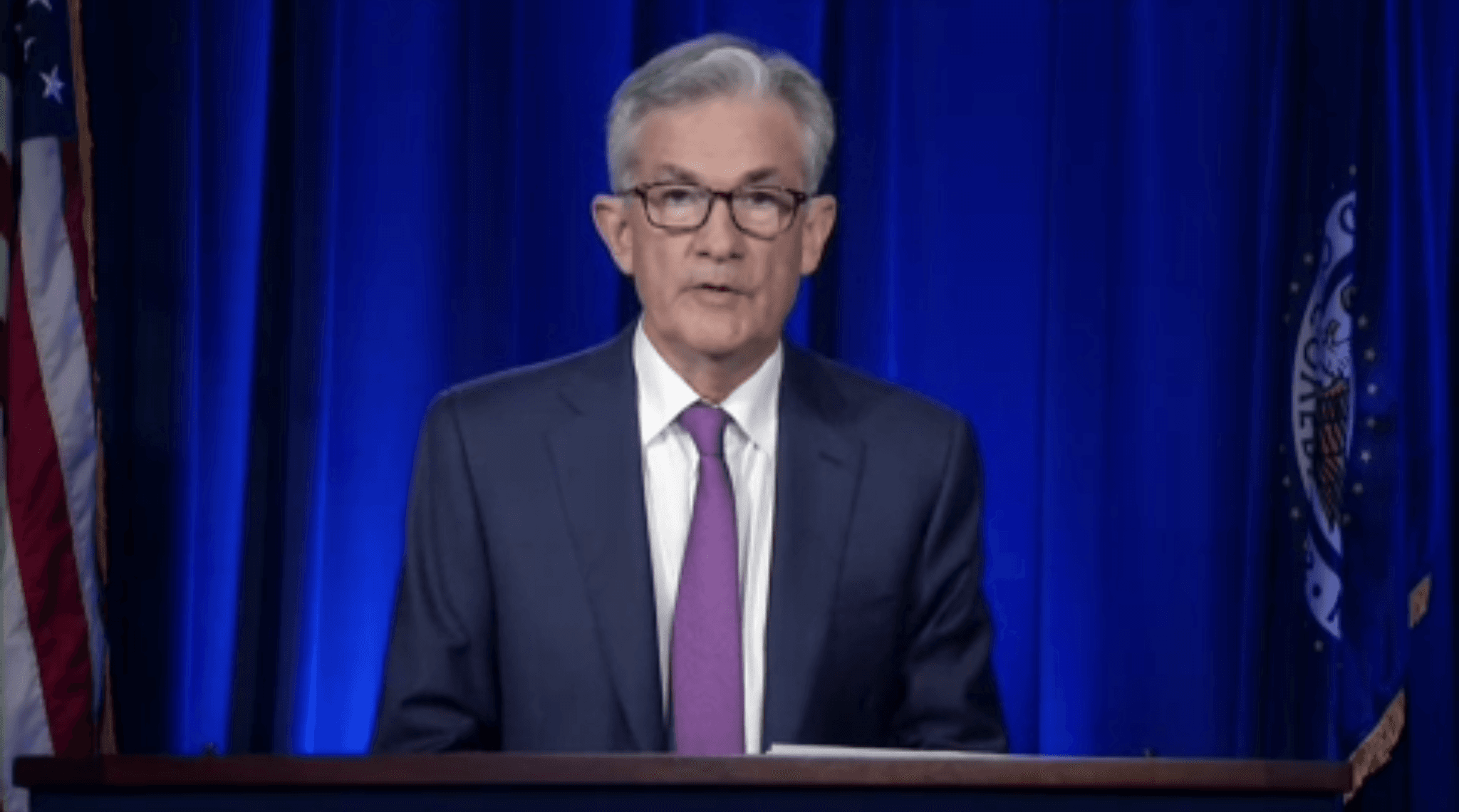
Federal Reserve Chair Jerome Powell has consistently reiterated the central bank's unwavering commitment to achieving its mandated 2 percent inflation target, emphasizing that the job is not done until price stability is firmly established. The latest CPI data unequivocally reinforces the Fed's cautious wait-and-see stance, signaling that any premature declarations of victory or aggressive rate cuts would risk reigniting inflationary pressures, potentially undoing months of hard-won progress. While President Donald Trump's administration has, at times, expressed a desire for economic stability and growth, the Federal Reserve operates with a critical degree of independence, focusing squarely on its dual mandate of maximum employment and price stability, free from direct political influence. The central bank's forward guidance, likely to be reinforced in upcoming speeches and meeting minutes, will undoubtedly emphasize continued data dependency and a patient approach, effectively pushing back against any market narrative that anticipates aggressive or imminent rate reductions in the face of sticky inflation.
From a fixed-income perspective, the yield curve, particularly the spread between the 2-year and 10-year Treasury notes, continues to reflect a complex interplay of market uncertainty regarding long-term growth prospects versus the immediate impact of short-term policy. While the outright inversion that characterized much of the prior year has lessened, the curve remains flatter than historical norms, indicating either lingering recessionary concerns or a firm belief in the Federal Reserve's eventual success in bringing inflation down, albeit with a higher terminal rate. Spread compression in investment-grade credit markets, where corporate bond yields have tightened relative to Treasuries, suggests a continued robust hunt for yield amid generally healthy corporate fundamentals and strong balance sheets. However, sustained higher Treasury rates could challenge this trend, potentially leading to a widening of spreads as borrowing costs for corporations increase. Duration risk remains a paramount concern for institutional fixed-income portfolios, as longer-dated bonds bear the brunt of rising interest rate expectations, forcing active managers to rigorously re-evaluate portfolio hedges and consider shorter duration strategies to mitigate potential capital losses.
The implications of sustained higher rates reverberate across all major asset classes, creating a bifurcated market environment. For equities, the market appears to be distinguishing between sectors: high-growth technology names like Nvidia, which rallied 3.8 percent to $196.51, and Meta Platforms, surging 4.4 percent to $662.49, continue to demonstrate robust performance, often driven by strong earnings reports and compelling artificial intelligence narratives. However, the prospect of elevated discount rates from higher Treasury yields poses a significant theoretical headwind to future valuations, particularly for companies whose cash flows are projected far into the future. In the burgeoning digital asset space, Bitcoin rallied 1.3 percent to $74,277, and Ethereum gained 2.7 percent to $2,324, showcasing surprising resilience despite the current Extreme Fear reading of 21 on the Crypto Fear & Greed Index, which could be interpreted as a flight to alternative assets or simply independent market dynamics driven by specific crypto catalysts like ongoing ETF inflows. Meanwhile, the strengthening U.S. dollar, bolstered by widening yield differentials, presents a notable headwind for commodity prices, which are typically priced in the greenback, and creates additional pressure for emerging market currencies battling capital outflows.
Looking ahead, all market participants will direct their attention to upcoming economic indicators, with particular scrutiny on the April jobs report, which provides critical insights into labor market tightness, and the next Personal Consumption Expenditures inflation data, the Federal Reserve's preferred measure of price pressures. The Federal Open Market Committee's next meeting minutes and subsequent press conference will be meticulously scrutinized for any subtle shifts in language or adjustments to the dot plot projections, though significant policy pivots appear increasingly unlikely in the immediate term given the current inflationary backdrop. Furthermore, geopolitical developments, particularly ongoing tensions in Eastern Europe and the Middle East, continue to pose significant tail risks to global supply chains and, by extension, to inflation expectations, demanding constant monitoring from investors seeking to protect portfolio value. The trajectory of fiscal policy under Trump's administration, especially regarding potential infrastructure spending or tax reforms, will also exert influence on the long end of the yield curve, particularly concerning the supply of U.S. Treasury issuance.
Gokhshtein Media maintains that the bond market's current repricing of interest rate expectations reflects a pragmatic and necessary acknowledgment of persistent inflationary pressures and a Federal Reserve unequivocally committed to achieving its price stability mandate. The era of ultra-low, effectively zero, interest rates is definitively over, compelling institutional investors to adapt swiftly to a new financial landscape where yield, duration management and credit quality are paramount considerations. While specific equity sectors exhibit impressive resilience driven by technological advancements and robust earnings, the overarching macro currents suggest a sustained period of elevated borrowing costs, which will ultimately impact corporate profitability and consumer demand. Navigating this complex and evolving environment requires a deep understanding of yield curve dynamics, an acute awareness of credit spread movements and a disciplined, active approach to risk management, as the Federal Reserve's protracted fight against inflation continues to shape global capital markets.