The burgeoning global trade in illicit tobacco has transitioned from a public health concern to a significant macroeconomic irritant, effectively creating a shadow economy that drains national treasuries and complicates central bank policy directives. This untaxed market, now a core revenue stream for organized crime syndicates, represents a substantial leakage from official economic activity, impacting government revenues and potentially distorting inflation metrics. Authorities estimate billions in lost tax receipts annually, a fiscal hole that widens budget deficits and strains public finances across developed and emerging markets alike. The true scale of this underground economy remains difficult to quantify, yet its growing influence forces policymakers to confront an increasingly complex economic landscape.
Fixed income markets are beginning to factor in the long-term implications of this fiscal erosion, with sovereign bond yields reflecting an underlying concern about structural revenue shortfalls. While not a direct catalyst for daily market swings, the persistent drain on government funds adds a layer of duration risk to long-dated government debt, particularly in nations with already strained balance sheets. The U.S. Dollar Index could find additional support as capital flows towards perceived fiscal strength, even as global equities like the S&P 500 rally to $7,023 and the Nasdaq surges to $24,016. Gold, a traditional safe haven, also finds underlying bids from investors seeking refuge from potential fiscal instability.
Historically, periods of significant illicit economic activity, from prohibition-era alcohol to the modern-day narcotics trade, have consistently demonstrated their capacity to warp economic data and challenge government authority. The current surge in illicit tobacco trade echoes these past episodes, presenting similar structural issues for fiscal policy and economic measurement. Unlike traditional black markets for highly restricted goods, tobacco's legal status in many regions, coupled with high excise taxes, creates a powerful arbitrage opportunity for criminal enterprises. This dynamic parallels the challenges faced by nations grappling with widespread tax evasion, where the official economy's health is merely a partial reflection of total economic output, thereby complicating policy responses designed for a transparent system.
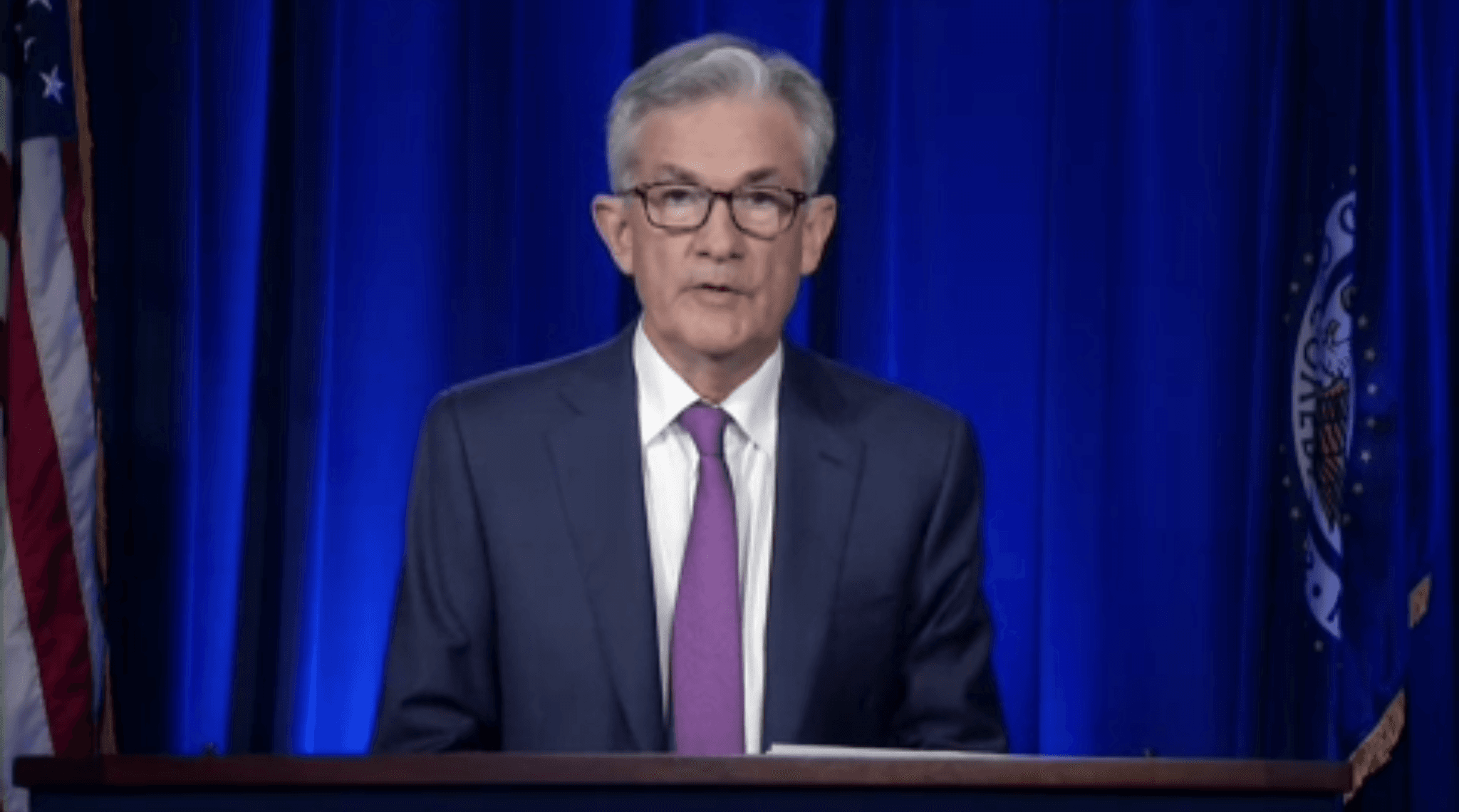
From the perspective of major central banks, including the Federal Reserve under Chair Jerome Powell and the European Central Bank, the expansion of a significant shadow economy presents a formidable challenge to their dual mandates of price stability and maximum employment. Unrecorded economic activity means official inflation statistics may not fully capture true pricing dynamics, especially if illicit goods are priced significantly below taxed alternatives, creating a downward bias in some consumer baskets. Moreover, the erosion of government revenue due to lost taxes directly impacts fiscal health, potentially leading to increased sovereign borrowing or austerity measures, both of which have direct implications for interest rate policy and economic growth projections. Central bankers must now contend with an economic model where a substantial portion of consumption and income operates outside their purview, making accurate forecasting and effective policy calibration increasingly difficult.
For fixed income portfolio managers, the proliferation of illicit trade introduces a nuanced layer of sovereign credit risk and complicates traditional duration hedging strategies. As governments face persistent revenue shortfalls, the risk premium demanded by investors for holding longer-dated sovereign bonds can expand, steepening yield curves even in the absence of explicit monetary policy tightening. This phenomenon is particularly acute in emerging markets, where fiscal buffers are often thinner, but developed nations are not immune. Credit spreads on government-backed entities or even corporate bonds reliant on consumer spending could widen if the underlying tax base erodes significantly. Managing duration risk becomes more complex when the fundamental strength of the sovereign balance sheet is compromised by an untaxed economic segment that is difficult to quantify and even harder to reclaim.
The implications extend beyond fixed income, permeating across various asset classes. In equities, consumer staples companies, especially those in the legitimate tobacco sector, face direct competition from untaxed alternatives, potentially impacting their revenue outlook and stock valuations. This can create headwinds for major players, shifting investment capital towards sectors less exposed to these black market dynamics. For example, while technology giants like Apple at $266.43 and Microsoft at $411.22 continue to exhibit robust performance, sectors tied to traditional consumer goods may see muted growth. In the cryptocurrency space, assets like Bitcoin, trading at $74,995, and Ethereum, at $2,365, though established as legitimate investment vehicles since their spot ETF approvals, also face scrutiny as potential conduits for illicit finance, raising regulatory concerns that could impact broader market sentiment. Commodities, often used as stores of value or payment in illicit transactions, may see demand shifts, albeit difficult to trace directly.
Looking ahead, governments and international bodies face immense pressure to develop coordinated strategies to combat the illicit tobacco trade effectively. This will likely involve a combination of enhanced border controls, stricter enforcement against organized crime, and potentially a re-evaluation of excise tax policies to reduce the arbitrage incentive. The success or failure of these initiatives will be closely watched by bond investors, as they will directly impact future government revenue projections and sovereign credit ratings. Upcoming fiscal reports and central bank minutes will be scrutinized for any commentary regarding the economic impact of shadow economies and the proposed policy responses. The scenario where governments fail to curb this illicit activity points to sustained fiscal pressure and ongoing challenges for monetary authorities.
The bottom line for Gokhshtein Media is clear: the rise of illicit tobacco as an organized crime cash cow is not merely a niche legal issue; it is a profound macroeconomic challenge that demands attention from every corner of the financial world. It represents a systemic leakage that undermines fiscal stability, complicates the crucial work of central banks in managing inflation and growth, and introduces new vectors of risk for fixed income and equity investors. Until governments can effectively stem this tide, the true health of national economies will remain obscured, and the path for monetary policy will be fraught with additional uncertainty, pushing investors towards assets that offer genuine resilience against fiscal erosion and economic opacity.