Expectations for President Donald Trump's second term fiscal and trade policies are now firmly embedded in market pricing, signaling a potential return to supply-side inflation pressures and elevated geopolitical risk premiums. The market anticipates significant tax cuts and increased infrastructure spending, coupled with a more aggressive stance on global trade, including potential new tariffs. These policy thrusts, rooted in an "America First" economic doctrine, represent a substantial shift in the macroeconomic landscape, compelling fixed income investors to recalibrate their duration exposure and inflation hedges. The implications span from U.S. Treasury auctions to the cost of capital for corporations globally, forcing a reevaluation of traditional investment paradigms.
Bond markets have already begun to telegraph this policy shift, with the long end of the U.S. Treasury curve experiencing upward pressure as investors price in higher future inflation and increased government borrowing. While short-term rates remain anchored by the Federal Reserve's cautious stance, the spread between two-year and ten-year Treasuries has shown signs of steepening, reflecting divergent views on near-term monetary policy versus long-term economic trajectory. The U.S. Dollar Index has exhibited volatility, reacting to both the potential for domestic growth stimulus and the uncertainty generated by trade disputes. Equity futures have shown a mixed reaction, with sectors poised to benefit from deregulation and domestic spending seeing upside, while global export-oriented companies face headwinds. Gold, traditionally a hedge against inflation and instability, has seen renewed interest, reflecting heightened geopolitical tensions and currency debasement concerns.
Historically, periods of aggressive fiscal expansion, particularly when paired with protectionist trade policies, have often led to inflationary surges and increased bond market volatility. President Trump's first term offered a glimpse into these dynamics, with tax cuts stimulating growth and trade tensions creating supply chain disruptions. This current environment, however, presents a more mature cycle with potentially fewer slack resources, amplifying the inflationary impulse. The lessons from the late 1970s and early 1980s, where fiscal policy collided with monetary tightening, serve as a stark reminder of the potential for sustained high interest rates and significant duration risk. Investors are keenly aware that the long-term implications of these policies could challenge the disinflationary trends that have characterized much of the past two decades.
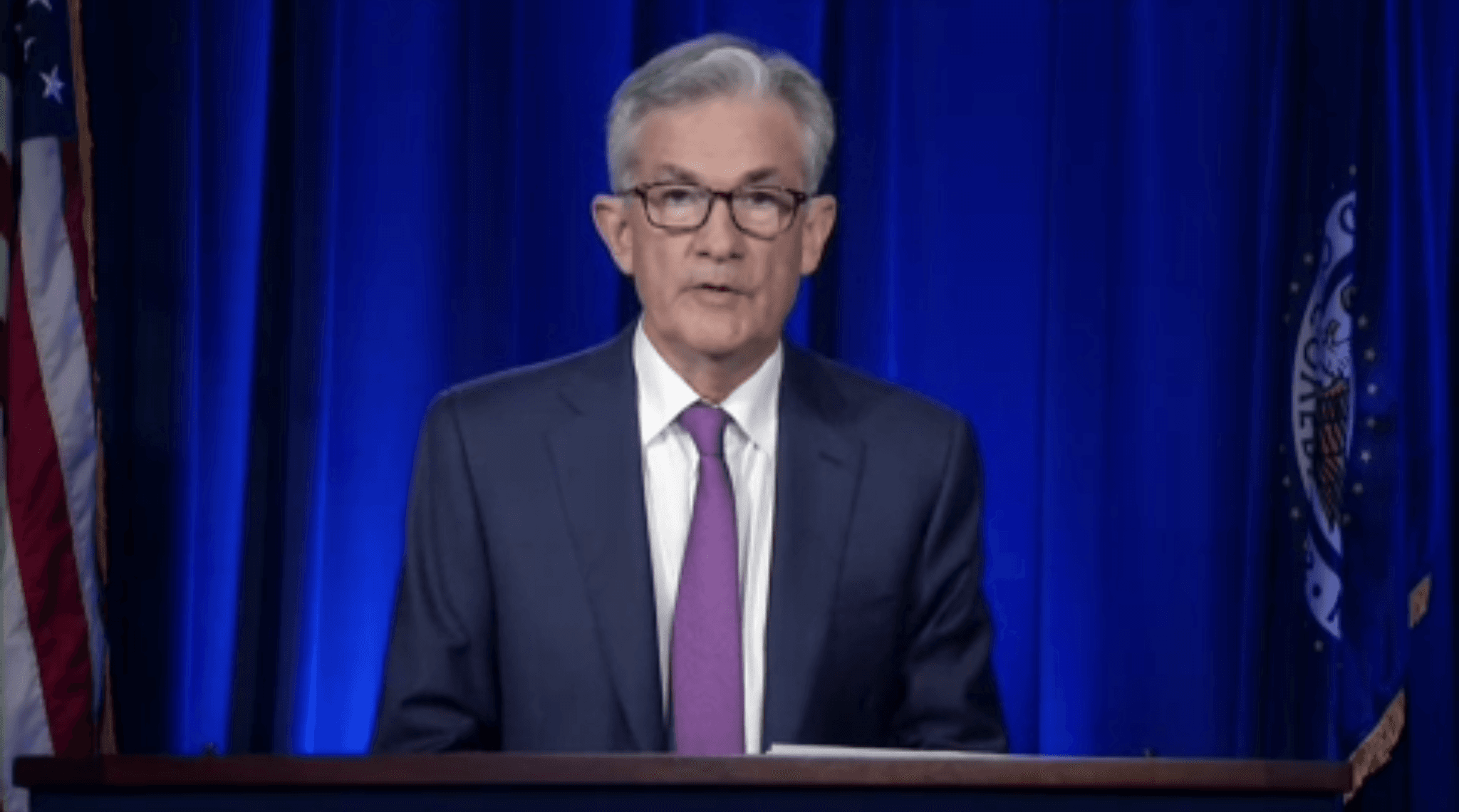
From a central bank perspective, the Federal Reserve, under Chair Jerome Powell, faces a formidable challenge in navigating this policy-driven inflation risk. Increased fiscal spending and tariffs could push Consumer Price Index readings persistently higher, forcing the Fed to maintain a hawkish bias for longer than initially anticipated. This would put upward pressure on the Fed Funds Rate, potentially leading to a higher terminal rate than current market pricing suggests. Similarly, the European Central Bank and the Bank of Japan would face spillover effects from a stronger dollar, global trade reconfigurations, and imported inflation, complicating their own domestic monetary policy decisions. The prospect of central banks being forced to react to exogenous fiscal and trade shocks introduces a layer of unpredictability not seen in recent cycles.
In the fixed income space, the anticipated policy mix fundamentally alters the risk-reward calculus. A steepening yield curve implies greater compensation for longer duration exposure, but also exposes bondholders to significant capital depreciation if long-term yields continue to climb. Credit spreads may exhibit compression in sectors benefiting from domestic stimulus, such as infrastructure and defense, yet widen dramatically in industries vulnerable to trade wars and supply chain fragmentation. Municipal bonds, particularly those tied to federal projects, could see increased demand, while corporate bonds in export-heavy sectors might struggle. The overarching theme is one of heightened duration risk, as the traditional safe haven status of long-dated government bonds comes under scrutiny amidst a potential return to higher nominal growth and inflation.
Cross-asset implications are profound and far-reaching. Equities will likely see a rotation, favoring domestic-focused companies and those with strong pricing power, while multinational corporations face profit margin compression from tariffs and supply chain disruptions. In the digital asset space, Bitcoin, trading at $74,066, continues to be viewed by some as a hedge against fiat currency debasement and geopolitical uncertainty, aligning with its "digital gold" narrative. Ethereum, priced at $2,327, and other altcoins like Solana at $83.59 and XRP at $1.37, will navigate this environment based on their individual utility and adoption trajectories, though broader market risk sentiment, currently at Extreme Fear with the Crypto Fear & Greed Index at 23, will be a significant determinant. Commodities, especially industrial metals and energy, could see price volatility driven by supply chain shifts and demand fluctuations related to global trade dynamics.
Looking ahead, market participants will closely monitor several key indicators. Upcoming inflation data releases, particularly core Personal Consumption Expenditures and Consumer Price Index reports, will be scrutinized for persistent price pressures. Any official announcements regarding new tariff implementations or details on proposed tax cuts and spending programs will trigger immediate market reactions. Speeches from Federal Reserve officials, especially Chair Powell, will be critical in discerning the central bank's evolving reaction function to these fiscal and trade policies. The market will also watch for any signs of global retaliatory measures to U.S. trade actions, which could further escalate geopolitical tensions and economic uncertainty.
The bottom line for Gokhshtein Media is clear: President Trump's second term promises a macro environment defined by policy-driven volatility and a fundamental re-pricing of risk across asset classes. Fixed income investors, in particular, must navigate a landscape where duration risk is elevated, yield curves are subject to steepening pressures, and inflation expectations are firmly on the rise. The era of persistently low inflation and accommodative monetary policy is giving way to a more complex, politically charged economic reality, demanding active management and a keen understanding of the interplay between fiscal policy, trade, and central bank reaction functions. This is not a market for the faint of heart; it requires conviction and a deep appreciation for historical precedents in rate cycles.