Lithuania and Estonia have expressed concerns that the United States may face delays in fulfilling military deliveries, attributing the potential slowdown to the ongoing conflict in Iran. This development immediately signals heightened geopolitical instability and casts a long shadow over global supply chains, particularly those critical to defense. Such a re-prioritization of U.S. defense resources would inevitably impact Washington's fiscal bandwidth and necessitate a re-evaluation of its existing commitments. For fixed-income markets, this translates into an immediate increase in the perceived risk premium on U.S. sovereign debt, as the potential for unforeseen expenditures rises. The implicit message is clear: global security dynamics are shifting, and the financial ramifications will be substantial.
The bond market's initial reaction reflected a flight to quality for core U.S. Treasuries on the short end, but a notable uptick in longer-dated yields suggested underlying concerns about fiscal sustainability. The ten-year U.S. Treasury yield, already under pressure from persistent inflation anxieties, saw a modest rise as investors priced in increased government borrowing to fund potential defense escalations. Concurrently, the U.S. Dollar Index (DXY) firmed against a basket of major currencies, reinforcing its role as a global safe haven amidst geopolitical turmoil. Equity markets, while initially resilient with the S&P 500 closing at $7,144 and the Nasdaq at $24,501, showed sector-specific divergence, with defense contractors potentially benefiting while broader industrial sectors faced supply chain uncertainty. Gold prices, a traditional hedge against instability, also registered an uptick, indicating a clear shift towards risk-off sentiment across institutional portfolios.
This current geopolitical flashpoint draws parallels to previous periods of elevated global tension, such as the initial phases of the Ukraine war or the Gulf conflicts, where defense spending surges reshaped sovereign debt markets. In those instances, the fiscal burden of prolonged military engagements often led to increased Treasury issuance, exerting upward pressure on yields across the curve. However, the current environment is distinct, characterized by already elevated U.S. national debt levels and a Federal Reserve navigating a complex disinflationary path. Unlike past cycles where the U.S. enjoyed greater fiscal flexibility, today's geopolitical shocks are absorbed by a market already grappling with significant duration risk and a high interest rate environment. The market's capacity to absorb additional government borrowing without significant yield repricing is considerably diminished compared to previous decades.
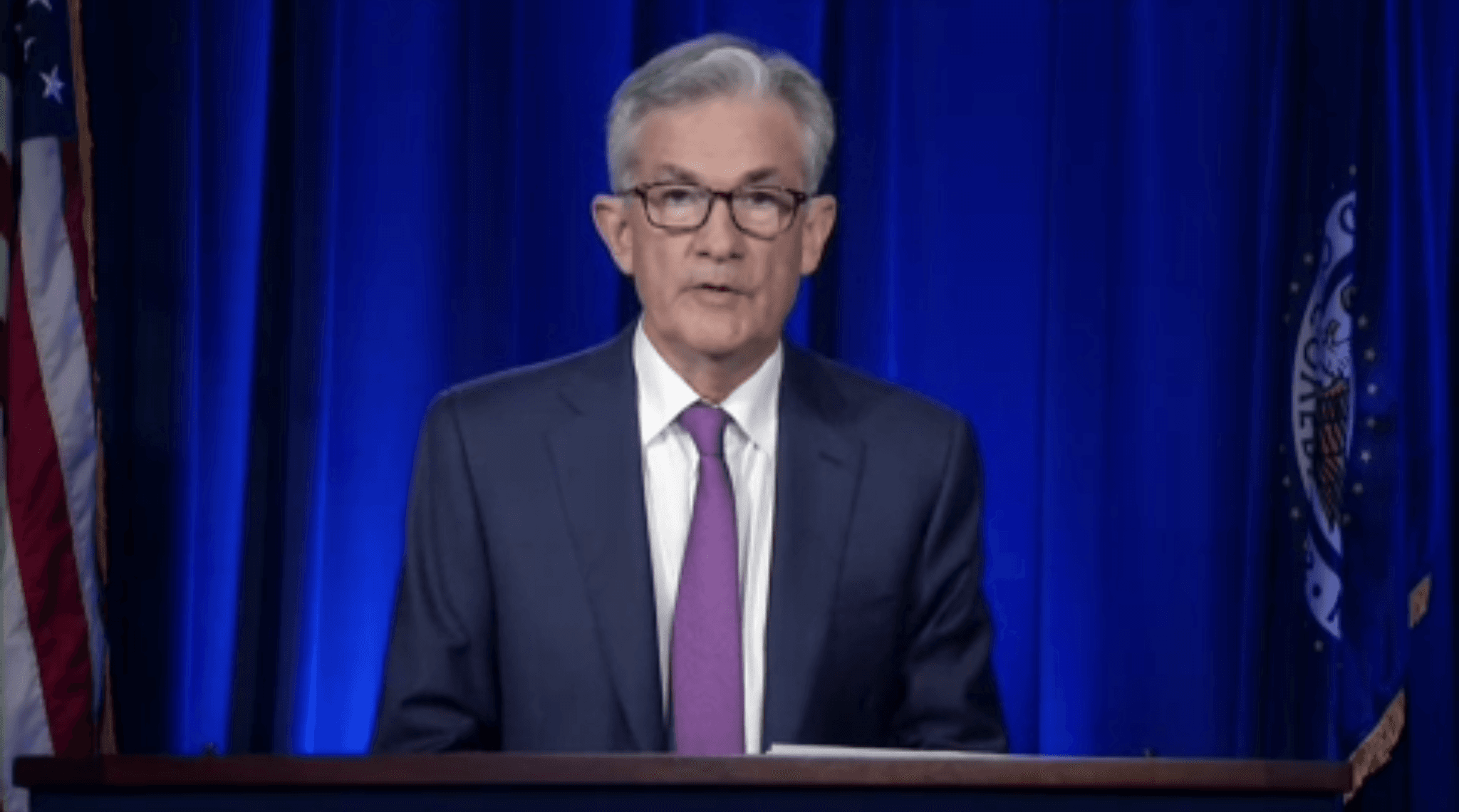
Federal Reserve Chair Jerome Powell has consistently emphasized data dependency, but geopolitical instability introduces an unpredictable variable into the monetary policy calculus. An escalation or prolonged conflict could either fuel inflationary pressures through commodity price spikes and supply chain disruptions, or conversely, trigger a significant flight to safety that strengthens the dollar and dampens demand. While the Fed's primary mandate remains price stability and maximum employment, the potential for U.S. military re-prioritization adds a layer of complexity to their forward guidance on interest rates. European Central Bank and Bank of Japan officials will also closely monitor these developments, as a broad-based risk-off environment would inevitably spill over into global liquidity and their respective policy frameworks. The prospect of higher U.S. fiscal deficits due to defense spending could easily push out the timeline for any anticipated rate cuts, globally.
From a fixed-income perspective, the immediate concern revolves around the U.S. Treasury yield curve's future trajectory. While a flight to safety might initially flatten the short end, sustained fiscal outlays for defense could steepen the curve as the market demands higher compensation for holding longer-duration assets. Credit spreads, particularly for corporates with high exposure to global supply chains or those in non-defense industrial sectors, are likely to widen as risk aversion increases across the board. Investment-grade corporate bonds could see their spreads over Treasuries tick up, reflecting increased macroeconomic uncertainty and potential earnings volatility. Portfolio managers holding long-duration assets face amplified duration risk, as even small upward shifts in yields can translate into significant capital losses, necessitating careful rebalancing and hedging strategies in this volatile environment.
The cross-asset implications of this geopolitical development are far-reaching, extending beyond traditional fixed income to equities, cryptocurrencies, and commodities. In equities, the defense sector is poised for potential outperformance, while broader market indices like the Dow Jones at $49,698 and the Russell 2000 at $2,791 could experience volatility as investors digest the implications of global instability. Technology giants like Apple at $270.96 and Microsoft at $427.10 may face headwinds from supply chain disruptions, though their strong balance sheets offer some resilience. Cryptocurrencies, often seen as alternative hedges, are reacting to the broader risk sentiment, with Bitcoin trading at $77,864 and Ethereum at $2,451, reflecting the market's current 'Extreme Fear' as indicated by the Crypto Fear & Greed Index at 21. Commodities, especially oil, are highly sensitive to Middle East tensions, and any escalation could rapidly drive prices higher, feeding into global inflationary pressures.
Looking ahead, market participants will closely monitor any official statements from the United States government regarding military aid and defense spending priorities, as well as further developments in the Iran conflict. The next round of U.S. economic data, particularly inflation readings like CPI and PCE, will be scrutinized for signs of demand destruction or supply-side pressures exacerbated by geopolitical events. Upcoming Federal Reserve meetings will be critical for understanding how policymakers integrate this heightened uncertainty into their economic projections and interest rate path. Scenario analysis suggests a prolonged or escalating conflict could lead to a 'stagflationary' environment, characterized by higher inflation and slower growth, a challenging backdrop for both equity and bond investors. Conversely, a rapid de-escalation could alleviate some fiscal pressures, allowing markets to re-focus on domestic economic fundamentals.
The concerns raised by Lithuania and Estonia underscore a profound shift in global risk dynamics, demanding immediate attention from fixed-income investors. Gokhshtein Media maintains that the U.S. Treasury market faces a complex tug-of-war between safe-haven flows and the reality of potentially expanded fiscal deficits driven by defense re-prioritization. This environment favors a cautious approach to duration, with a preference for shorter-dated instruments and high-quality credit that can withstand increased volatility and widening spreads. The current geopolitical landscape is not merely a transient shock but a structural shift that will likely redefine the cost of capital and the shape of yield curves for the foreseeable future. Investors must remain agile, prepared to navigate a market where geopolitical events increasingly dictate the macroeconomic narrative and the pace of central bank action.