The White House announced today that two senior advisors, Richard Witkoff and Jared Kushner, are currently in Pakistan for critical talks aimed at de-escalating tensions with Iran. This diplomatic initiative, confirmed by President Trump’s administration, immediately injected a significant geopolitical risk premium into global markets, forcing a re-evaluation of energy supply stability and the broader inflationary outlook. Bond traders are now recalibrating duration risk, anticipating potential shifts in central bank policy as the specter of Middle East instability looms larger over the macro landscape. The timing of this high-stakes engagement underscores the administration's concern over regional dynamics and their potential economic fallout, particularly concerning global oil flows. This development represents a direct challenge to the prevailing narrative of gradual disinflation and stable rate policy, demanding immediate attention from institutional investors.
Market participants reacted swiftly to the news, with U.S. Treasury yields experiencing an immediate downward pressure, particularly across the long end of the curve, as a flight to safety commenced. While equity markets showed mixed reactions, the Dow Jones Industrial Average closed at $49,231, down 0.2 percent, reflecting broader caution, while the Nasdaq Composite, at $24,837, managed a 1.6 percent gain, buoyed by tech resilience. Gold prices surged as investors sought traditional safe-haven assets, and the U.S. Dollar Index strengthened against a basket of major currencies, underscoring its role as the ultimate reserve asset in times of global uncertainty. The Russell 2000, representing smaller capitalization companies, ended the day up 0.4 percent at $2,787, suggesting some domestic-focused resilience despite the international headlines. This immediate re-pricing across asset classes indicates the market's sensitivity to geopolitical developments that can disrupt established economic forecasts.
Historically, significant geopolitical events, particularly those involving major oil-producing regions, have consistently triggered pronounced shifts in global fixed-income markets. Past crises have shown a clear pattern of yield curve flattening, where long-term yields fall more sharply than short-term yields, as investors flock to the perceived safety of government bonds, especially U.S. Treasuries. The 1973 oil embargo and the Gulf War in 1990 serve as stark reminders of how quickly energy supply shocks can translate into sustained inflationary pressures and economic slowdowns, forcing central banks into reactive rather than proactive stances. This current situation carries similar echoes, compelling bond managers to scrutinize their duration exposure and assess the potential for unexpected inflation spikes, which could erode the real value of fixed-income portfolios. The current environment, already grappling with persistent inflation, makes any new supply-side shock particularly potent for market stability.
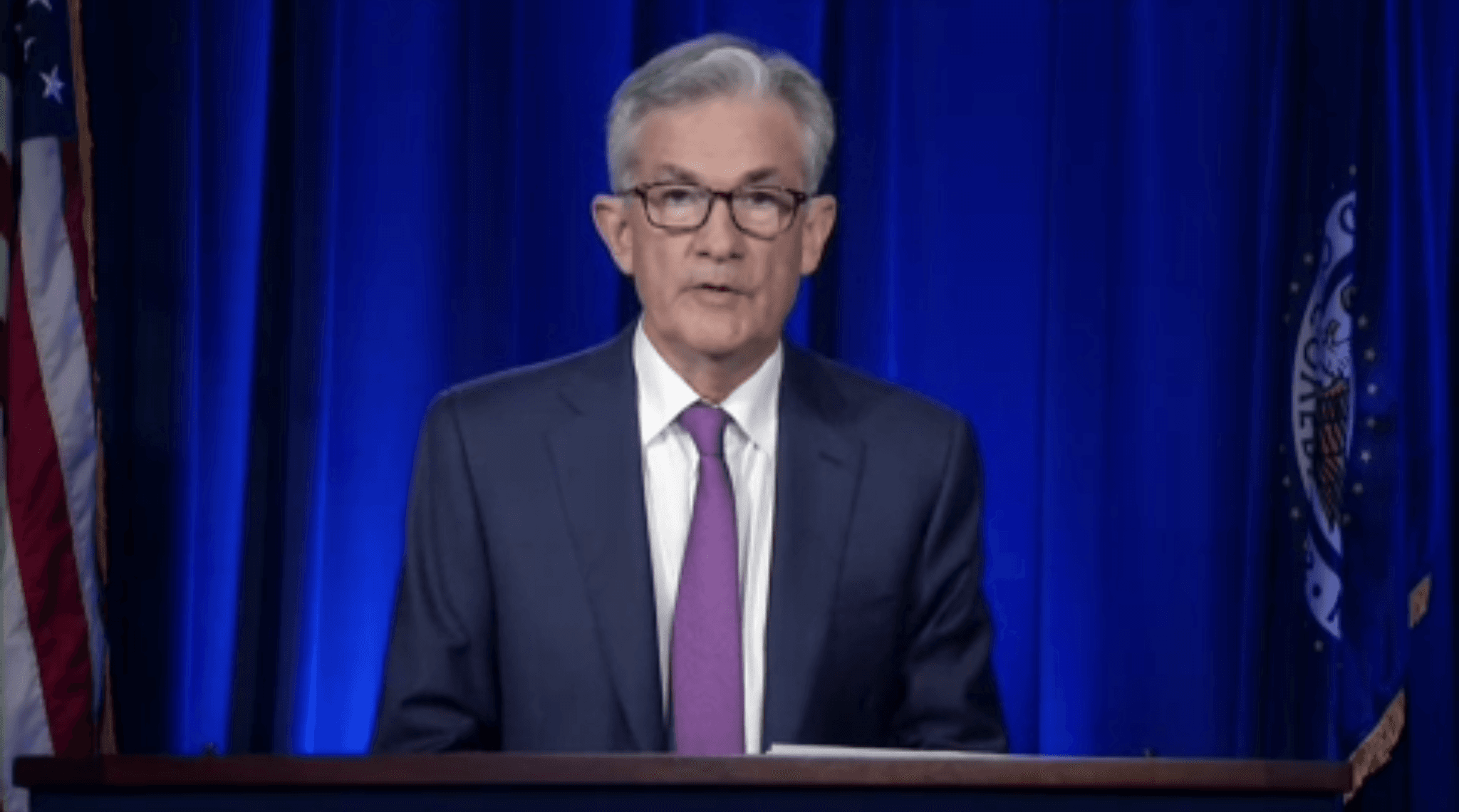
From the Federal Reserve's perspective, this geopolitical development undeniably complicates the path to achieving its dual mandate of maximum employment and price stability. Chair Jerome Powell and the Federal Open Market Committee have been navigating a delicate balance, trying to engineer a soft landing while bringing inflation back to the two percent target. A material escalation of tensions in the Middle East, leading to sustained higher oil prices, would directly fuel headline inflation, potentially forcing the Fed to maintain a restrictive monetary policy for longer than currently anticipated by futures markets. This scenario would challenge the market's expectation for any potential rate cuts later in the year, potentially pushing them further into 2027. Such an exogenous shock could easily derail the Fed's carefully calibrated forward guidance, increasing the risk of policy error and market volatility.
Fixed-income analysis now centers on the implications for the U.S. Treasury yield curve and credit spreads. Increased geopolitical risk typically leads to a bull flattening of the curve, where longer-dated Treasury yields fall more significantly than shorter-dated yields due to safe-haven buying and a downward revision of long-term growth expectations. This dynamic creates significant duration risk for investors holding long-term bonds, as price volatility increases. Furthermore, credit spreads across corporate bonds, especially in riskier high-yield segments, are likely to widen as the market prices in heightened uncertainty and potential economic slowdowns, increasing the cost of borrowing for corporations. Asset managers are actively reassessing their credit exposure and re-allocating capital towards higher-quality, shorter-duration assets to mitigate these emerging risks. The hunt for yield becomes even more challenging in an environment where risk premiums are expanding.
The ramifications extend across the entire cross-asset spectrum. Equities, particularly those sensitive to energy costs or global trade, face renewed headwinds, though large-cap tech companies like NVDA ($208.27, up 4.3 percent), Microsoft ($424.62, up 2.1 percent), and Amazon ($263.99, up 3.5 percent) displayed resilience today. The commodity complex will see immediate upward pressure on crude oil prices, while gold will likely continue its ascent as a traditional hedge against uncertainty and inflation. In the crypto space, Bitcoin, trading at $77,628, and Ethereum, at $2,318, could experience increased volatility. While some proponents argue for their safe-haven properties akin to digital gold, others view them as risk assets that correlate with broader market sentiment, especially with the Crypto Fear & Greed Index already reflecting a sentiment of 31, indicating “Fear.” The approval of Bitcoin spot ETFs in January 2024 and Ethereum spot ETFs in May 2024 has further integrated these assets into the institutional investment landscape, making them susceptible to macro shifts.
Looking ahead, market participants will closely monitor any further White House statements or diplomatic progress emerging from Witkoff and Kushner's mission, as well as responses from Iran and other regional actors. Beyond the immediate geopolitical headlines, upcoming U.S. inflation data, particularly the Consumer Price Index and Producer Price Index releases, will be paramount. Any indication of persistent or accelerating inflation, especially if exacerbated by rising energy costs, will solidify the market's expectation for a prolonged period of higher interest rates. The next Federal Reserve meeting and the accompanying Summary of Economic Projections will provide critical insights into the central bank's updated assessment of the economic outlook and its policy response to this evolving global risk environment. Investors must prepare for a period of heightened sensitivity to both geopolitical and economic data points.
The bottom line for institutional investors is clear: geopolitical risk has forcefully re-asserted itself as a primary driver of market dynamics, temporarily overshadowing traditional economic indicators. The diplomatic efforts in Pakistan signal the U.S. administration's commitment to de-escalation, yet the underlying tensions remain a significant source of uncertainty. Gokhshtein Media anticipates continued volatility in bond markets, with a persistent bias towards yield curve flattening and potential widening of credit spreads as investors demand greater compensation for risk. The Federal Reserve's policy path, already complex, now faces an additional, formidable challenge from potential energy-driven inflation. Prudent portfolio management demands a focus on duration management, credit quality, and strategic allocation to inflation-hedging assets, as the global macro outlook remains inextricably linked to the delicate balance of international relations.