Transportation Secretary Sean Duffy's stark warning to Spirit Airlines passengers, advising them against showing up at airports due to widespread flight cancellations, serves as a potent reminder of persistent supply-side friction within the U.S. economy. While seemingly an isolated operational glitch, such disruptions are symptomatic of deeper macroeconomic challenges, including enduring labor market tightness and supply chain vulnerabilities that continue to exert upward pressure on services inflation. These ongoing operational headwinds complicate the Federal Reserve's efforts to bring inflation sustainably back to its two percent target, suggesting a longer period of restrictive monetary policy may be necessary than many market participants currently anticipate.
The bond market reacted with a subtle but firm shift, reflecting the implications of sticky inflation. Yields across the U.S. Treasury curve edged higher following the broader economic narrative implied by these disruptions, with the benchmark 10-year Treasury note seeing upward pressure, indicating investors are pricing in a prolonged period of elevated rates. The U.S. Dollar Index strengthened marginally as expectations for a sustained hawkish stance from the Federal Reserve gained traction. Equity futures initially wavered, particularly in travel and leisure sectors, before a broader market rebound saw the S&P 500 trading at $7,230 and the Nasdaq at $25,114 by day's close, suggesting a market grappling with contradictory signals of inflation risk and resilient corporate earnings. Gold prices remained relatively stable, acting as a traditional hedge against both inflation and economic uncertainty.
Historically, such widespread service sector disruptions, whether from labor disputes, infrastructure failures, or post-pandemic recovery challenges, have often preceded or accompanied periods of elevated inflation, particularly in the services component. The current environment echoes the post-COVID supply chain bottlenecks that drove goods inflation, now seemingly transposed to the services economy where labor availability and operational efficiency are paramount. Unlike demand-driven inflation that can be tamed by higher rates curbing spending, supply-side friction presents a more intractable problem for central bankers, as monetary policy has limited tools to directly address issues like pilot shortages or aircraft maintenance backlogs. This structural component of inflation makes the Fed's job considerably more challenging, demanding a higher terminal rate for longer to cool aggregate demand sufficiently to offset these persistent supply constraints.
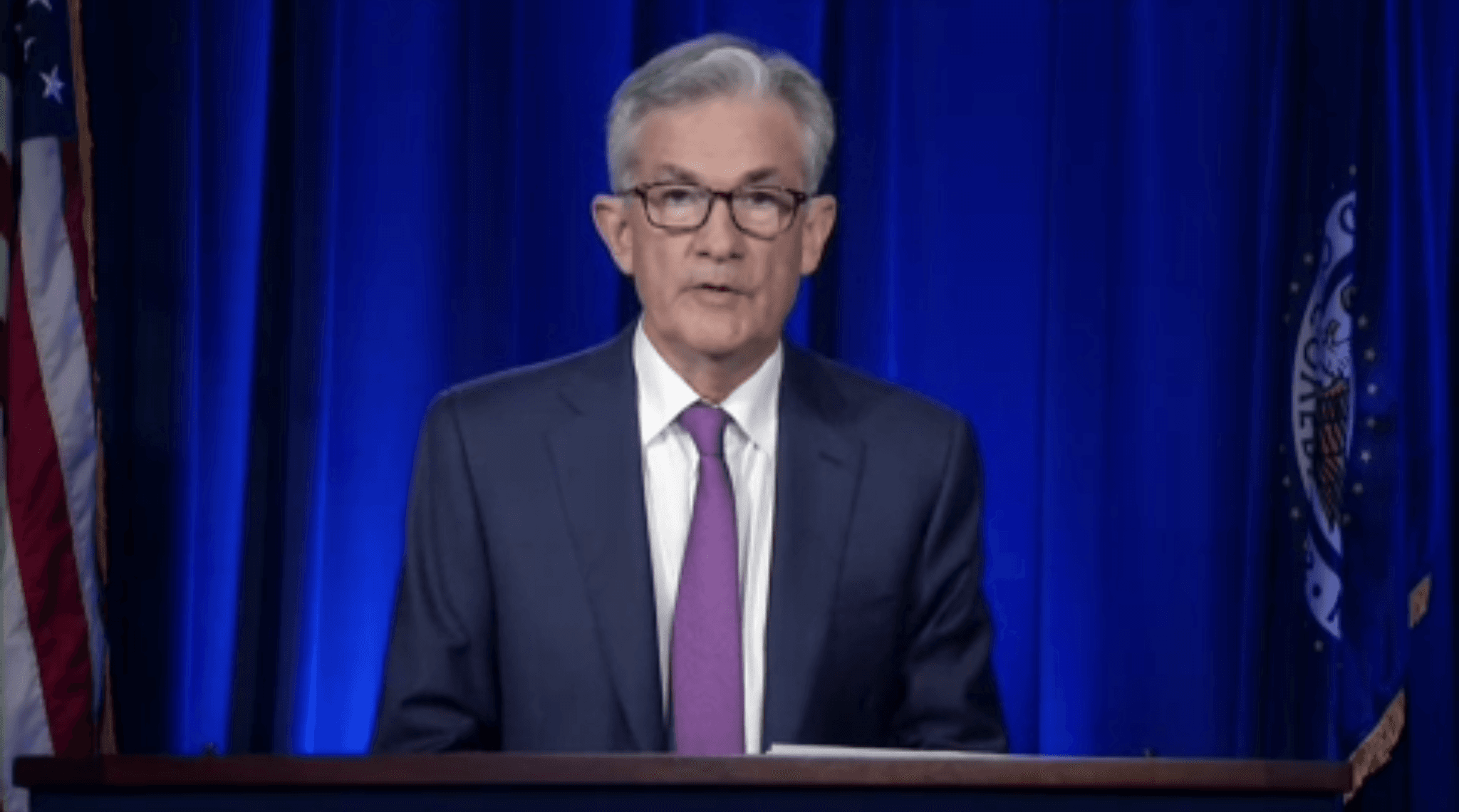
From the Federal Reserve's perspective, led by Chair Jerome Powell, these operational snarls underscore the 'last mile' problem in the fight against inflation. While goods inflation has largely moderated, services inflation — heavily influenced by labor costs and operational efficiencies — remains stubbornly elevated. The central bank has repeatedly emphasized its data-dependent approach, and evidence of continued supply-side constraints feeding into higher service prices provides little impetus for a pivot towards rate cuts. The Fed's forward guidance remains firmly anchored on achieving sustainable price stability, meaning any data point, even one seemingly localized like flight cancellations, that suggests ongoing inflationary pressures will reinforce the committee's resolve to maintain higher rates for an extended period. The market's pricing of future rate moves will continue to recalibrate based on whether these micro-level disruptions translate into broader inflationary trends evident in upcoming CPI and PCE reports.
Fixed income portfolio managers are keenly observing the implications for yield curve shape and duration risk. If these supply-side issues persist and translate into higher for longer interest rates, the yield curve, currently exhibiting a flat to inverted structure in certain segments, may remain stubbornly flat or even re-invert as short-term rates are held high. Credit spreads, particularly for companies in affected sectors like airlines and hospitality, could widen as operational risks and potential revenue hits increase their cost of capital. Furthermore, the prospect of sustained higher rates significantly amplifies duration risk for bond portfolios. Investors holding long-duration assets face greater capital depreciation as interest rates climb, necessitating a tactical reassessment of portfolio construction to mitigate this exposure. Funds are actively de-risking their duration profiles, favoring shorter-dated instruments or employing strategies to reduce sensitivity to interest rate fluctuations.
The cross-asset implications of enduring supply-side inflation are far-reaching. In equities, sectors reliant on efficient logistics and stable labor markets, such as transportation, retail, and manufacturing, face margin compression and increased operational costs. Technology giants like Apple, trading at $280.25, and Microsoft, at $414.19, may show resilience due to strong balance sheets and diversified revenue streams, but their supply chains are not immune to broader economic friction. Conversely, energy commodities could see upward pressure if transportation costs rise or if broader economic activity remains robust despite these bottlenecks. For the crypto markets, Bitcoin, currently at $78,724, and Ethereum, trading at $2,330, often react to macro liquidity conditions. A hawkish Fed stance, driven by persistent inflation, typically translates to tighter liquidity, which historically acts as a headwind for risk assets, though the narrative of crypto as an inflation hedge could provide some counter-support depending on the severity of the inflationary environment.
Looking forward, the market will scrutinize upcoming economic data releases with heightened vigilance. The next Consumer Price Index and Producer Price Index reports will be critical in confirming whether these service sector disruptions are translating into broader price pressures. The May jobs report will provide further insight into labor market tightness, a key driver of services inflation. Moreover, any public comments from Federal Reserve officials or minutes from the upcoming Federal Open Market Committee meeting will be dissected for clues regarding the central bank's evolving assessment of inflation risks and its willingness to maintain a restrictive policy stance. Scenario analysis now increasingly includes the possibility of a 'sticky' inflation regime, where supply-side issues prevent a swift return to the Fed's target, necessitating a longer period of elevated rates.
The bottom line for Gokhshtein Media is clear: the Spirit Airlines cancellations are not merely an airline's problem but a microcosm of the U.S. economy's ongoing struggle with supply-side rigidities. These disruptions reinforce the probability of a higher-for-longer interest rate environment, pushing out the timeline for potential rate cuts and maintaining upward pressure on Treasury yields. Institutional investors must recalibrate their duration exposure and assess credit risk carefully, as the path to disinflation remains fraught with operational challenges that monetary policy alone cannot swiftly resolve. The market's current trajectory suggests a continued focus on inflation persistence, demanding a disciplined and cautious approach to fixed income allocation in the months ahead.