British Prime Prime Minister Keir Starmer's recent meeting with Ukrainian President Volodymyr Zelenskiy in Yerevan, Armenia, ahead of a European Political Community summit, delivered a stark signal to global fixed-income markets, extending far beyond routine diplomatic reaffirmations. The explicit agreement to significantly step up defense-industrial collaboration between the United Kingdom and Ukraine translates directly into an expectation of sustained, substantial fiscal outlays across Western allied nations. This commitment unequivocally indicates that defense spending will remain a formidable component of national budgets for the foreseeable future, exerting enduring upward pressure on aggregate demand and potentially embedding inflationary forces deeper into the economic fabric. For bond investors, this is not merely a geopolitical statement; it serves as a critical forward-looking indicator of future sovereign debt supply and the long-term trajectory of inflation expectations, signaling a potentially higher equilibrium for real rates.
The immediate market reaction, while not punctuated by sharp, sudden moves given the pre-existing geopolitical backdrop, still reflected underlying sensitivities to further fiscal expansion. Longer-dated U.S. Treasury yields, for instance, typically move in anticipation of increased government borrowing and heightened inflation premiums, though today's action was more of a continuation of recent trends rather than a sharp re-pricing. The Dow Jones Industrial Average closed down zero point three percent at $49,499, reflecting a nuanced sentiment where the potential economic stimulus from defense contracts is carefully weighed against the specter of higher interest rates and increased sovereign debt burdens. Gold, a traditional inflation hedge, often sees increased demand in such environments as investors seek protection against currency debasement, while the U.S. dollar index tends to strengthen on geopolitical uncertainty, functioning as a global flight-to-quality asset. European government bond yields, particularly those of nations directly involved in defense production and aid, will likely see their risk premiums adjust upwards over the medium term.
Historically, periods of elevated geopolitical tension and subsequent heightened defense spending, such as during the Cold War era or the immediate aftermath of September eleven, two thousand one, have consistently correlated with a discernible expansion of government debt and, frequently, inflationary pressures. The structural fiscal burden associated with rearmament, military aid, and the modernization of defense capabilities can absorb significant portions of national GDP, often necessitating increased borrowing from capital markets. This phenomenon creates a persistent, structural demand for capital that can put upward pressure on real interest rates, even as central banks diligently attempt to manage price stability. The market vividly remembers the inflationary spirals of the nineteen seventies, partly fueled by geopolitical tensions and associated fiscal expansion, and remains acutely vigilant for any similar patterns emerging from current and prospective commitments. Such historical precedents underscore the long-term implications for sovereign balance sheets and the broader macroeconomic landscape.
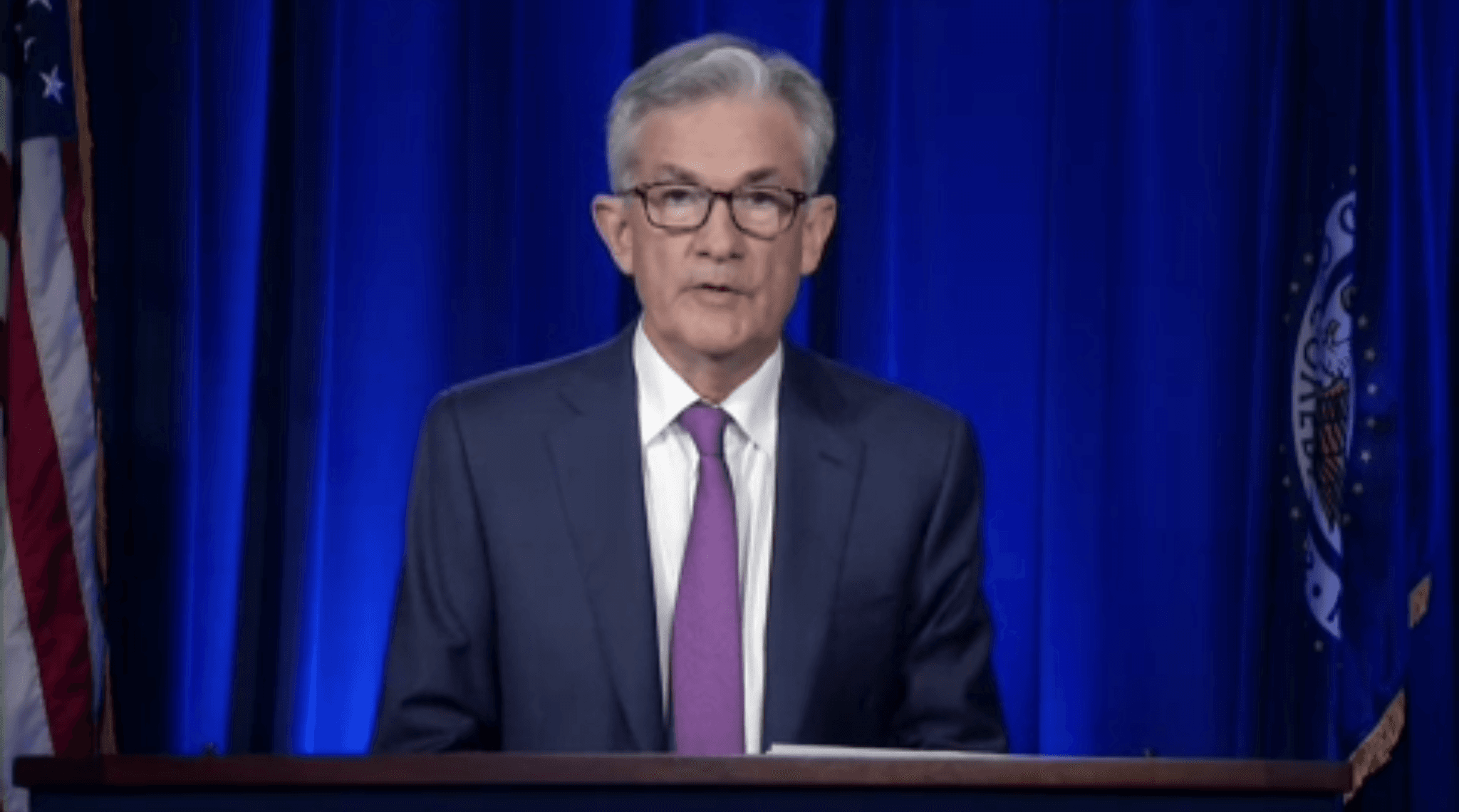
Central banks worldwide, including the Federal Reserve, the European Central Bank, and the Bank of England, must now diligently integrate these persistent geopolitical commitments and their associated fiscal implications into their forward-looking monetary policy frameworks. Federal Reserve Chair Jerome Powell has consistently emphasized a data-dependent approach, but the underlying, sustained fiscal impulse from defense spending presents a unique and formidable challenge to established disinflationary efforts. If government spending continues to fuel aggregate demand and strain supply chains, it could effectively counteract monetary tightening, potentially prolonging the battle against inflation and requiring central banks to maintain higher interest rates for a more extended period than currently priced by some market segments. This creates a complex policy dilemma where perceived national security necessities increasingly collide with monetary mandates for achieving and maintaining price stability.
From a sophisticated fixed-income perspective, the ramifications are undeniably profound and multifaceted. Increased sovereign debt issuance to finance these extensive defense initiatives could lead to a pronounced steepening of the yield curve, particularly at the longer end, as investors demand significantly higher compensation for both duration risk and the anticipated erosion of purchasing power from persistent inflation. The bond market will inevitably price in greater supply volume and a more entrenched inflation premium, challenging the prevailing notion of a 'neutral' interest rate that is lower than current levels. While spread compression in investment-grade credit, particularly for defense contractors and related industries, might occur as these sectors benefit directly from increased government contracts, other sectors could simultaneously face higher borrowing costs due to broader market pressures and competition for capital. Investors holding long-dated U.S. Treasuries and European government bonds confront an elevated duration risk if inflation expectations become unanchored and central banks are forced to prolong restrictive policies.
The ripple effects of these fiscal commitments are poised to extend broadly across all major asset classes, reshaping investment strategies. Equities, while potentially seeing a boost in the defense sector, face the overarching headwind of higher discount rates if sovereign bond yields continue their upward trajectory. Technology stocks, which are particularly sensitive to interest rate expectations due to their long-duration growth profiles, could see valuations pressured despite the Nasdaq's zero point nine percent gain today to $25,114 and individual gains from giants like Apple, up three point three percent to $280.25, and Microsoft, up one point five percent to $414.19. For the burgeoning crypto markets, Bitcoin, currently trading at $78,894, and Ethereum, at $2,329, continue to navigate a dual narrative: as risk-on assets tied to broader market sentiment, but also as potential inflation hedges in an environment characterized by persistent fiat currency debasement and geopolitical uncertainty. Commodities, especially industrial metals and energy, would likely experience sustained demand as defense-industrial collaboration requires vast quantities of raw materials and fuels expanded production capabilities.
Looking forward, market participants will meticulously scrutinize upcoming inflation data, including the next U.S. Consumer Price Index and Producer Price Index releases, for any conclusive signs that these geopolitical spending commitments are indeed translating into measurable and sticky price pressures. Speeches from key central bank officials and the detailed minutes from their next policy meetings will be parsed with extreme precision for any subtle shift in rhetoric regarding the inflation outlook and the potential for a more prolonged "higher-for-longer" interest rate environment. The ongoing negotiations and agreements within the European Political Community summit itself will also provide further critical clarity on the precise scale and strategic scope of future defense collaboration, directly influencing investor sentiment, sovereign bond market positioning, and the broader global risk premium.
The unequivocal bottom line for Gokhshtein Media's discerning readers is this: the diplomatic commitments forged in Yerevan are far from isolated political events; they represent a significant and enduring macroeconomic impulse that will resonate deeply across global financial markets. Sustained defense-industrial collaboration implies a structural shift towards greater fiscal spending, directly challenging the prevailing disinflationary narrative that has largely guided central bank policy over the past year. Fixed-income investors must unequivocally brace for potentially steeper yield curves, persistent inflation premiums embedded into long-dated instruments, and elevated duration risk across their portfolios. This geopolitical imperative unequivocally translates into a higher global cost of capital, fundamentally reshaping investment strategies across sovereign debt, corporate credit, and broader equity markets, thereby demanding a vigilant, adaptive, and sophisticated approach to portfolio construction in the current volatile landscape.