The critical condition of Nobel Peace Prize laureate Narges Mohammadi in an Iranian prison, as confirmed by her foundation, injects a fresh wave of geopolitical uncertainty into global macroeconomic projections. While the immediate focus remains on humanitarian concerns, the bond market swiftly recalibrates for potential ripple effects across energy markets and risk assets. This development, rooted in the internal dynamics of a key Middle Eastern oil producer, signals an elevated risk premium that challenges prevailing assumptions about stable supply chains and contained inflationary pressures. Fixed-income strategists are now closely monitoring crude oil futures, where any escalation in regional tensions could swiftly push prices higher, directly impacting the Federal Reserve's delicate balancing act of managing inflation and fostering economic growth. The specter of renewed instability in the Persian Gulf demands immediate attention from institutional investors navigating complex duration and credit spread landscapes.
Despite a generally resilient market day with the S&P 500 up 0.3 percent to $7,230 and the Nasdaq gaining 0.9 percent to $25,114, the underlying geopolitical current from Iran is a significant, albeit latent, factor for bond traders. The immediate reaction in U.S. Treasury markets has been one of cautious observation, with institutional bids emerging on the long end as a flight to quality mechanism, even as shorter-dated yields remain anchored by Fed policy expectations. Gold, often a reliable indicator of geopolitical stress, registered strong demand today, reflecting the market's innate hedging against systemic risk. While Bitcoin trades robustly at $78,650 and Ethereum at $2,328, suggesting a continued risk-on appetite in the broader crypto ecosystem, the potential for a sudden shift in sentiment driven by Middle Eastern events remains palpable. The U.S. Dollar Index, a traditional beneficiary of global uncertainty, is poised for strengthening should tensions escalate, further complicating trade dynamics for emerging markets and commodity-exporting nations.
History offers a stark reminder of how quickly geopolitical flashpoints, particularly in the Middle East, can reprice global fixed-income markets. Events ranging from the 1973 oil embargo to the various Gulf Wars and the 2019 attacks on Saudi oil facilities have consistently demonstrated the profound linkage between regional stability and global energy prices. Each instance led to significant inflationary spikes, forcing central banks worldwide into aggressive tightening cycles that often preceded economic downturns. The bond market, with its long memory, understands that such shocks can lead to a sharp steepening of the yield curve at the front end, as inflation expectations surge, while the long end may flatten due to recessionary fears or safe-haven demand. This dynamic creates significant duration risk for portfolios heavily weighted towards longer-dated assets, demanding active management and robust hedging strategies to mitigate volatility.
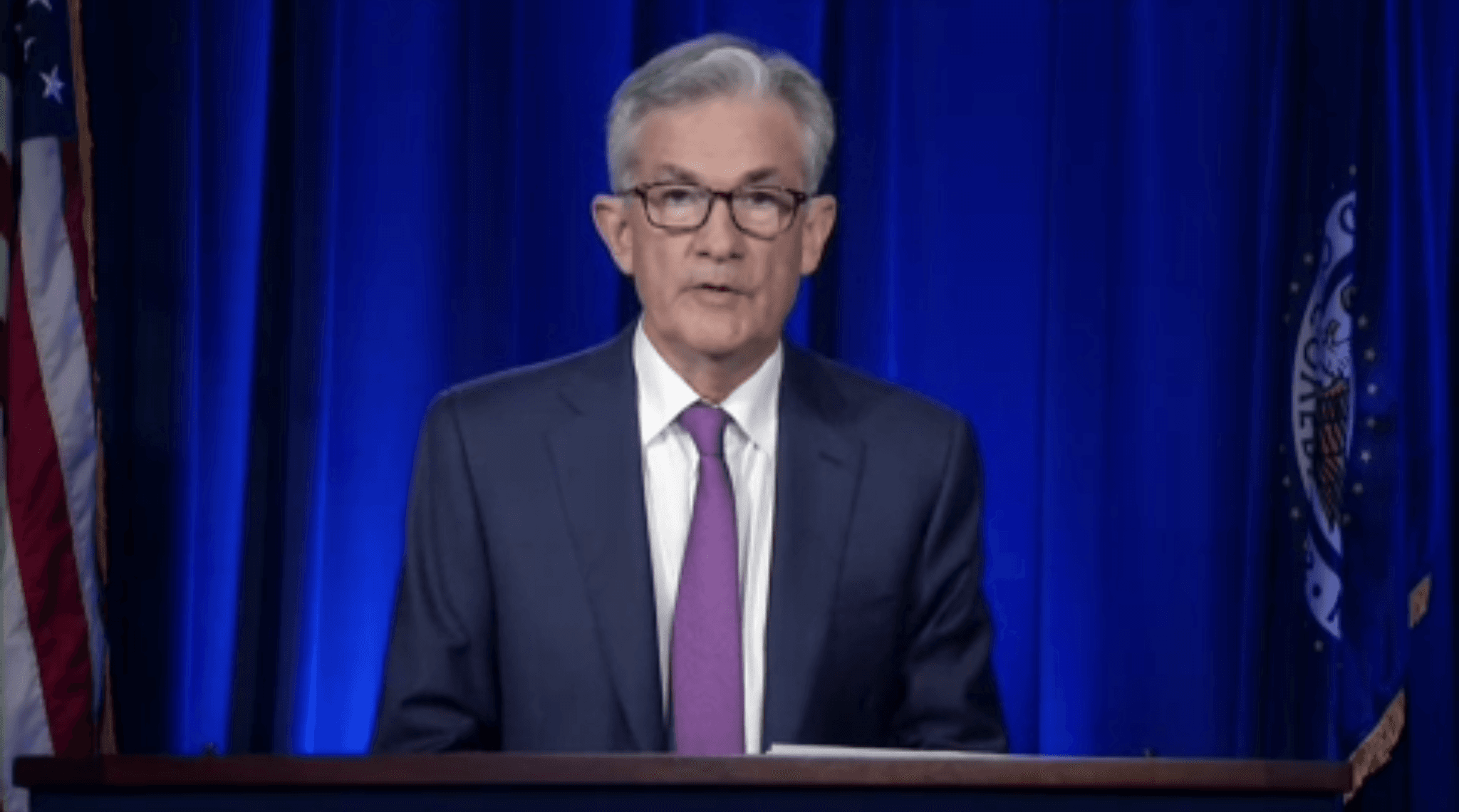
From the Federal Reserve's vantage point, increasing geopolitical risk introduces an unwelcome layer of complexity into an already challenging monetary policy framework. Chair Jerome Powell has consistently emphasized the Fed's data-dependent approach, yet external shocks, especially those impacting energy prices, are inherently difficult to model and control. A surge in oil prices, driven by instability in Iran, could reignite persistent inflationary pressures, forcing the Fed to maintain a restrictive stance for longer than currently priced by futures markets. Such a scenario would contradict the market's expectation of eventual rate cuts, potentially leading to a sharp repricing of the front end of the yield curve and increased volatility across all asset classes. The European Central Bank and Bank of Japan face similar predicaments, with their economies even more susceptible to energy import shocks, complicating their respective paths toward normalization or sustained growth.
The fixed-income market's immediate concern centers on the potential for yield curve distortion and spread widening. A significant escalation in Middle Eastern tensions typically triggers a flight to quality, driving demand for U.S. Treasuries and potentially pushing benchmark yields lower, particularly on the long end. However, if the primary impact is a sustained increase in oil prices and inflation expectations, the front end of the curve could see yields rise as the market anticipates a more hawkish Fed. This creates a challenging environment for duration management, as the directionality of rates becomes highly uncertain. Furthermore, credit spreads, especially in the high-yield and emerging markets sectors, are highly vulnerable to geopolitical risk. Companies with exposure to energy price volatility or those operating in politically sensitive regions would likely see their cost of borrowing increase, leading to spread compression reversals and a re-evaluation of credit quality across the board.
The implications of heightened geopolitical risk extend far beyond traditional fixed income, impacting every corner of the investment landscape. In equities, a flight to safety would likely see defensive sectors outperform, while growth-oriented and cyclically sensitive stocks face headwinds. Energy stocks, conversely, could benefit from rising crude prices, while transportation and manufacturing sectors grapple with increased input costs. Bitcoin, trading at $78,650, and Ethereum, at $2,328, have demonstrated remarkable resilience, but their role as either a safe-haven or a risk-on asset remains a subject of debate among institutional investors during periods of extreme global uncertainty. Commodities, particularly crude oil and gold, are the most direct beneficiaries of such events. Gold's role as a traditional inflation hedge and store of value is amplified, while oil prices reflect the tangible threat to global supply, necessitating a reassessment of commodity-linked strategies.
Looking ahead, the market will intently scrutinize any further developments regarding Narges Mohammadi's condition and the broader implications for U.S. and international relations with Iran. Upcoming diplomatic statements, potential U.S. policy responses, and any shifts in OPEC+ production quotas will serve as critical signposts for fixed-income investors. The trajectory of global crude inventories and the Strait of Hormuz shipping lanes will also be closely watched for any disruptions. Furthermore, the upcoming slate of U.S. inflation data, including the Consumer Price Index and Producer Price Index, will be analyzed through the new lens of elevated geopolitical risk, as any uptick in energy components could solidify a more hawkish outlook from the Federal Reserve. This period demands extreme vigilance and agility from portfolio managers, as the risk landscape can shift dramatically with little warning.
Gokhshtein Media’s assessment is unequivocal: the situation surrounding Narges Mohammadi in Iran, while a humanitarian concern, presents a material and underpriced geopolitical risk to global macro stability. While current market indices like the S&P 500 show resilience, the fixed-income market must factor in the potential for significant disruption to energy markets and a consequential rise in inflation. This elevated risk premium complicates the Federal Reserve’s path to achieving its dual mandate, potentially pushing out the timeline for rate cuts and introducing renewed volatility into the yield curve. Investors must recognize that the serene surface of current market performance belies a growing undercurrent of geopolitical tension that could swiftly trigger a flight to quality, widen credit spreads, and re-evaluate duration risk. Prudent portfolio construction now demands a robust hedge against tail risks emanating from an increasingly unstable global environment.