Russia and Ukraine have offered divergent narratives concerning the strategic control of a village within the Sumy region, a development that instantly injected a fresh wave of geopolitical uncertainty into global financial markets this morning. Ukrainian defense officials reported successful repulsion of Russian forces, maintaining their positions and denying any territorial losses in the northeastern sector. Conversely, Russian military sources claimed advances and asserted control over specific locales, creating a fog of war that complicates accurate assessment of the on-the-ground reality. This information asymmetry immediately heightened risk aversion among institutional participants, prompting a swift re-evaluation of systemic stability and its potential impact on established macroeconomic trajectories. The lack of clear, verifiable intelligence from either side amplified market jitters, directly influencing the pricing of risk assets and safe havens.
The immediate market reaction was palpable, with a distinct flight to safety evident across asset classes. Benchmark U.S. Treasury yields compressed as demand for duration surged, pushing the yield on the 10-year note down several basis points in early trading. The U.S. Dollar Index (DXY) strengthened against a basket of major currencies, reflecting its traditional role as a haven in times of global instability. Equity markets, while showing mixed performance, broadly reflected investor apprehension; the Dow Jones Industrial Average registered a decline of 0.3 percent today, while the Nasdaq Composite saw a 0.9 percent gain and the S&P 500 climbed 0.3 percent. This divergence in equity performance suggests a rotation within the market, favoring certain sectors or large-cap tech over broader indices. Gold prices edged higher, confirming the classic risk-off playbook, as investors sought tangible stores of value outside of traditional financial instruments.
This episode echoes similar patterns observed during previous escalations in the protracted conflict, particularly the initial full-scale invasion in February 2022, which triggered a sharp spike in commodity prices and a significant repricing of inflation expectations globally. While the immediate scale of this specific report remains localized, the market’s instantaneous reaction underscores the fragility of geopolitical stability and its direct correlation with macroeconomic outlooks. During the 2022 invasion, oil prices surged, directly fueling a period of elevated inflation that central banks are still actively combating. The current situation, though less severe in its immediate market impact than the 2022 event, serves as a stark reminder of how quickly supply chain disruptions and energy price shocks can materialize from regional conflicts, complicating the disinflationary path the Federal Reserve and other major central banks are attempting to navigate.
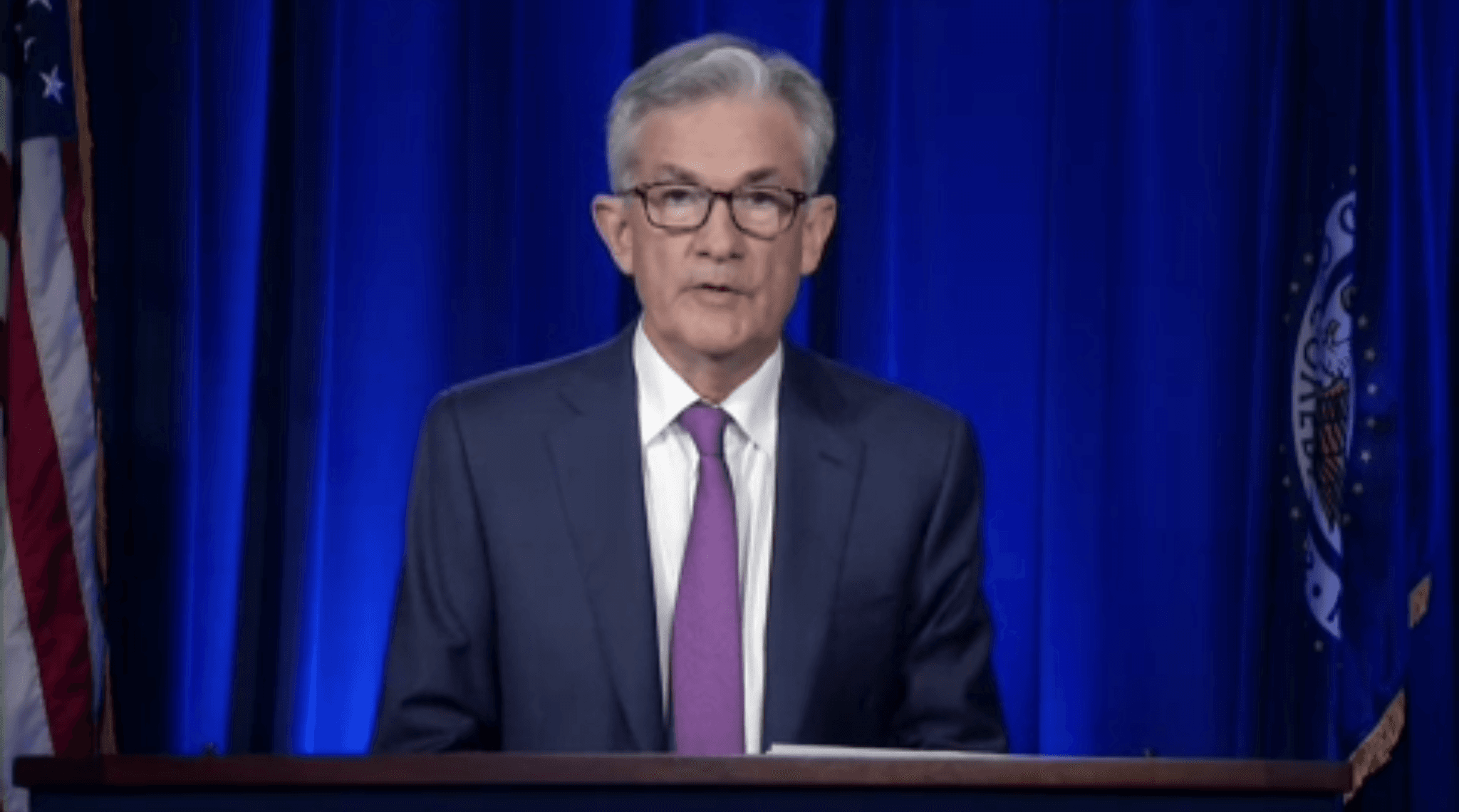
This renewed geopolitical tension invariably complicates the calculus for major central banks, particularly the Federal Reserve. Chair Jerome Powell and his colleagues have consistently emphasized data dependency, with inflation trajectory remaining paramount in their policy decisions. Any perceived escalation in the Russia-Ukraine conflict, especially one that hints at commodity supply disruptions, poses an upside risk to inflation, potentially forcing the Fed to maintain a restrictive stance for longer than currently anticipated by some market segments. The European Central Bank (ECB) and the Bank of Japan (BOJ) face similar dilemmas; Europe’s direct exposure to energy imports from the region makes the ECB particularly vulnerable to renewed inflation pressures. This development could solidify the “higher for longer” narrative for interest rates, pushing back market expectations for rate cuts that have been cautiously priced into the yield curve.
The fixed income market is acutely sensitive to shifts in geopolitical risk, manifesting in immediate adjustments to the yield curve and credit spreads. Today’s safe-haven bid primarily impacts the short end of the curve less, while longer-dated Treasuries see stronger demand, potentially leading to a flattening tendency as long-term inflation expectations are tempered by a growth slowdown fear, even as near-term inflation risks increase. Corporate credit spreads, particularly in higher-beta sectors and emerging markets, are likely to widen as investors demand greater compensation for increased default risk in an uncertain global environment. Money managers with significant duration exposure will closely monitor these movements, as any sustained upward pressure on yields due to inflation fears, or downward pressure from flight-to-safety, can significantly impact portfolio performance. The conflicting reports underscore the persistent duration risk inherent in current market positioning, where any surprise can trigger swift rebalancing.
The spillover effects extend broadly across other asset classes. Equity markets will likely experience increased volatility as corporate earnings forecasts become more opaque in the face of potential supply chain disruptions and higher input costs. Certain sectors, such as defense and cybersecurity, may see tailwinds, while energy producers could benefit from higher commodity prices. For the crypto complex, the reaction is often nuanced; Bitcoin, currently trading at $78,147, and Ethereum, at $2,301, frequently exhibit dual characteristics as both risk-on assets correlated with tech stocks and, at times, as uncorrelated digital safe havens. A sustained period of geopolitical instability and inflation could bolster the “digital gold” narrative for Bitcoin, attracting institutional flows seeking alternatives to traditional fiat hedges. Commodities, especially crude oil and natural gas, remain the most direct beneficiaries of heightened geopolitical tensions, as any perceived threat to supply routes or production immediately translates into upward price pressure, feeding into broader inflationary concerns.
Investors will now pivot their focus to upcoming economic data releases, particularly inflation metrics like the Consumer Price Index (CPI) and Producer Price Index (PPI), which will provide clearer signals on whether this geopolitical friction translates into actual price pressures. The next Federal Open Market Committee (FOMC) meeting and subsequent remarks from Chair Powell will be scrutinized for any shifts in forward guidance, especially concerning the pace and timing of potential rate adjustments. Diplomatic efforts and further communications from both Russia and Ukraine regarding the Sumy region will also be paramount in shaping market sentiment. Scenario analysis from major investment banks like Goldman Sachs and JPMorgan Chase will undoubtedly incorporate this renewed risk, modeling outcomes ranging from de-escalation to prolonged regional conflict, each with distinct implications for global growth and inflation trajectories.
The bottom line for Gokhshtein Media is clear: geopolitical risk, far from being a transient market factor, remains an entrenched and potent force dictating macro outcomes and central bank policy. The conflicting reports from Sumy serve as a stark reminder that the path to disinflation is fraught with external shocks, forcing a re-evaluation of the terminal rate and the duration of restrictive monetary policy. Institutional investors must now bake in a higher geopolitical risk premium across their portfolios, recognizing that energy price volatility and supply chain vulnerabilities are persistent features of the current global landscape. Expect continued yield curve volatility, intermittent safe-haven flows into the dollar and Treasuries, and a persistent “higher for longer” narrative from central bankers until a definitive de-escalation provides clear visibility. This environment demands active management and a robust understanding of the interconnectedness between global politics and financial market mechanics.