President Trump indicated the United States could restart military strikes against Iran, a declaration that immediately injected a fresh wave of geopolitical uncertainty into global financial markets. The President's comments, delivered from the Oval Office, signaled a significant escalation in U.S.-Iran relations, echoing previous periods of heightened tensions in the Middle East. This potential shift in foreign policy introduces a substantial new variable for fixed-income investors, who must now recalibrate duration and credit risk against a backdrop of increased instability. The statement comes as global central banks grapple with persistent inflation and fragile growth prospects, complicating the monetary policy outlook and potentially accelerating the velocity of capital flows.
The bond market reacted swiftly to the prospect of renewed conflict, initiating a flight to quality that pushed U.S. Treasury yields lower across the curve. The benchmark 10-year Treasury yield saw immediate downward pressure, reflecting increased demand for safe-haven assets and a repricing of geopolitical risk. Concurrently, the U.S. Dollar Index (DXY) firmed, as investors sought refuge in the world's primary reserve currency, indicating a broad-based shift towards liquidity. Equity markets, already navigating a mixed earnings season, registered immediate declines in some indices; the Dow Jones Industrial Average fell 0.3 percent to $49,499, while the S&P 500 managed a modest gain of 0.3 percent to $7,230, suggesting sector-specific resilience or rotation. Gold prices, a traditional hedge against geopolitical risk and inflation, saw a sharp uptick, though specific price data is not provided here.
This immediate market response mirrors historical patterns observed during periods of elevated geopolitical risk, such as the 1990 Gulf War or the initial stages of the Iraq War in 2003. In those instances, global capital flows rapidly shifted towards perceived safe assets, primarily U.S. Treasuries, leading to significant yield compression at the long end of the curve. Commodity markets, particularly crude oil, consistently experience upward price pressure as supply chain vulnerabilities and potential disruptions come into sharp focus. The current environment, however, differs due to the pre-existing inflationary pressures and the ongoing quantitative tightening efforts by major central banks, making the impact of a supply shock potentially more acute and challenging to absorb without further economic dislocation.
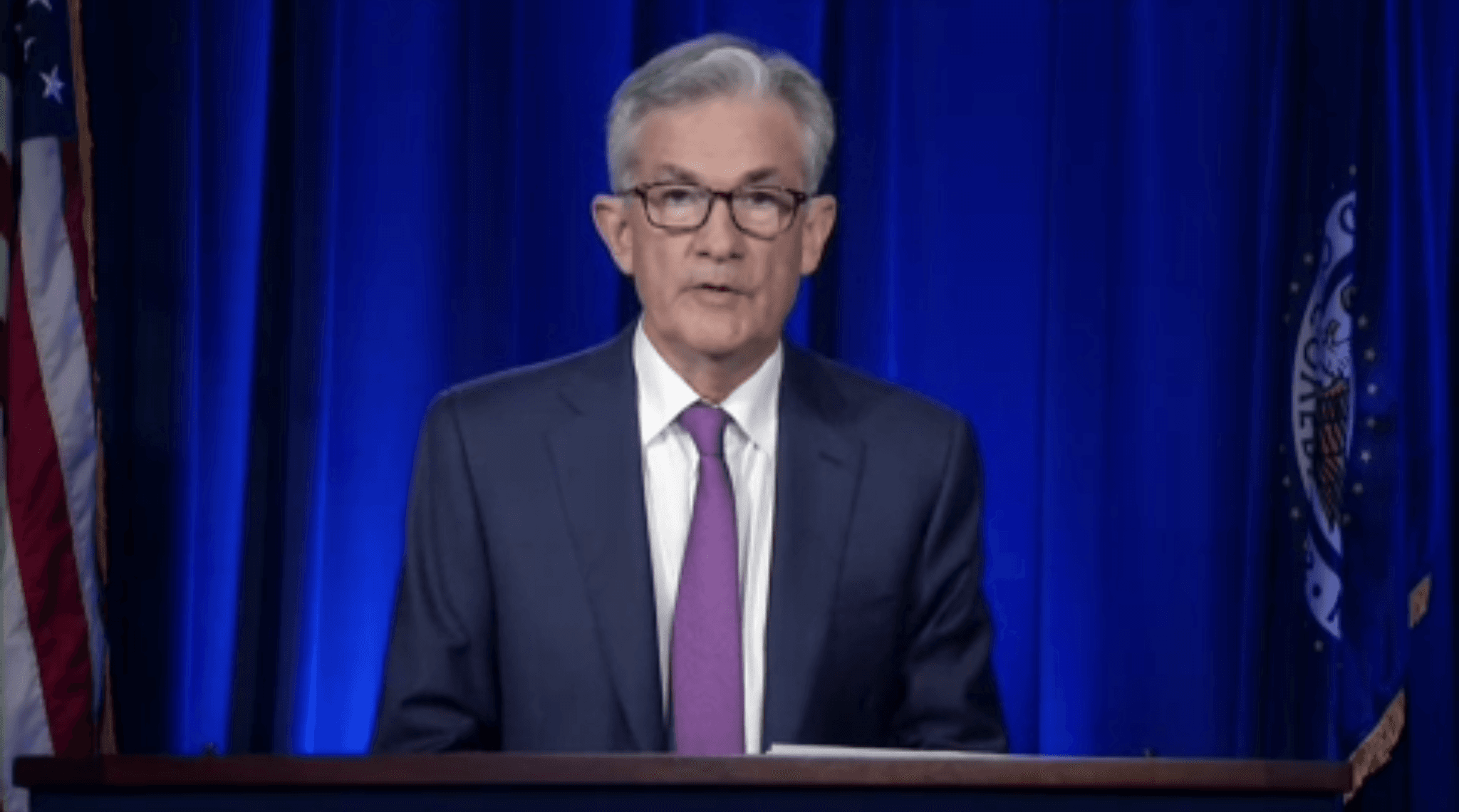
For central banks like the Federal Reserve, the European Central Bank, and the Bank of Japan, this geopolitical development introduces a complex dilemma for monetary policy. Federal Reserve Chair Jerome Powell has consistently emphasized data-dependency in monetary policy decisions, with inflation control remaining the paramount objective. A potential restart of strikes on Iran carries the risk of significant oil price spikes, which would undoubtedly exacerbate inflationary pressures globally, forcing central banks to weigh the difficult choice between combating inflation with tighter policy and supporting economic growth amidst increased uncertainty. This dynamic complicates the path for any potential rate cuts or further tightening, suggesting a prolonged period of elevated rates might become necessary to anchor inflation expectations firmly.
The fixed income market is now bracing for potential shifts in yield curve dynamics and credit spread behavior, which will be critical for institutional investors. A sustained flight to quality typically results in a flattening or inversion of the yield curve, as short-term rates remain anchored by central bank policy expectations while long-term yields fall on safe-haven demand. However, if the risk premium for inflation rises due to energy shocks, the long end could paradoxically rise, leading to a bear steepener, a scenario that would challenge many duration-hedging strategies. Credit spreads, particularly within emerging markets and sectors sensitive to energy prices or trade disruptions, are likely to widen as investors demand higher compensation for increased default risk. Portfolio managers at institutions like BlackRock and Vanguard will be actively managing duration risk, potentially shortening exposure to mitigate volatility, while seeking opportunities in high-quality, liquid assets.
Beyond traditional fixed income, the ripple effects of escalated tensions would reverberate across all asset classes, reshaping investment strategies. Equities, already sensitive to interest rate expectations and corporate earnings, face downside risk from reduced consumer confidence, supply chain disruptions, and higher energy costs impacting profit margins. Companies like Apple, trading at $280.14, and Microsoft, at $414.44, while less directly exposed to geopolitical conflict, could see broader market sentiment weigh on their valuations. Cryptocurrencies, often touted as uncorrelated assets, could exhibit mixed reactions; Bitcoin at $78,189 and Ethereum at $2,302 might attract some safe-haven flows from retail investors, but institutional capital typically favors traditional hedges during severe risk-off events. Commodities, especially oil and industrial metals, stand to benefit from the supply-side shock and increased demand for strategic reserves, although specific oil prices are not provided.
The market's immediate focus will shift to further statements from the White House and the Pentagon, seeking clarity on the scope and immediacy of any potential actions. Investors will also monitor diplomatic responses from regional powers and international bodies, which could either de-escalate or further inflame the situation, adding layers of complexity to risk assessments. Upcoming economic data releases, such as the Consumer Price Index and Producer Price Index reports, will be scrutinized for any early signs of inflationary impact from commodity price movements, directly influencing market expectations for central bank policy. The Federal Open Market Committee's next meeting will be particularly telling, as policymakers deliberate how to balance price stability with the new layer of geopolitical uncertainty, potentially delaying any dovish pivots indefinitely.
Gokhshtein Media's assessment indicates that President Trump's explicit mention of potential strikes on Iran has fundamentally altered the near-term risk calculus for global markets. The fixed-income landscape now faces a more complex environment characterized by heightened duration risk, potential for wider credit spreads, and the ever-present threat of inflation stoked by energy price volatility. Investors must prepare for a period of sustained uncertainty, where traditional safe havens will likely outperform, and risk assets will remain under pressure until a clearer geopolitical path emerges. The era of predictable rate cycles has given way to a landscape where macro-geopolitical shocks can swiftly rewrite the investment playbook, demanding agile and informed portfolio management to navigate the evolving risks and opportunities inherent in the current market structure.