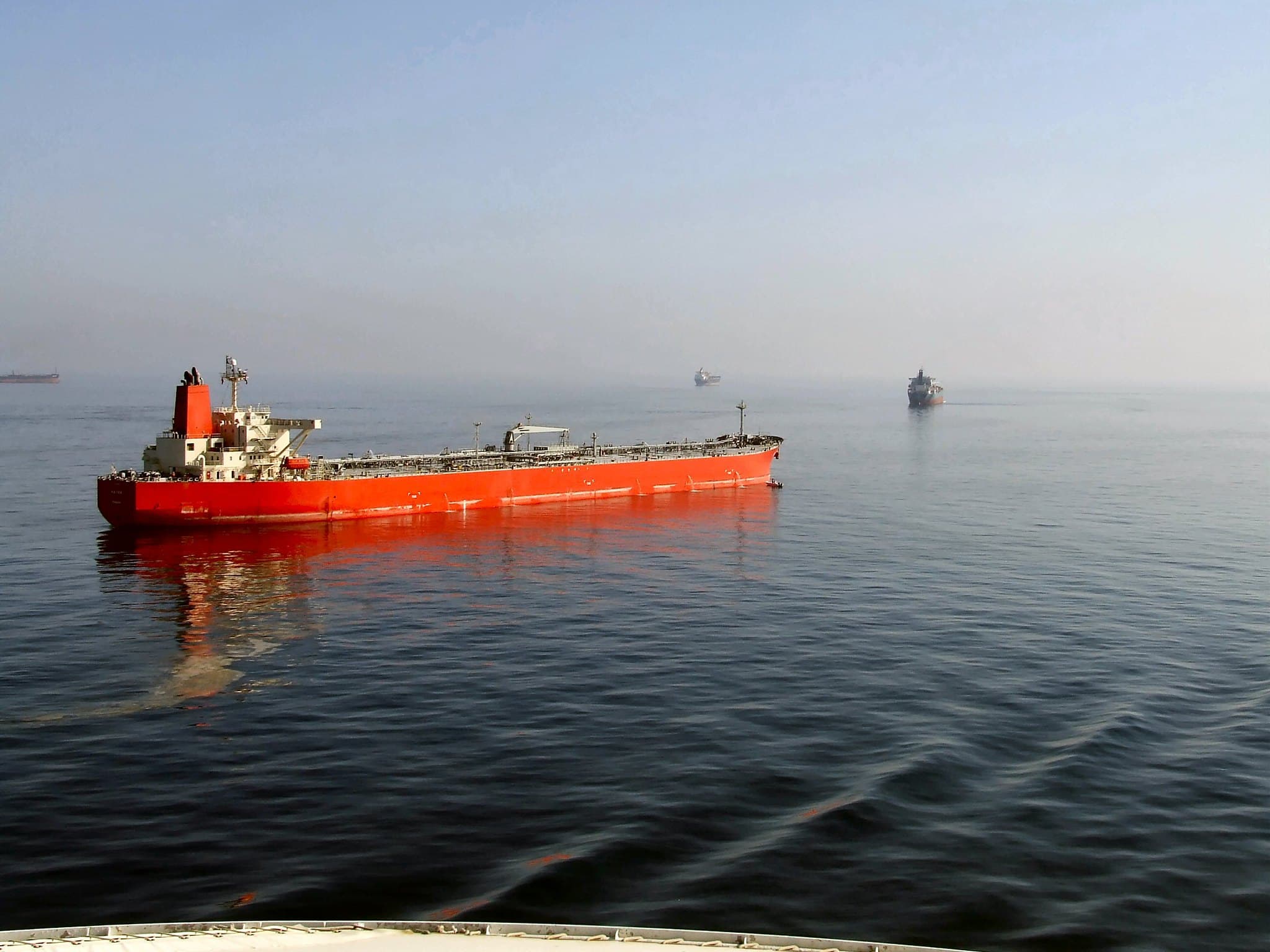
The transit of a U.S.-flagged Maersk vessel through the Strait of Hormuz, under the protective watch of the United States military, has injected a sharp dose of geopolitical risk into global markets. This pivotal development, occurring in a critical chokepoint for global energy flows, immediately triggered a flight to safety in some segments while simultaneously pushing up commodity prices, particularly in the energy complex. The bond market quickly began to price in an increased risk premium, reflecting escalating concerns over potential supply disruptions and a renewed inflationary impulse, fundamentally altering the trajectory of interest rate expectations. This move signals a significant shift in market sentiment, particularly for fixed-income investors who had been grappling with the persistent narrative of disinflation and the timing of a dovish pivot from central banks. The implications extend far beyond regional stability, directly impacting the global cost of capital.
Yields on benchmark U.S. Treasury bonds saw an immediate and noticeable upward adjustment following the news, reflecting heightened geopolitical uncertainty and the perceived inflationary threat now embedded in longer-term expectations. The dollar index strengthened across the board as investors sought refuge in the world's primary reserve currency, a classic response to global instability and a surge in risk aversion. Equity markets, already navigating a cautious environment, registered declines across major indices: the S&P 500 fell 0.4 percent to $7,201, the Dow Jones shed 1.1 percent to $48,942, and the Nasdaq edged down 0.2 percent to $25,068. The Russell 2000, representing smaller U.S. companies, also retreated 0.6 percent to $2,796, indicating broad-based risk aversion and a preference for defensive positioning. Gold, a traditional safe-haven asset, also saw significant bids, underscoring its role as an inflation hedge and store of value during times of uncertainty.
This latest escalation in the Middle East echoes historical periods where geopolitical tensions in critical shipping lanes directly translated into commodity price spikes and subsequent inflationary spirals, forcing central banks into reactive postures. The 1973 oil embargo and the Gulf War in the early 1990s serve as stark reminders of how disruptions in the Persian Gulf can send shockwaves through the global economy, fundamentally altering central bank policy trajectories and extending periods of elevated inflation. While the immediate scale of this specific event differs from past crises, the psychological impact on energy markets and inflation expectations is undeniably potent, prompting investors to revisit historical playbooks. Fixed-income investors, particularly those with long memories of stagflationary periods, are acutely aware of how quickly a geopolitical premium can embed itself into the yield curve, necessitating a rapid re-evaluation of duration risk and portfolio hedges.
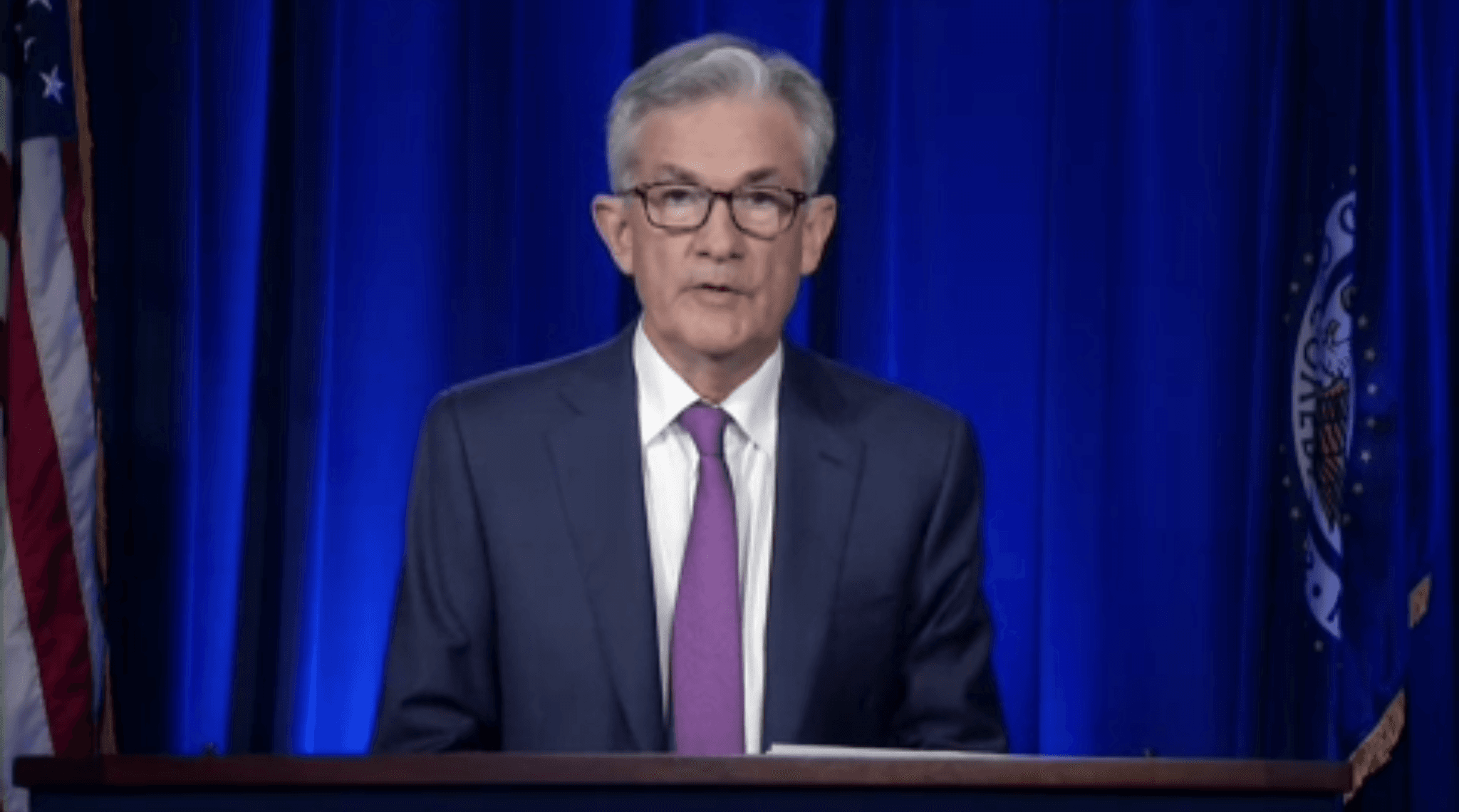
The Federal Reserve, under Chair Jerome Powell, has consistently emphasized its data-dependent approach, but geopolitical shocks introduce an unpredictable and potent variable into their policy calculus, complicating the outlook for interest rates. This hardening of the geopolitical risk premium suggests that any anticipated dovish pivot or aggressive rate-cutting cycle may be further delayed, as the Fed's primary mandate remains the unwavering pursuit of price stability. Other major central banks, including the European Central Bank and the Bank of Japan, face similar dilemmas, albeit with their own unique regional economic complexities. While the ECB grapples with persistent core inflationary pressures and the BOJ delicately navigates its exit from ultra-loose policy, any sustained increase in global energy prices will inevitably complicate their respective paths toward normalization or sustained growth. The market's perception of "higher for longer" rates gains renewed and undeniable traction with such events, solidifying expectations for tighter monetary conditions.
From a fixed-income perspective, the immediate impact is a pronounced steepening bias on the U.S. Treasury yield curve, particularly in the belly and long end, as investors aggressively price in higher inflation expectations and a significantly reduced probability of aggressive rate cuts in the near term. Shorter-dated yields, anchored by current Fed policy and expectations for persistent tightness, may see less dramatic shifts initially, but the spread between two-year and ten-year Treasuries could widen substantially as the market anticipates future inflation and a more restrictive policy stance. Credit spreads, particularly in energy-sensitive sectors, transportation, and emerging markets highly dependent on energy imports, are likely to widen as perceived risk increases, while safer, higher-quality corporate bonds might experience some spread compression due to a flight to quality. Portfolio managers are now rigorously re-evaluating their duration exposure, recognizing that a persistent geopolitical premium means higher yields and potential capital losses for long-duration holdings, intensifying the hunt for inflation-protected securities and shorter-duration instruments to mitigate risk.
The broad equity market reaction, as evidenced by the S&P 500's decline, reflects the inherent sensitivity to geopolitical instability and the potential for higher input costs and supply chain disruptions, which directly impact corporate margins. Sectors heavily reliant on global supply chains or significant energy consumption will likely face intensified margin compression and reduced earnings outlooks, leading to further underperformance. Interestingly, the cryptocurrency market showed a nuanced and somewhat divergent reaction; Bitcoin rose 2.2 percent to $80,146 and Ethereum climbed 1.9 percent to $2,358, demonstrating a potential decoupling from traditional risk assets or a flight to perceived digital safe havens amidst traditional market turmoil. This divergence highlights a growing narrative among some investors who view digital assets as an uncorrelated hedge against traditional geopolitical and inflationary risks. Commodities, especially crude oil and natural gas, are the most direct beneficiaries, with prices expected to remain elevated as long as tensions persist, providing a strong tailwind for energy producers and commodity-exporting nations.
Looking ahead, market participants will closely monitor further developments in the Middle East, with any additional maritime incidents, diplomatic escalations, or shifts in regional alliances capable of triggering further and sustained market volatility. Upcoming inflation data, particularly the next Consumer Price Index and Producer Price Index releases, will be scrutinized with heightened intensity for signs of pass-through from elevated energy costs into broader price indices, influencing central bank reactions. The Federal Open Market Committee's next meeting and subsequent commentary from Chair Powell will be critical in assessing the Fed's updated reaction function to this evolving geopolitical landscape, especially concerning their tolerance for inflation. Scenario analysis now includes a higher probability of sustained energy inflation and a more entrenched hawkish central bank stance, potentially pushing back the timeline for any significant easing cycle well into the future.
The bottom line for Gokhshtein Media is unequivocally clear: the transit of the Maersk vessel under military escort through Hormuz is not an isolated incident but a potent reminder of geopolitical risk's enduring capacity to unilaterally reshape macro narratives and market dynamics. This event unequivocally hardens the geopolitical risk premium across asset classes, suggesting that the era of persistently low inflation and rapidly declining interest rates, if it ever truly arrived, may remain elusive for the foreseeable future. Fixed-income investors must brace for continued volatility, a potentially steeper yield curve driven by inflation expectations, and sustained pressure on duration, necessitating rigorous risk management. The path of least resistance for rates, in this environment, appears to be undeniably higher for longer, driven by an inflationary tailwind that is now more geopolitical and supply-side driven than purely demand-driven, demanding a comprehensive re-evaluation of portfolio construction and strategic asset allocation.