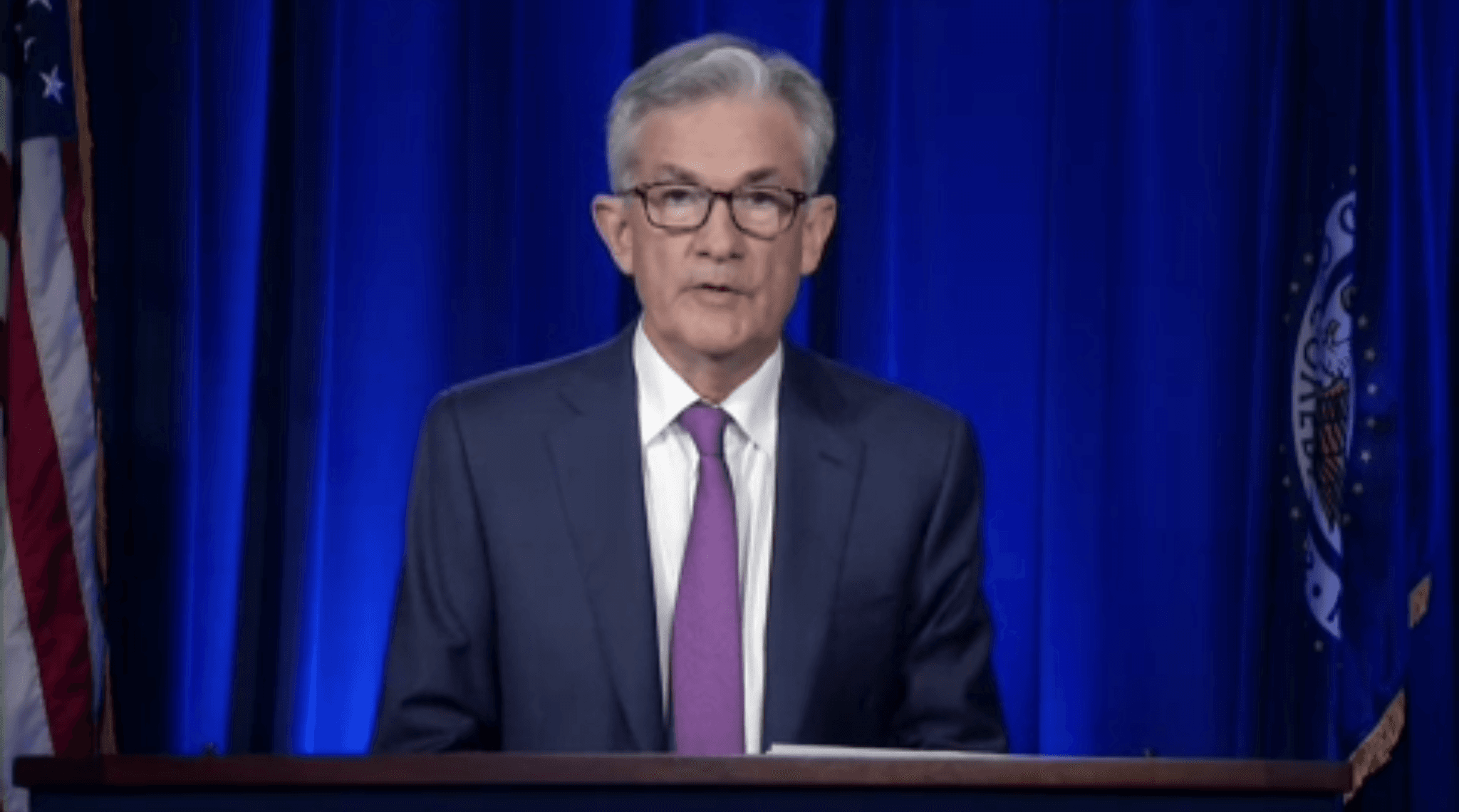
NEW YORK — New Fed Chair Kevin Warsh outlined a firm stance against inflation, indicating a prolonged period of restrictive monetary policy. His remarks to the House Financial Services Committee prompted a sharp sell-off in short-dated Treasuries. The two-year yield climbed 12 basis points to 5.15 percent, reflecting the market's immediate repricing of future rate expectations.
Underlying inflation data supports Warsh's hawkish outlook. Core PCE, the Fed's preferred inflation gauge, registered 3.2 percent year-over-year in April, remaining stubbornly above the two percent target. Services inflation, particularly in housing and labor, continues to drive the elevated readings, making a swift return to target unlikely. This sustained pressure has kept the 2s10s Treasury spread deeply inverted at negative 85 basis points, reflecting market concerns about future growth versus current inflation.
Institutional investors are recalibrating duration risk across fixed-income portfolios. Long-duration assets, particularly 30-year Treasury bonds, faced renewed selling pressure, pushing their yield to 4.88 percent. Fund managers at BlackRock and Vanguard are adjusting strategies, prioritizing active duration management over passive exposure. Pension funds and insurance companies, traditionally holding longer-dated assets, now contend with greater capital depreciation as yields rise, impacting their liability matching frameworks.
The prospect of higher U.S. rates strengthened the dollar, with the dollar index rising 0.3 percent to 105.7. This move pressured commodity prices, with crude oil dipping below $80 a barrel and gold falling $15 to $2,312 an ounce. Equity markets showed mixed reactions; the S&P 500 rose 0.7 percent to 7,494, while rate-sensitive sectors like real estate and utilities lagged. Technology stocks, led by NVDA's 3.9 percent gain to $234.60, largely shrugged off rate concerns.
Fed funds futures now price less than a 10 percent chance of a rate cut before early 2027, a shift from earlier expectations for cuts in late 2026. This implies a sustained period of higher funding costs for corporations and sovereign borrowers. Fixed-income managers are prioritizing active duration management and seeking spread opportunities in investment-grade corporates to mitigate risk, rather than chasing yield in longer-dated government bonds.