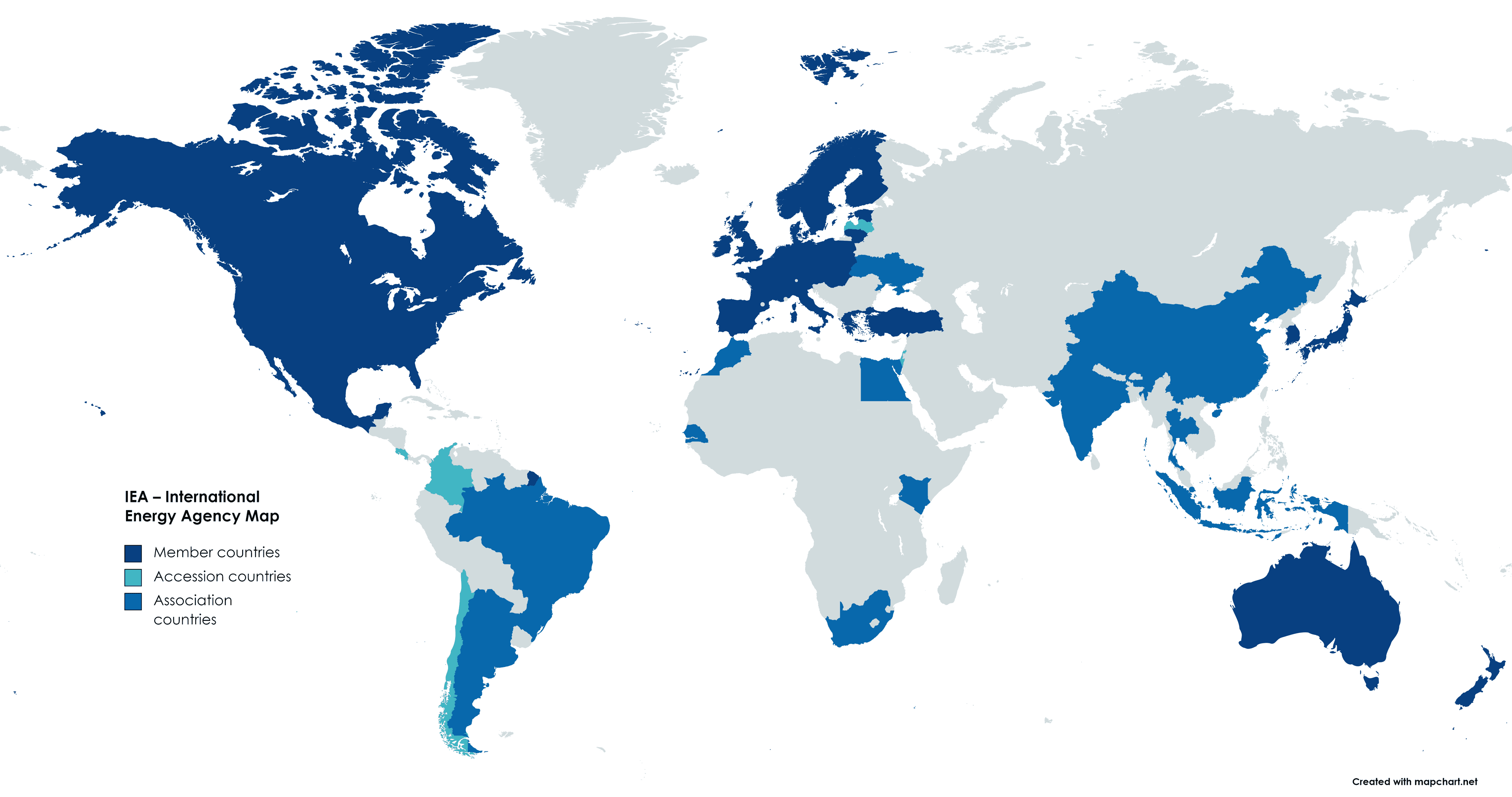
NEW YORK — International Energy Agency Executive Director Fatih Birol said the organization is ready to coordinate further oil reserve releases if member nations request such action. The position signals a proactive stance on global energy security and potential supply disruptions. Birol noted that the last coordinated release drew down 20 percent of the total strategic petroleum stocks held by IEA members.
The 20 percent figure highlights the impact past interventions have had on the global crude market. Strategic petroleum reserve releases directly increase available supply, aiming to mitigate price spikes that fuel headline inflation. For fixed-income markets, such interventions can reduce inflation expectations, particularly in the longer end of the yield curve, compressing term premia and affecting duration risk calculations for bond investors. When energy costs stabilize, the likelihood of aggressive monetary tightening by central banks decreases, potentially flattening the yield curve.
The readiness to act implies a political trigger would be necessary. Member countries, facing domestic economic pressures or geopolitical instability impacting oil flows, would need to collectively request the IEA's coordination. This mechanism provides a backstop against extreme crude price volatility, influencing the cost of doing business across energy-intensive sectors and shaping broader economic growth forecasts. The market's perception of this available supply buffer can temper speculative buying in crude futures.
Institutional money managers closely monitor these signals, as energy prices are a primary input into inflation models. Sustained high oil prices can force central banks to maintain higher policy rates for longer, increasing funding costs and potentially widening credit spreads for corporate borrowers, especially those in cyclical sectors. Conversely, the prospect of coordinated supply injections can ease these pressures, allowing for a more stable interest rate environment and reducing the volatility of bond portfolio returns.