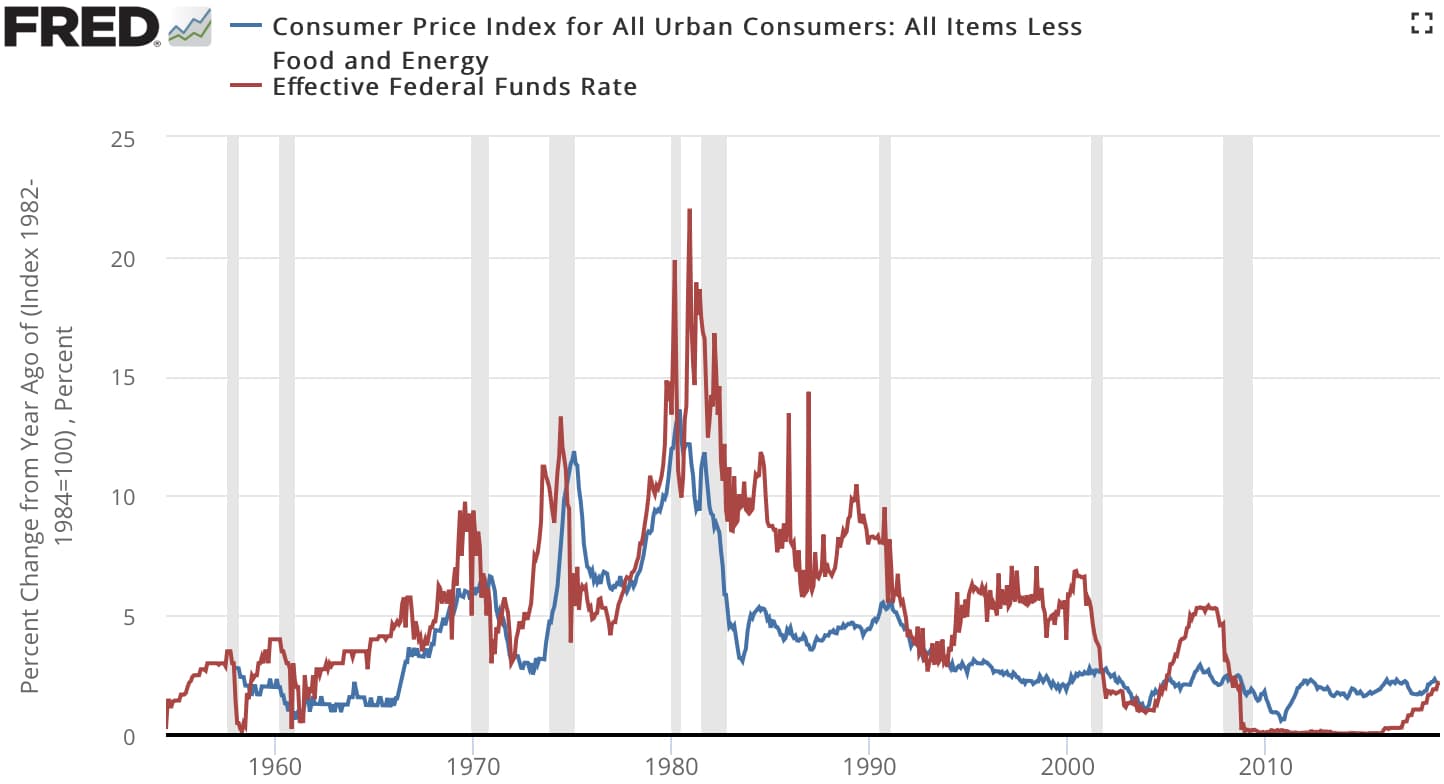
NEW YORK — HSBC's latest analysis calls for global central banks to implement pre-emptive rate hikes, challenging the prevailing market narrative of a gradual tightening cycle. The firm argues that persistent supply-side shocks risk embedding higher inflation expectations, pushing short-end yields higher as markets reprice the probability of earlier policy action. Fed funds futures currently price a 65 percent chance of a 25 basis point hike by the Federal Reserve in September.
The bank's economists point to elevated commodity prices and ongoing labor market frictions as key drivers, suggesting these factors are not transitory and will sustain upward pressure on core inflation. This inflationary impulse increases duration risk across fixed-income portfolios, especially for long-dated government bonds whose real returns erode faster under sustained price increases. Institutional investors holding 10-year Treasuries, currently yielding 4.58 percent, face significant capital depreciation if rates climb further.
A coordinated, pre-emptive tightening by major central banks would likely steepen the front end of the yield curve, reflecting heightened expectations for near-term policy rates. Such a move could compress credit spreads in investment-grade and high-yield markets, as a stronger commitment to inflation control reduces the tail risk of runaway price growth and its impact on corporate earnings. This scenario implies a re-evaluation of relative value within fixed-income allocations.
Central bankers, including former Federal Reserve Chair Jerome Powell, face a difficult trade-off between supporting immediate economic growth and securing long-term price stability. HSBC's position suggests that delaying action now will necessitate more aggressive tightening later, a path that could severely constrain future economic expansion and increase the risk of a hard landing.
This stance from HSBC reflects a growing concern among some fixed-income veterans that inflation's structural drivers are being underestimated. If central banks fail to act early, the cost of re-anchoring inflation expectations could be substantially higher, leading to prolonged periods of yield curve inversion and increased volatility in bond markets. Such a trajectory would complicate asset allocation strategies for pension funds and insurance companies.