NEW YORK — The Federal Reserve is retreating from explicit forward guidance, moving to a data-dependent communication strategy that immediately injected uncertainty into bond markets. The two-year Treasury yield climbed 8 basis points to 4.97 percent early Thursday. Fed funds futures now price a 72 percent probability of a pause at the September meeting, down sharply from 84 percent last week, reflecting a market grappling with reduced clarity on the path ahead.
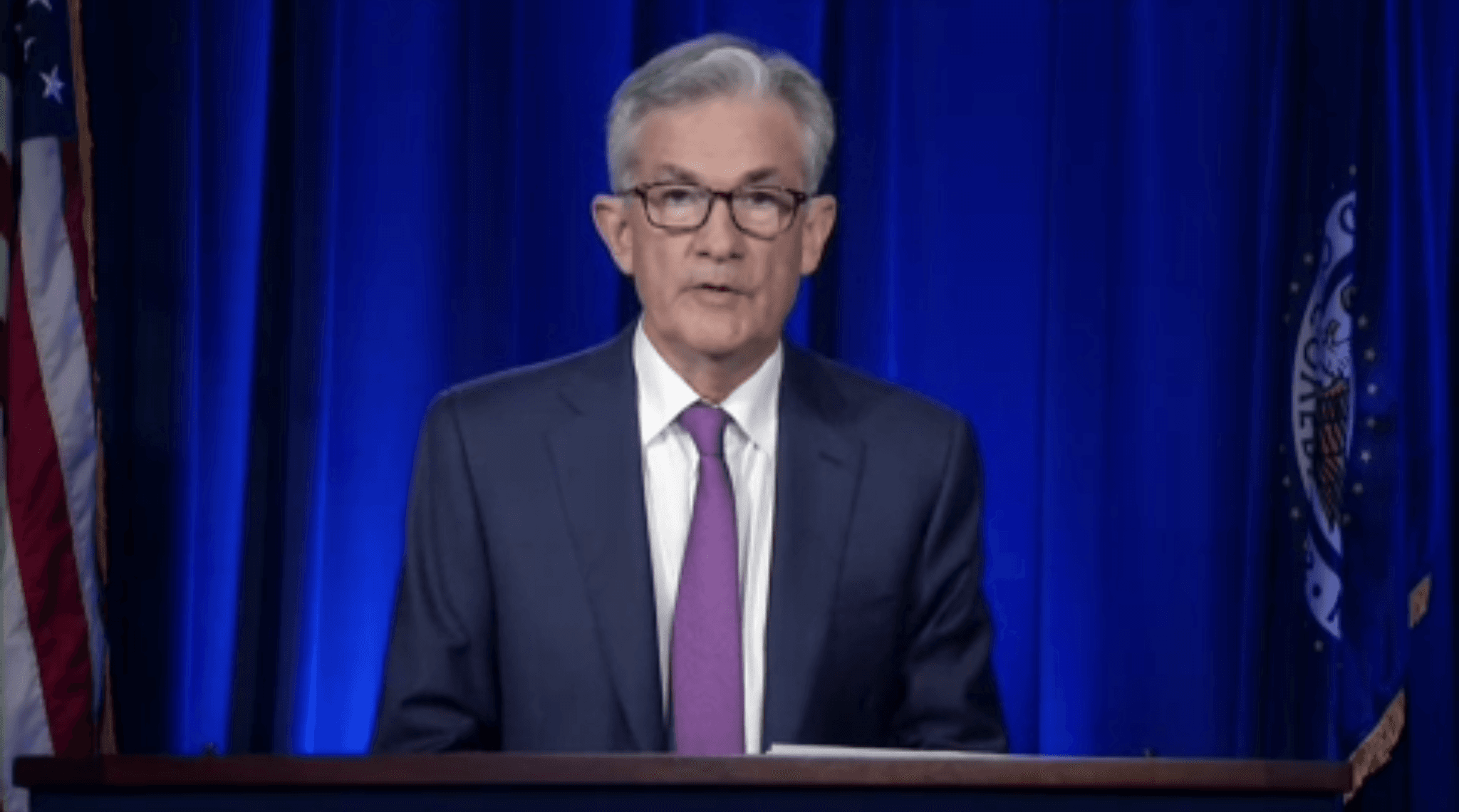
The shift, championed by Chair Kevin Warsh since his swearing-in in May, marks a departure from the prescriptive guidance offered under former Chair Jerome Powell. Warsh has repeatedly emphasized flexibility, pushing back against market expectations for a rigid rate-cut schedule and prioritizing responsiveness to incoming economic data over pre-commitment. The stance positions the Fed to react more nimbly to inflation prints and employment figures, but at the cost of near-term market predictability.
Fixed-income portfolios with longer duration face increased risk as clarity on the rate path diminishes. Without explicit forward guidance, asset-liability matching strategies become more challenging for pension funds and insurance companies, forcing greater reliance on dynamic adjustments. Hedging grows more complex, and institutional accounts across the board face a re-evaluation of duration positioning.
The risk for the Fed is an unintended communication misfire. Without explicit guardrails, traders may overinterpret minor data fluctuations, leading to sharper swings in Treasury futures and currency markets. The dollar index rose 0.3 percent to 105.1 on Thursday. Broader markets also sold off, with the S&P 500 falling 1.2 percent to 7,408 and the Nasdaq dropping 2.2 percent to 25,138 as investors pulled back from risk assets. Tesla fell 14.5 percent to $319.69 and Alphabet dropped 7.1 percent to $317.69, while the Crypto Fear and Greed Index registered 28, indicating fear.
Spread products, particularly investment-grade corporates, could see spread compression unwind if volatility pushes investors into safe-haven Treasuries. High-yield spreads may widen as risk premia rise. Callable bonds, sensitive to interest rate volatility and embedded optionality, could experience increased price swings, demanding more sophisticated modeling from portfolio managers.
The market now looks to the July employment report, due Aug. 2, and the August CPI data, due Sept. 12, for directional cues. Every data point will be scrutinized for hints about the Fed's immediate intentions. The next Federal Open Market Committee meeting concludes Sept. 25, where a formal statement on the outlook will be delivered. Institutional desks are recalibrating models to account for a wider range of potential rate outcomes, shifting from guidance-anchored scenario analysis toward data-driven probability distributions.
The absence of clear forward guidance compels bond managers to allocate more capital to managing basis risk and curve positioning. This environment favors active management over passive strategies, as swift adjustments to duration and convexity become essential for preserving portfolio value and generating alpha.