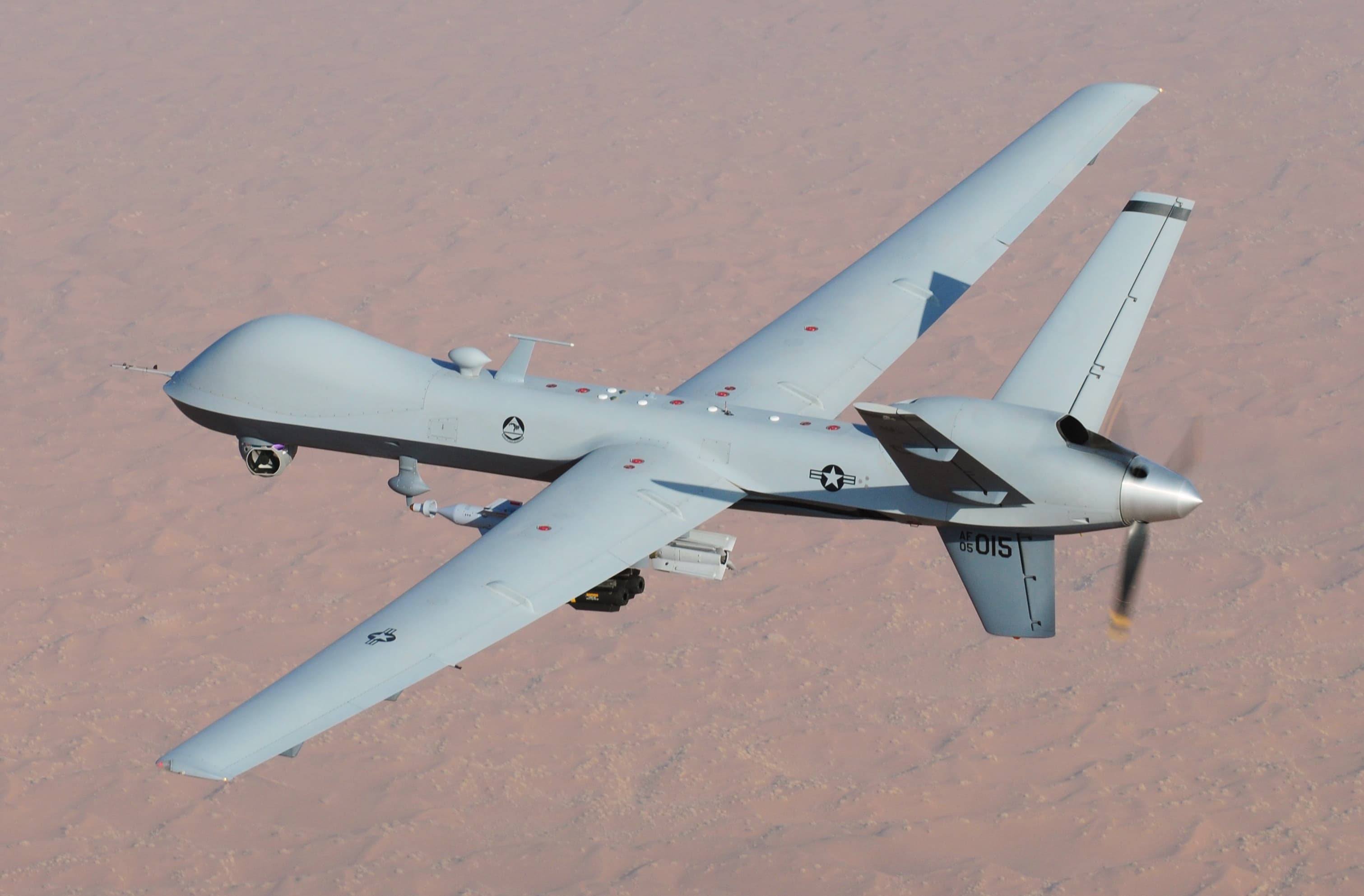
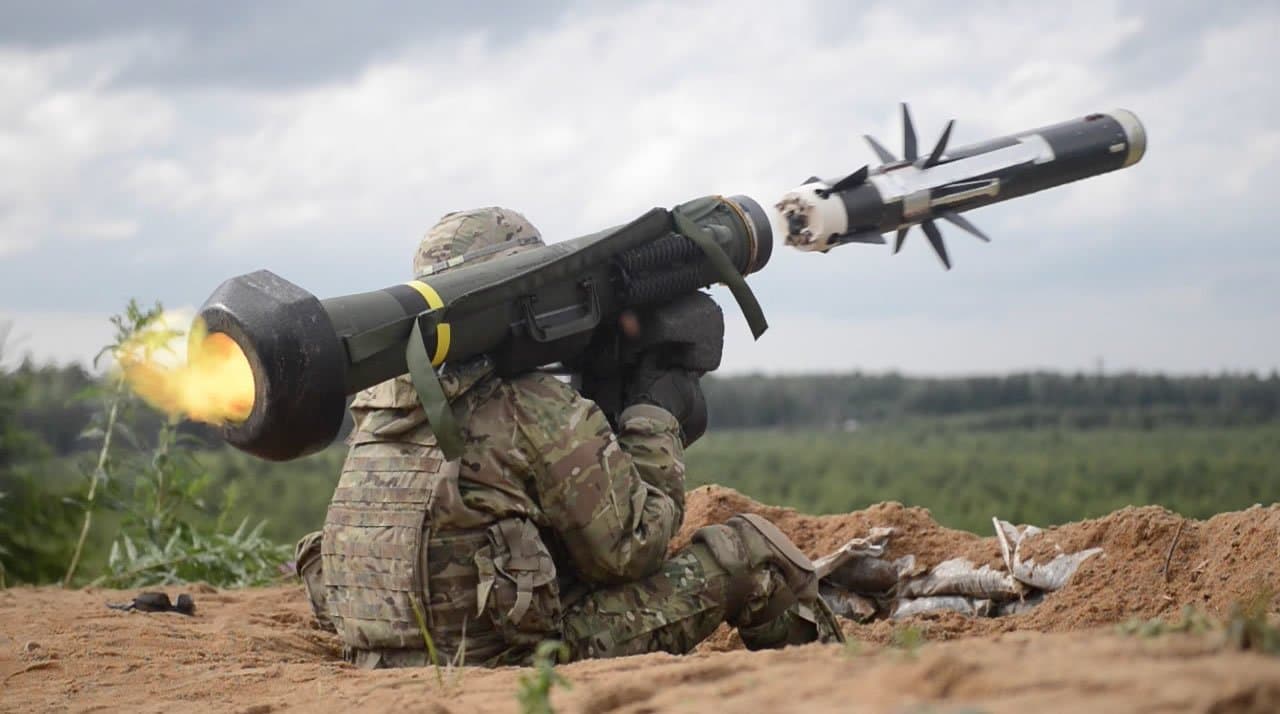
WASHINGTON — U.S. and Saudi forces launched coordinated airstrikes against nine sites in Iraq linked to Iran-backed militias early Tuesday, targeting weapons depots and command centers across three provinces. The attacks directly responded to recent drone and rocket assaults on U.S. personnel and Saudi oil infrastructure. Pentagon officials said the strikes aimed to degrade the operational capabilities of these groups.
The joint operation reflects a hardening U.S.-Saudi stance against Iranian influence in the Middle East. For Riyadh, the strikes reinforce its security against proxies threatening its oil exports and regional standing, potentially strengthening its long-term energy market stability and investment appeal. Defense contractors supplying precision-guided munitions and surveillance technology stand to gain from renewed demand for advanced weaponry in the region.
The aggressive posture risks drawing regional actors deeper into a conflict that has simmered for years, particularly over Iraq's sovereignty. Iranian Foreign Minister Hossein Amir-Abdollahian condemned the attacks, calling them a flagrant violation of international law and a dangerous provocation. Sources close to the Iraqi government said the strikes could further destabilize the fragile political landscape, potentially empowering hardline factions.
Global markets showed a mixed reaction. The S&P 500 rose 0.2 percent to 7,429, while the Nasdaq edged down 0.2 percent to 24,877. The Dow Jones Industrial Average gained 1.0 percent to 52,747, reflecting a flight to perceived safety in established industrials.
The U.N. Security Council is expected to convene an emergency session later this week. U.S. Secretary of State Antony Blinken is scheduled to meet with Gulf counterparts Thursday to coordinate further action and discuss regional security frameworks. A formal statement from Tehran outlining its response is anticipated within 24 hours.