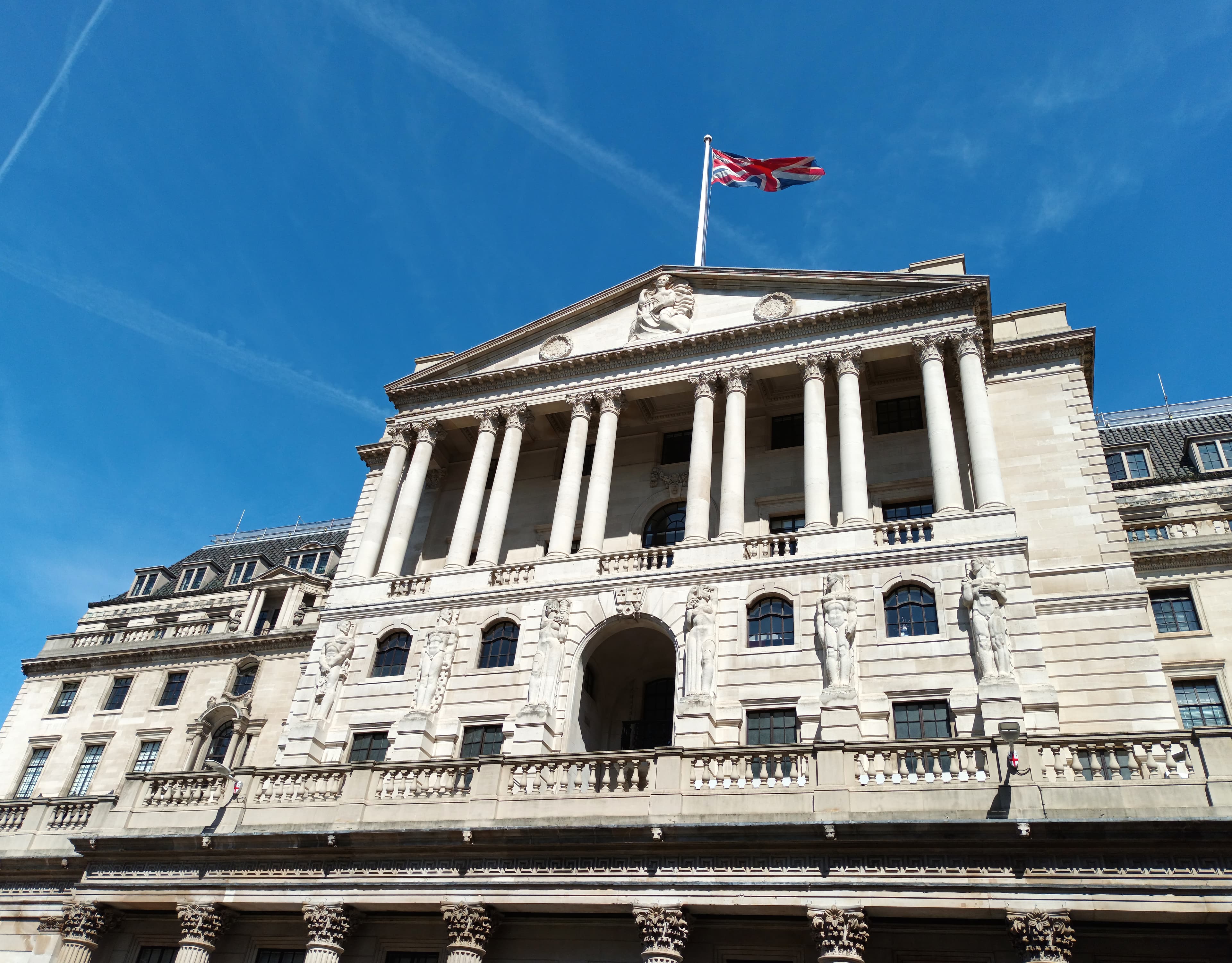
LONDON — The Bank of England's Monetary Policy Committee voted to keep interest rates unchanged, opting for a wait-and-see approach as the economic fallout from the Iran conflict remains uncertain. The decision marks the sixth consecutive meeting without a rate change. The committee is closely monitoring the potential for imported inflation to disrupt domestic price stability.
U.S. equity markets showed resilience following the announcement, with the Nasdaq rising 2.8 percent to 25,122 and the S&P 500 gaining 1.7 percent to 7,438. Policymakers said that while domestic inflation has shown signs of easing, external shocks from the Middle East could quickly reverse progress toward the two percent target. Energy costs remain a primary concern for central bankers worldwide.
The ongoing conflict in Iran is directly influencing oil benchmarks and shipping costs. Major energy companies, including BP and Shell, have seen their share prices fluctuate on regional developments, affecting pension funds across the U.K. and Europe. The committee's cautious approach aims to shield consumers from sudden price spikes but also delays potential relief for borrowers.
The Bank of England's reluctance to cut rates aligns with a broader trend among G7 central banks facing similar inflationary pressures and geopolitical risks. The Federal Reserve, despite U.S. economic strength, also faces pressure to maintain a hawkish stance to prevent inflation from resurging. Microsoft's stock rose 15.5 percent to $451.10, while Apple dropped 1.4 percent to $333.43, reflecting a mixed U.S. corporate earnings picture that adds to global economic uncertainty.
The Bank of England's next Monetary Policy Committee meeting is scheduled for Sept. 19. Ahead of that decision, the committee will analyze the August inflation report and updated projections for global energy prices. Any significant escalation or de-escalation in the Iran conflict will heavily influence the bank's future policy direction. The U.K. Treasury is also expected to release its updated economic forecasts in late August, providing additional context for the central bank's deliberations.