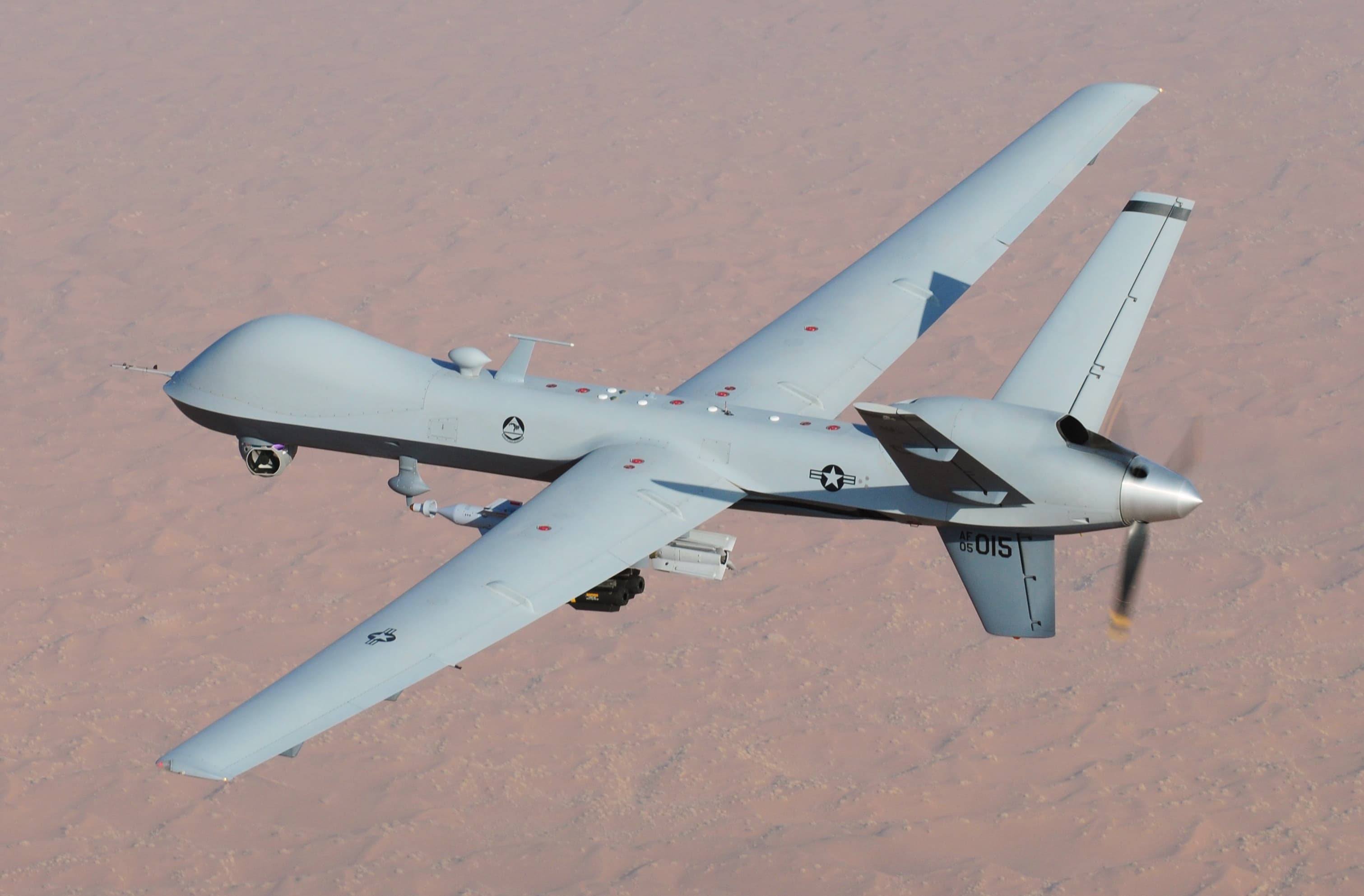
CAIRO — An unmanned aerial vehicle struck a target near Egypt's Suez Canal, prompting immediate security reviews across the vital waterway. Egyptian authorities confirmed the incident, initiating an investigation into its origin and intent.
The Suez Canal handles approximately 12 percent of world trade and a significant portion of daily oil shipments. Disruptions force tankers onto longer, costlier detours around Africa, adding thousands of miles and days to transit times — costs that shipping companies typically pass to consumers through higher energy prices. Geopolitical incidents along the canal can immediately inflate crude oil futures and freight rates, creating advantages for energy producers less reliant on the waterway.
Despite the security concerns, major U.S. equity markets gained ground. The Dow Jones Industrial Average rose 1.3 percent to 52,247, while the Nasdaq climbed 2.9 percent to 25,151. The S&P 500 rose 1.8 percent to close at 7,445. The broad rally suggests investors view the incident as localized rather than a systemic threat to global trade.
The U.S. State Department urged de-escalation, emphasizing the importance of securing international shipping lanes for global economic stability. The Trump administration has prioritized stability in the Middle East to protect energy flows and U.S. economic interests. Diplomatic efforts are underway with regional partners to assess the actors involved and prevent further attacks.
Egypt's Ministry of Defense said it will conduct a comprehensive review of air defense protocols around the Suez Canal and Red Sea approaches, with initial findings to be presented to the Egyptian Parliament within seven days. Global shipping organizations and energy traders are monitoring the developments as they assess any necessary changes to transit advisories for the waterway.