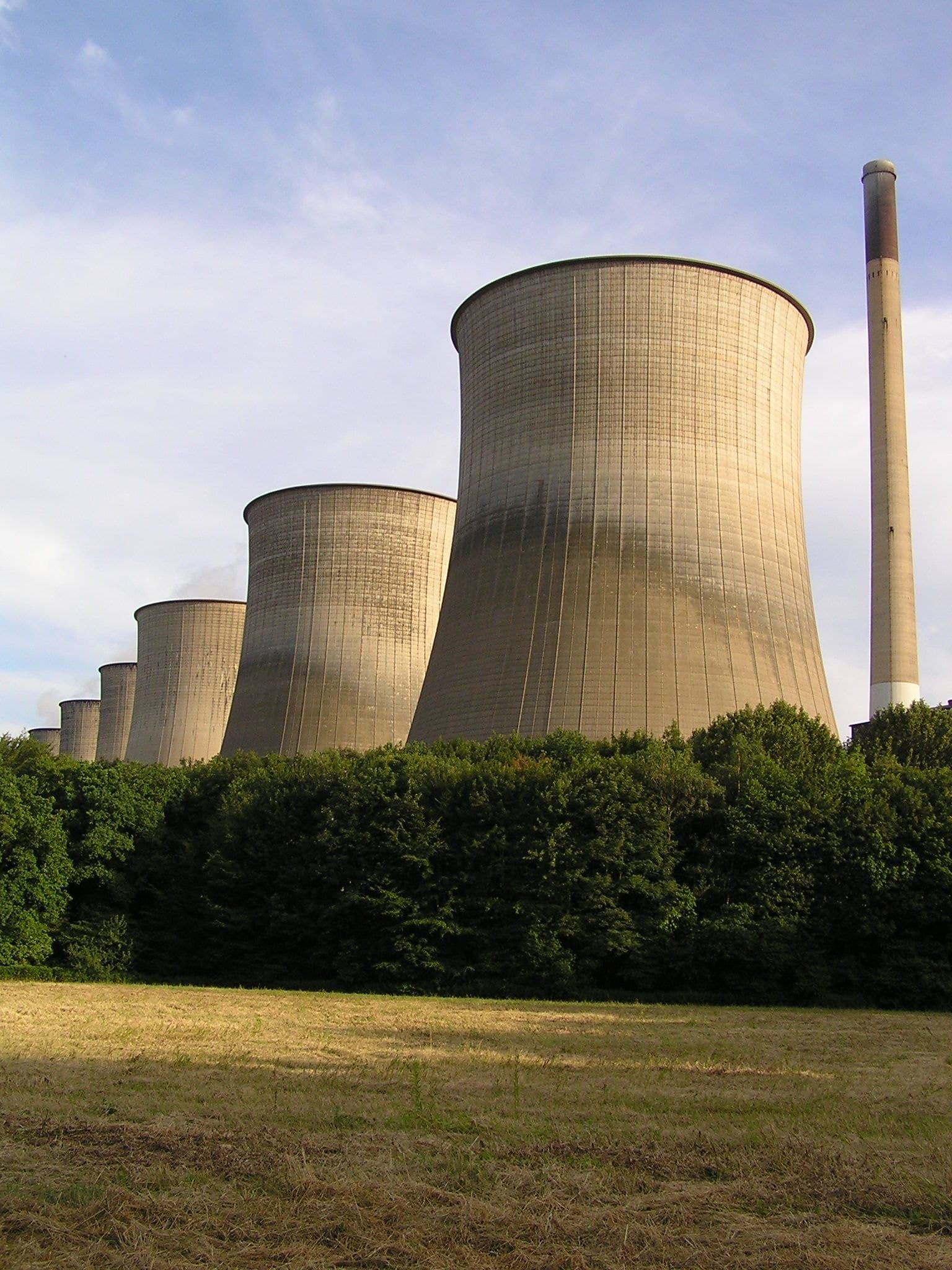
A series of heat waves across Europe has weakened the continent's historically reliable electricity sources. Low river levels and elevated water temperatures have reduced hydropower generation and constrained nuclear plant cooling capabilities, forcing a rapid shift to imported fossil fuels.
The shift comes as European power grids face increased demand for air conditioning during prolonged hot spells. France, a key nuclear power producer, has seen some reactors operate at reduced capacity due to river temperature limits on cooling water discharge.
Germany has increased its reliance on coal-fired power plants to compensate for lower renewable and nuclear output—a move that contradicts the nation's long-term decarbonization goals but provides necessary baseload power during periods of constrained supply.
Higher demand for natural gas and coal has pushed wholesale energy prices up across the continent. The inflationary pressure bears directly on the European Central Bank's mandate, adding to price concerns already embedded in its policy calculus.
Bond markets reflect the stress. Sovereign spreads for energy-import-dependent nations have widened against core European benchmarks. The spread between Italian 10-year BTPs and German 10-year Bunds expanded seven basis points over the past week, signaling increased risk perception.
Utility companies including France's EDF and Germany's RWE face higher fossil fuel input costs even as traditional generation assets underperform. Margin pressure could affect their credit ratings and push borrowing costs higher in the corporate bond market.
The dynamic recalls the energy crisis of 2022, when reduced Russian gas supplies triggered a rare surge in European energy prices. The current challenge is weather-driven, but the underlying vulnerability to external energy shocks remains a concern for fiscal stability.
European Union officials have urged member states to accelerate investments in energy storage and grid modernization. The intermittency of solar and wind becomes more pronounced when baseload capacity is compromised, creating grid stability challenges.
Reliance on liquefied natural gas from the United States and Qatar exposes Europe to geopolitical supply risks and global commodity price swings, adding uncertainty to long-term energy security.
The utility bond market shows early signs of duration risk repricing. Investors are demanding higher yields for longer-dated debt from companies with heavy exposure to volatile energy markets, reflecting uncertainty over future cash flows and regulatory responses.
Governments face pressure to implement energy subsidies or price caps to shield consumers and businesses, further burdening national budgets. Increased sovereign debt issuance to fund that spending would add supply to bond markets and push yields higher across the curve.