NEW YORK — The two-year Treasury yield climbed to 5.18 percent this week, its highest level since late 2024, as a broad selloff extended across the U.S. government bond market. The move signals a direct challenge to the Federal Reserve's inflation credibility, according to Alberto Musalem.
Musalem, a former senior Federal Reserve official, said the market is demanding a higher inflation risk premium. Investors now question the central bank's resolve to bring inflation sustainably to its stated 2 percent goal, he said.
The 10-year Treasury yield rose 12 basis points to 4.87 percent, while the 30-year bond yield climbed 10 basis points to 4.93 percent. The parallel shift across the curve reflects a repricing of future rate expectations and heightened duration risk for bondholders.
Participants are demanding more compensation to hold long-dated debt, fearing future inflation will erode real principal and coupon values if the Fed fails to act decisively. Portfolios with heavy fixed-income exposure bear the most pressure.
The skepticism follows stubborn inflation data. Core Personal Consumption Expenditures, the Fed's preferred gauge, registered 2.9 percent year-over-year in June — above the 2.0 percent target for the 18th consecutive month.
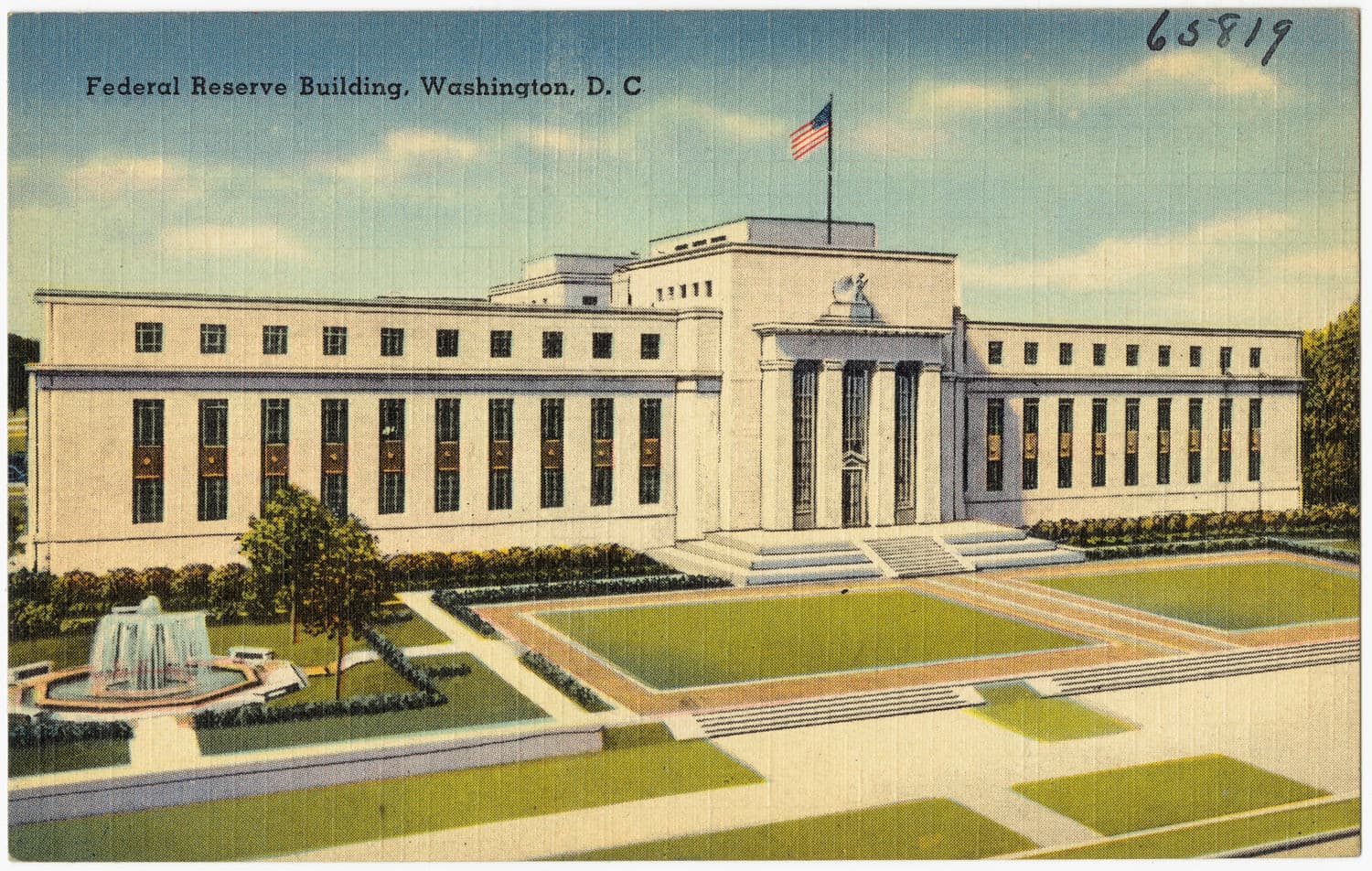
Federal Reserve Chair Kevin Warsh has reiterated the Fed's commitment to price stability. Musalem's assessment suggests the bond market requires stronger action or more explicit communication to restore confidence in the central bank's hawkish stance.
The current environment draws parallels to prior cycles in which markets tested central bank resolve, forcing more aggressive policy responses. Long-end yields have risen more sharply than short-end rates, a dynamic that points to inflation concern rather than growth worry.
Institutional investors — pension funds, insurance companies and asset managers — face capital losses on existing Treasury holdings built under lower yield assumptions.
Record U.S. government borrowing needs add to the pressure. The Treasury Department plans to issue $1.2 trillion in net new debt during the second half of 2026.
The market now awaits the Federal Open Market Committee's next policy statement on Sept. 18. Traders will scrutinize any language changes or forward guidance signaling a firmer commitment to fighting inflation. Stronger rhetoric from Warsh could help anchor long-term inflation expectations.
Higher Treasury yields lift borrowing costs across markets — corporate spreads over Treasuries widen funding costs for companies, and consumer lending rates on mortgages and other credit products move higher in tandem.
Bank stocks showed mixed reactions. JPMorgan Chase & Co. rose 1.2 percent, benefiting from the prospect of wider net interest margins. Financial institutions carrying large bond portfolios face mark-to-market losses as prices fall.