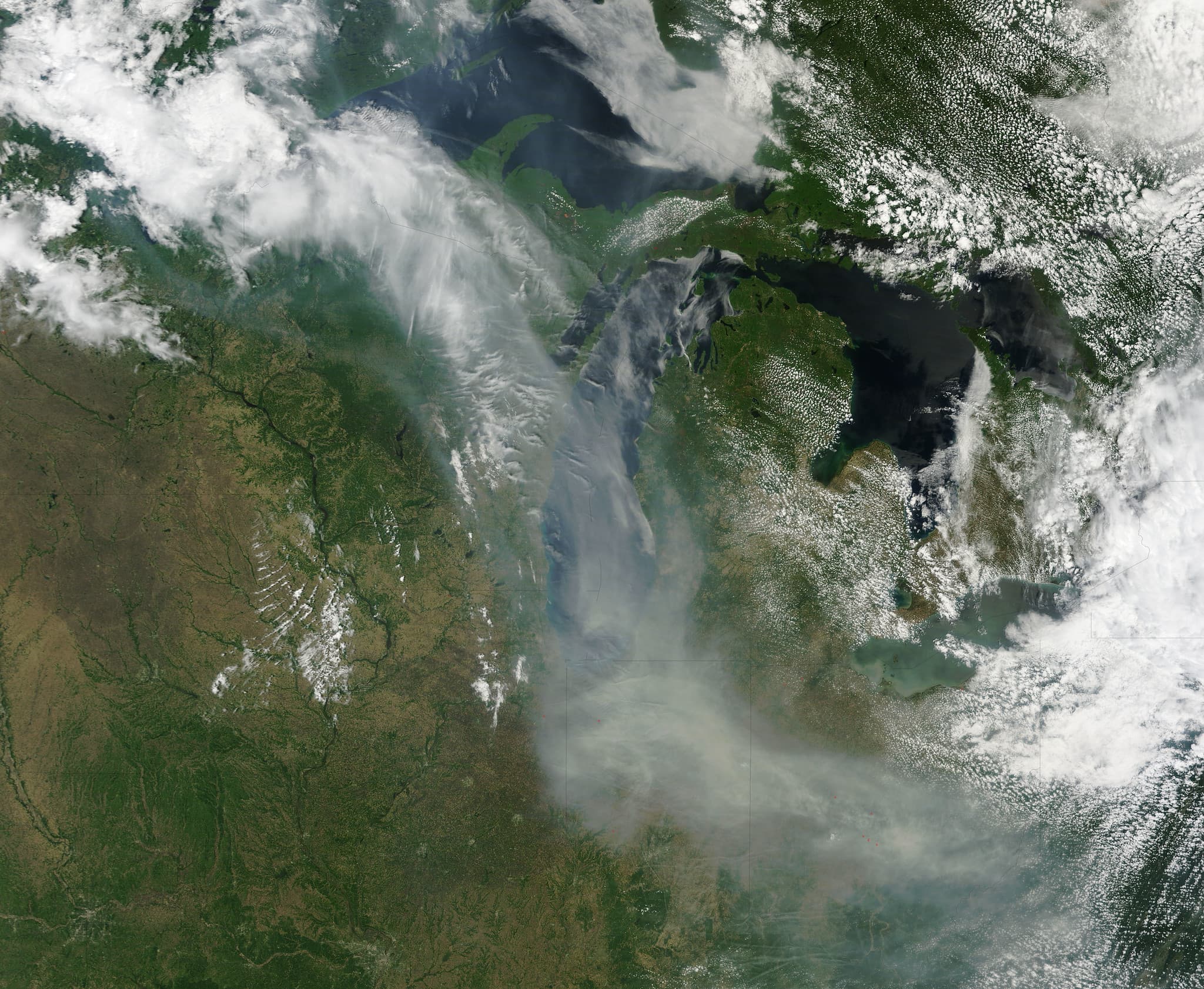
WASHINGTON — The United States wildfire season has intensified, with 45,835 fires burning more than 5.2 million acres nationwide so far this year — surpassing the 10-year average for both the number of fires and total acreage, according to the National Interagency Fire Center.
99 large fires remain active across the country. Federal and state agencies have deployed 27,934 firefighters and support personnel to manage the blazes, drawing on 576 crews, 1,715 engines and 212 helicopters across multiple states.
In the Northwest alone, 4,045 fires have been reported this year — including 2,232 in Oregon and 1,806 in Washington — exceeding the region's 10-year average of 3,765 fires. Acres burned in the Northwest far exceed the regional 10-year average of 1,089,697 acres, driving much of the national surge.
The 2026 wildfire season has already extended by two to three months compared with the 1970s in many Western states. Individual fires are also growing larger; the United States recorded its first gigafire in recent years, reflecting a shift in fire behavior.
Climate extremes are fueling the fires, experts say. Fire activity is mirroring conditions normally not seen until later in the season, according to a recent National Interagency Fire Center advisory, forcing agencies to mobilize resources ahead of schedule.
The U.S. Forest Service and Bureau of Land Management coordinate with state and local entities to manage the crisis. The sustained fire activity is straining budgets and long-term planning for land management agencies.
Communities in affected regions face evacuations and property losses. Prolonged smoke and degraded air quality present public health challenges across broad geographic areas.
President Trump has pushed for increased forest management and fire prevention measures. The current fire season shows how far those efforts remain from containing large-scale wildfires across diverse Western landscapes.