WASHINGTON — The U.S. dollar fell sharply Monday against the Japanese yen, dropping 1.1 percent to 148.5 per dollar from 150.2 earlier in the session, after both governments confirmed they had intervened in currency markets—a move that caught traders who had positioned for continued dollar strength off guard.
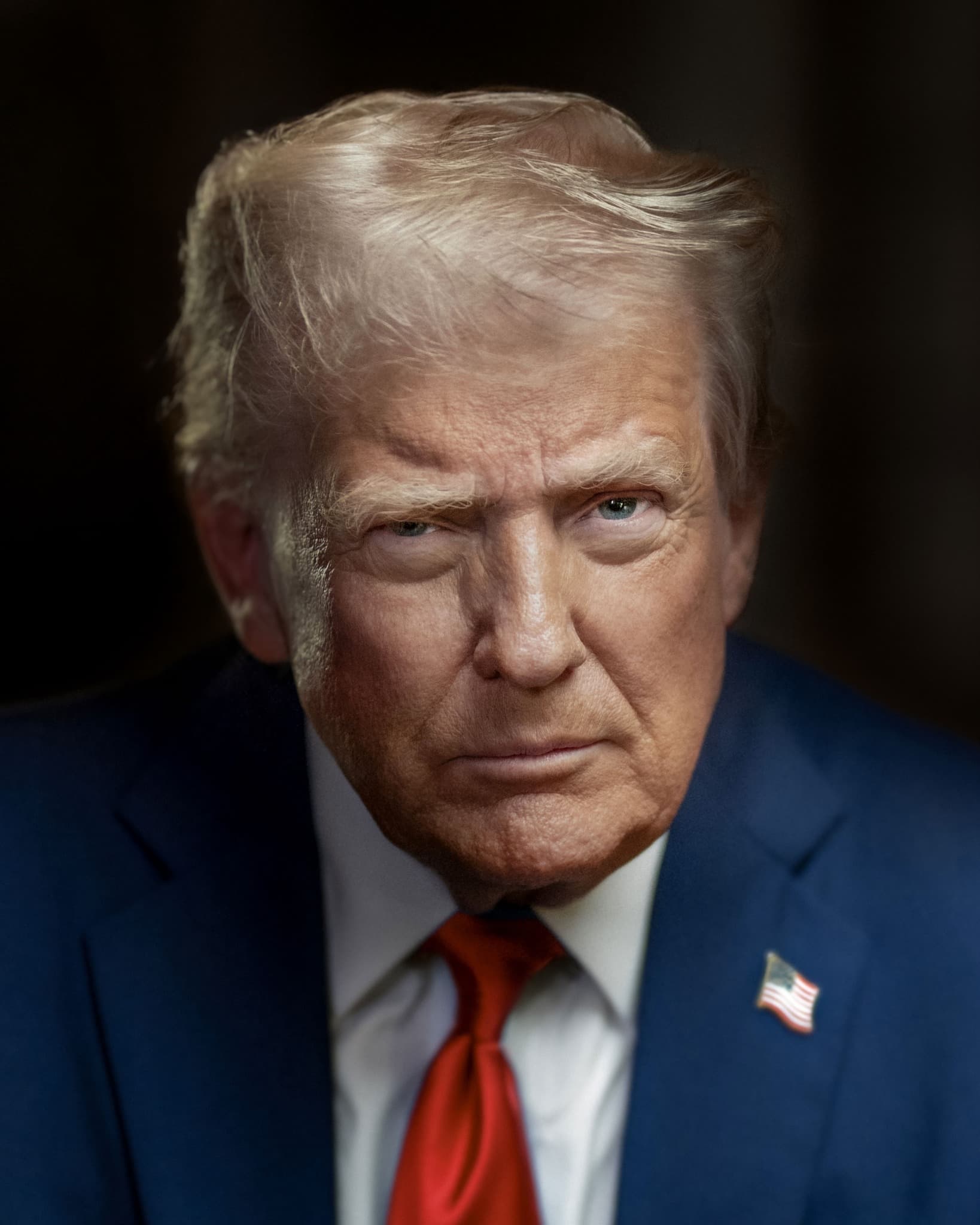
President Trump said the intervention aimed to stabilize the dollar's value in global markets. Japan's finance minister said the move sought to curb excessive yen weakness, which has pressured import costs and domestic consumption. The confirmation followed weeks of speculation about official efforts to manage exchange rates.
U.S. Treasury yields declined modestly in response. The two-year yield fell three basis points to 4.86 percent as investors unwound duration risk, pricing in a potentially less hawkish Federal Reserve if currency strength becomes a policy objective. The 2s10s spread tightened one basis point, reflecting reduced expectations for long-term inflation or growth.
The Federal Reserve's path on interest rates now faces additional scrutiny: if currency strength becomes a primary policy tool, pressure for future rate hikes could ease. Market participants will watch whether this marks a shift toward more active currency management among G7 nations and what that means for capital flows and asset allocation.
Equity markets welcomed the perceived stability. The Nasdaq Composite rose 1.0 percent to 25,374 and the S&P 500 gained 0.7 percent to 7,490.
The Bank of Japan is scheduled to release its Summary of Opinions from its latest monetary policy meeting on Aug. 15, offering further insight into the central bank's tolerance for yen fluctuations. The Federal Open Market Committee concludes its next meeting on Sept. 18, when policymakers will assess the full impact of the intervention.