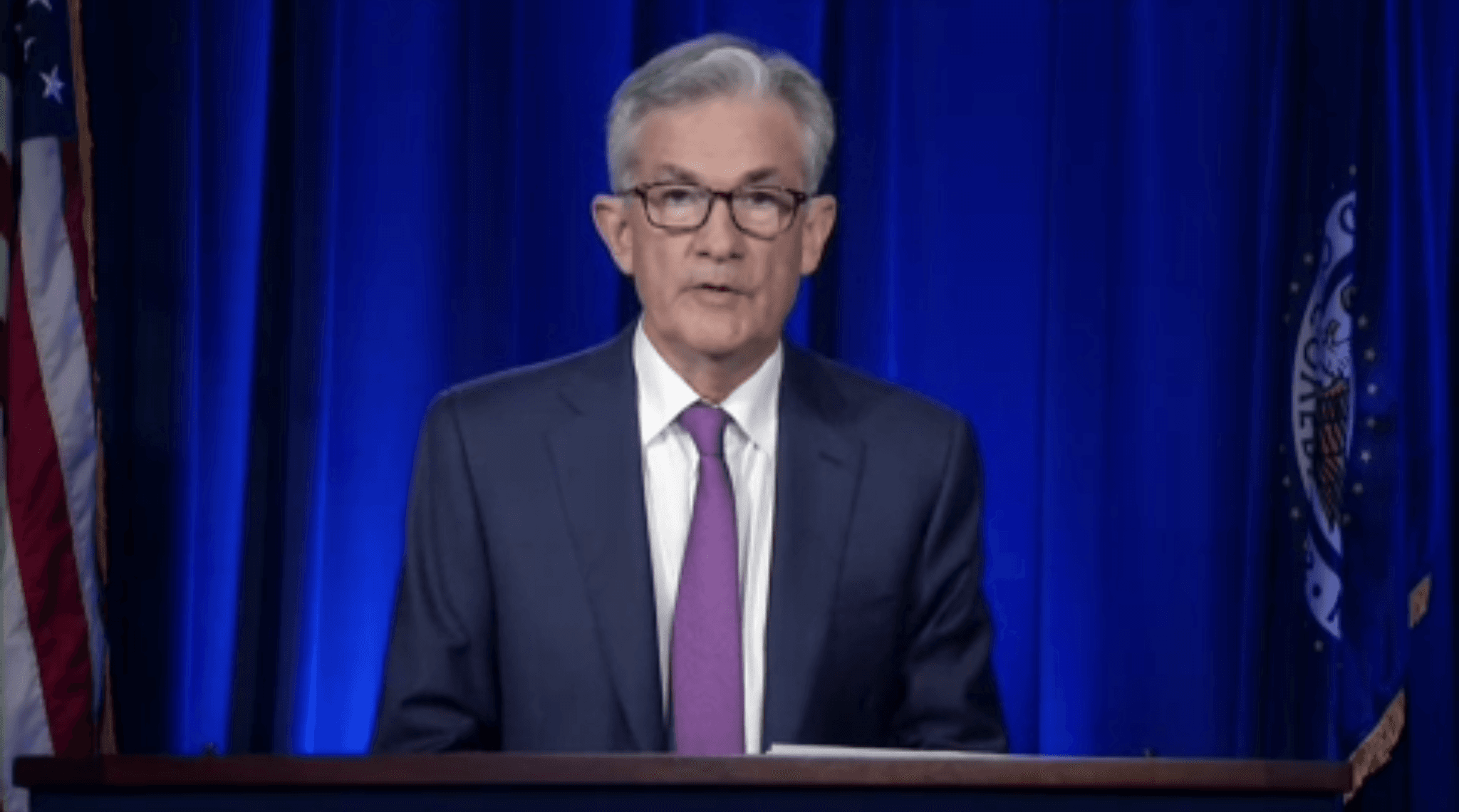
The dominant narrative in fixed income today continues to be the relentless hawkish stance adopted by major central banks, particularly the Federal Reserve. Remarks from various Fed governors, echoing Chair Jerome Powell's recent cautious tone, indicate a firm commitment to maintaining restrictive policy for an extended period. This 'hawkish' posturing, much like a dominant home team, is effectively shutting down any lingering hope for aggressive rate cuts, forcing institutional investors to recalibrate their yield curve strategies and duration exposures.
Bond yields across the curve have responded predictably, with the 2-year Treasury yield pushing higher and the 10-year yield struggling to break lower, reflecting sustained inflation concerns and a hawkish Fed. The U.S. Dollar Index (DXY) has strengthened, reflecting the attractive carry trade as other central banks potentially lag the Fed's tightening cycle. Equity markets, particularly rate-sensitive growth stocks, have reacted negatively; the Nasdaq is down 2.1%, the S&P 500 is off 1.7%, and the Dow Jones has fallen 1.7%. Gold, often seen as a safe haven, has shown resilience but faces headwinds from a stronger dollar and higher real yields.
This current environment draws parallels to earlier tightening cycles where central banks, having underestimated inflationary pressures, were forced to overcorrect. Unlike the swift, aggressive hikes of 2022-2023, the current phase is characterized by a 'higher for longer' mentality, reminiscent of the early 2000s when the Fed maintained a restrictive stance for an extended period to fully anchor inflation expectations. The market's initial optimism for a rapid pivot has been systematically dismantled by persistent economic data and unambiguous central bank communication, indicating a more protracted battle against sticky inflation.
The Federal Reserve, under Chair Powell, remains steadfast in its dual mandate, prioritizing inflation control even at the expense of short-term economic growth. While the European Central Bank (ECB) and Bank of Japan (BOJ) face their own unique challenges, the Fed's actions exert a significant gravitational pull on global monetary policy. The forward guidance from Washington is clear: until there is unequivocal evidence of inflation sustainably returning to the 2% target, policy will remain restrictive. This stance forces a re-evaluation of carry trades and funding costs for global financial institutions.
In the fixed income space, the yield curve remains inverted, with the 2s10s spread deeply negative, signaling continued recession fears despite resilient economic data. This inversion, historically a reliable recession indicator, is now compounded by the 'higher for longer' narrative, making duration management particularly challenging. Investors like PIMCO and BlackRock are likely extending their underweight duration positions, favoring shorter-dated instruments and focusing on credit spread compression in higher-quality assets. The hunt for yield is pushing institutions into less liquid credit segments, but with a keen eye on potential defaults as funding costs remain elevated for weaker borrowers.
Cross-asset implications are profound. Equities, especially those with long duration characteristics like technology stocks (NVDA down 2.2%, Meta down 4.0%, Amazon down 4.0%), are under pressure as higher discount rates erode future earnings valuations. Bitcoin, trading at $66,740, and Ethereum, at $2,018, show some resilience but are not immune to broader risk-off sentiment, evidenced by the Crypto Fear & Greed Index at 12 (Extreme Fear). Commodities, while benefiting from supply-side constraints, face demand destruction risks from a slowing global economy. Real estate, particularly commercial real estate, continues to grapple with rising borrowing costs and refinancing challenges.
Looking ahead, the market will intently scrutinize upcoming inflation reports, particularly the next CPI and PCE releases, alongside labor market data. The next Federal Open Market Committee (FOMC) meeting will provide crucial insights into any shifts in the Fed's assessment, though a policy change appears unlikely in the immediate term. Scenario analysis suggests that a significant disinflationary surprise or a sharp economic downturn would be required to shift the Fed's stance, neither of which appears imminent. The current trajectory points to continued volatility and a challenging environment for active managers seeking alpha.
The bottom line for Gokhshtein Media readers is clear: the bond market is pricing in an extended period of elevated interest rates. Investors must adjust their portfolios for persistent inflation, a hawkish Fed, and a potentially steeper yield curve inversion. Duration risk remains a primary concern, and prudent portfolio construction demands a focus on capital preservation and diversification across asset classes that can withstand a 'higher for longer' interest rate regime. The era of cheap money is definitively over, and institutions are adapting to a new, more disciplined financial landscape.