NEW YORK — The International Monetary Fund sharply downgraded its 2026 global economic growth forecast to 2.5 percent, a significant reduction from its earlier projection of 3.2 percent, attributing the revision directly to the escalating conflict in the Middle East. This assessment, detailed in its latest World Economic Outlook update, underscored the impact of geopolitical instability on global supply chains and energy markets. The IMF warned that persistent disruptions in key shipping lanes and a potential surge in crude oil prices could fuel an inflation resurgence, revising its average global inflation forecast for 2026 upward to 4.5 percent from 3.0 percent. The report highlighted the dual threat of slowing growth and accelerating price pressures, painting a challenging picture for economies already navigating post-pandemic complexities.
Bond markets immediately reflected a flight to safety and concerns over future growth, with U.S. Treasury yields falling across the curve. The benchmark 10-year Treasury yield dropped by 15 basis points in early trading, signaling heightened demand amid the uncertainty. The U.S. Dollar Index strengthened by 0.7 percent against a basket of major currencies, reinforcing its status as a premier safe-haven asset. Equity markets reacted negatively, with the Dow Jones Industrial Average down 0.6 percent and the S&P 500 Index losing 0.1 percent, although the Nasdaq Composite Index showed resilience, gaining 0.4 percent. Gold prices climbed as investors sought traditional stores of value, while risk assets like Bitcoin and Ethereum saw declines, trading at $70,989 and $2,195 respectively, both down 0.9 percent over the past 24 hours.
This environment draws parallels to historical periods defined by geopolitical commodity shocks, such as the oil crises of the 1970s and the first Gulf War. In those cycles, bond markets grappled with stagflation—a combination of high inflation and stagnant economic growth. Today, the immediate concern is how effectively global supply chains can absorb the shocks emanating from the Middle East without triggering a sustained inflationary spiral that central banks might be ill-equipped to combat without crushing demand.
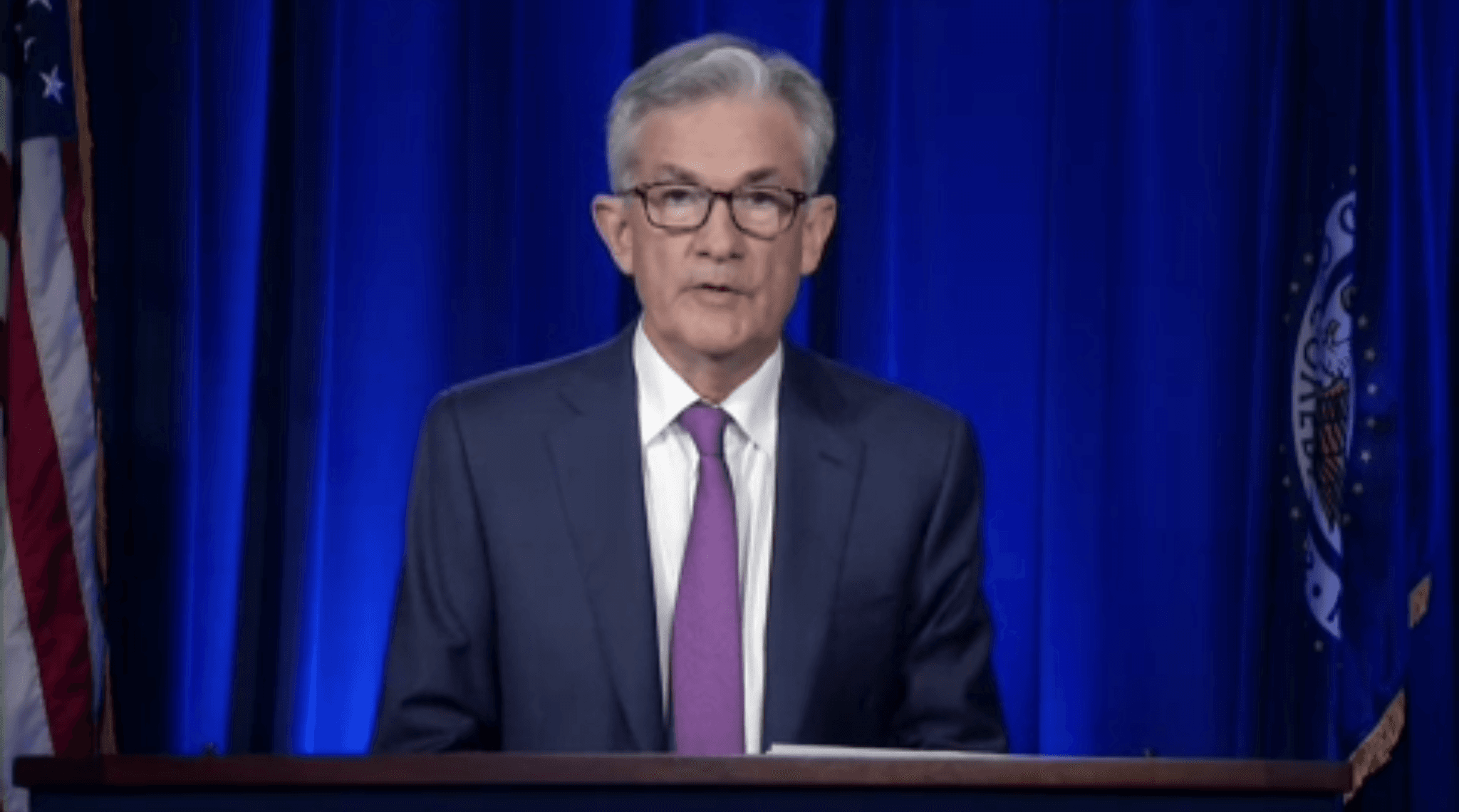
Central banks worldwide face a dilemma, caught between the imperative to tame inflation and the need to support faltering economic growth. Federal Reserve Chair Jerome Powell, alongside European Central Bank President Christine Lagarde and Bank of Japan Gov. Kazuo Ueda, must now calibrate monetary policy against a backdrop of external shocks rather than purely domestic demand-side pressures. The narrative of "higher for longer" on interest rates, prevalent throughout 2024 and 2025, now confronts the reality of potential stagflationary forces, which could necessitate a premature pivot toward accommodative policies to avert a deeper recession, even if inflation remains elevated. This dual mandate challenge is magnified by the supply-side nature of the current inflationary impulse, which monetary policy is less effective at addressing directly.
Within fixed income, the implications are demanding meticulous duration risk management and careful credit analysis. The yield curve has already shown signs of further flattening, with the two-year to 10-year Treasury spread compressing as short-term rates remain anchored by sticky inflation and long-term rates reflect deteriorating growth prospects. Credit spreads, particularly for high-yield corporate bonds and emerging market debt, are expected to widen significantly as risk aversion intensifies and default probabilities rise in a slowing economy. Institutional investors, including large pension funds and asset managers like BlackRock and Vanguard, are now likely re-evaluating their exposures to longer-duration assets and lower-quality credit, prioritizing capital preservation and liquidity over yield enhancement.
Across other asset classes, the darkening outlook promises increased volatility. Equities face significant headwinds, with potential for deeper corrections as corporate earnings forecasts come under pressure from higher input costs and reduced consumer demand. While some mega-cap technology stocks like Tesla and Amazon showed positive movement, the broader market, as indicated by the Russell 2000's 0.2 percent decline, reflects cautious sentiment. The crypto market, often seen as a risk-on barometer, is aligning with traditional equities in this downturn, with Bitcoin and Ethereum experiencing losses. The Crypto Fear & Greed Index registering at 12, indicating extreme fear, underscores the market's current trepidation. Commodities, especially crude oil, are poised for potentially significant price spikes due to supply disruptions, while industrial metals might suffer from reduced global manufacturing activity.
Market participants will keenly monitor upcoming economic data releases, particularly global Purchasing Managers' Index readings and inflation metrics like the Consumer Price Index and Producer Price Index, for further evidence of economic deceleration and inflationary pressures. The next Federal Open Market Committee meeting, along with scheduled policy reviews by the ECB and BOJ, will be critical junctures for central bank forward guidance. Scenario analysis now centers on the duration and intensity of the conflict, with a prolonged escalation implying sustained commodity price shocks and a deeper global downturn, while any signs of de-escalation could provide a much-needed, albeit temporary, reprieve for risk assets.
Geopolitical risk has rapidly emerged as the dominant factor dictating the global macro outlook, overshadowing conventional monetary policy considerations. Investors face an exceptionally complex and challenging landscape where traditional correlations may break down and capital preservation becomes paramount. The current environment demands a defensive posture, a focus on high-quality assets and an acute awareness of tail risks stemming from an unpredictable geopolitical arena. The era of predictable rate cycles has given way to an era where geopolitical events dictate the rhythm of global markets, demanding agility and foresight from all participants.