The recent meeting between Citadel CEO Ken Griffin and New York Governor Kathy Hochul, occurring amidst a simmering "NYC Spat," signals a critical inflection point for the economic trajectory of the United States' preeminent financial hub. While the precise details of the ongoing disagreement remain undisclosed, the very existence of such high-level friction between a major capital allocator and state leadership underscores growing concerns about New York's business environment and its capacity to retain key financial institutions. This policy uncertainty, particularly regarding potential shifts in taxation or regulation, carries significant macroeconomic implications, threatening to impact local tax revenues, employment figures, and ultimately, New York's overall contribution to the national gross domestic product.
Market participants are closely monitoring the situation for ripple effects across fixed income and equity markets. While the broader S&P 500 rallied 0.3 percent to $7,230 and the Nasdaq surged 0.9 percent to $25,114 today, driven by tech sector strength, localized concerns could manifest differently. The specter of capital reallocation from New York could lead to a widening of credit spreads on New York State and City municipal bonds, as investors price in increased fiscal risk and potential revenue shortfalls. Any perceived deterioration in the state’s fiscal health would naturally translate into higher borrowing costs for New York, a tangible market reaction to policy uncertainty that directly impacts the cost of public services and infrastructure projects.
Historically, cities and states that have introduced policies perceived as unfavorable to businesses, particularly the financial sector, have often faced significant economic consequences, including job losses and diminished tax bases. The 1970s New York City fiscal crisis serves as a stark reminder of how rapidly investor confidence can erode when municipal finances are seen as unstable, leading to a dramatic repricing of long-term debt. More recently, states like California and Illinois have grappled with out-migration of both businesses and high-net-worth individuals, demonstrating the sensitivity of capital to tax and regulatory environments, a dynamic that the current "spat" in New York City could exacerbate.
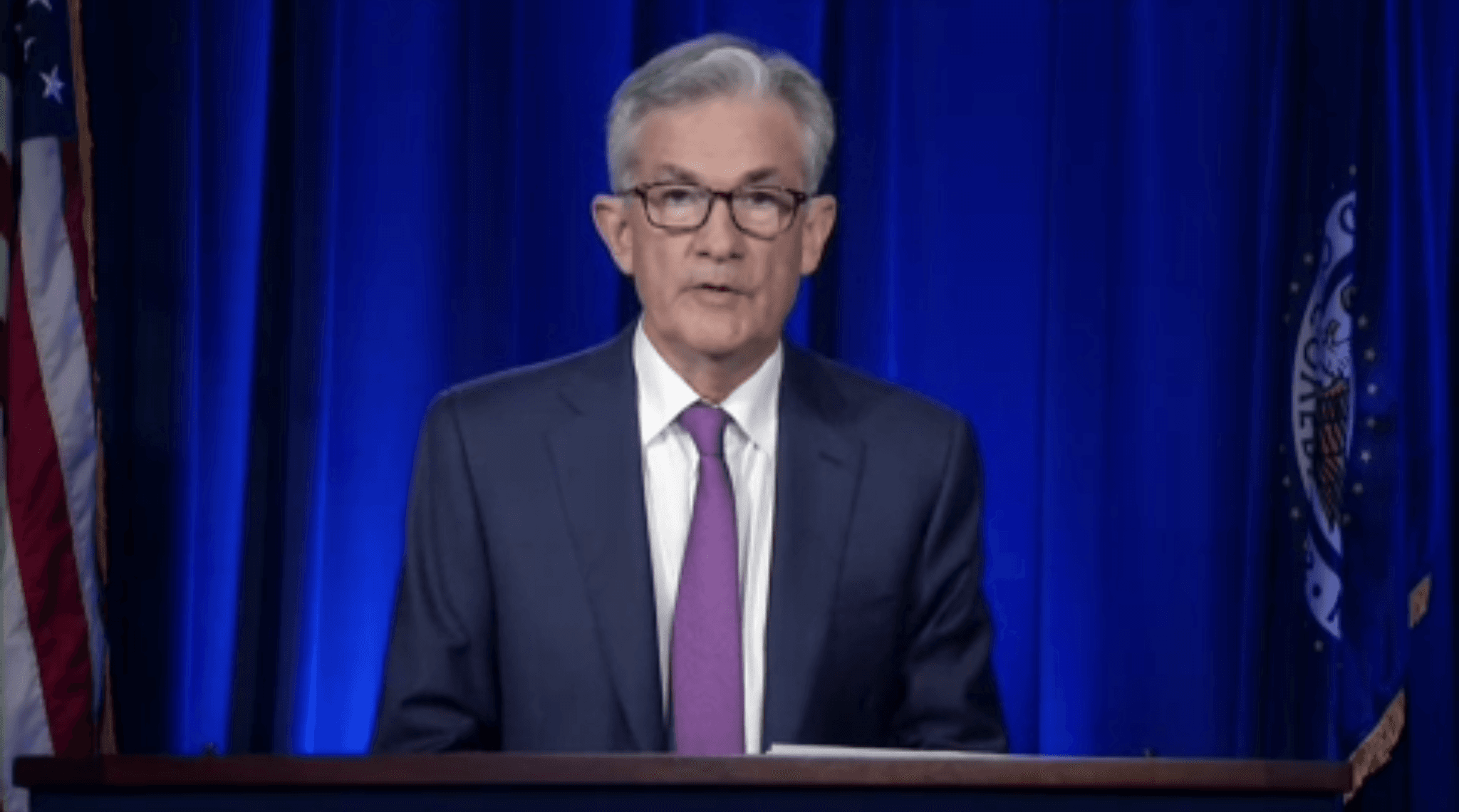
From the Federal Reserve’s vantage point, such regional economic tensions, while localized, are integral to its assessment of overall U.S. economic health and the efficacy of monetary policy. Federal Reserve Chair Jerome Powell and the Federal Open Market Committee consistently analyze regional Beige Book reports and state-level economic indicators to gauge the broader economic landscape. Persistent policy-induced capital flight or a significant downturn in New York’s financial sector could introduce headwinds to national growth, potentially influencing the Fed’s forward guidance on interest rates and its efforts to manage inflation, particularly if it impacts labor market dynamics or investment spending at a national scale.
Fixed-income investors, especially those holding exposure to municipal bonds, must meticulously re-evaluate duration risk and credit quality within New York's debt instruments. A sustained period of policy uncertainty and potential capital exodus could pressure New York's long-term fiscal solvency, pushing up yields on its municipal bonds and causing spread compression relative to safer U.S. Treasury benchmarks to reverse. For institutional portfolios heavily weighted towards state and local government debt, the need for rigorous credit analysis becomes paramount, as the perceived stability of a major financial center’s tax base directly correlates with its ability to service its obligations, thereby influencing bond valuations and overall portfolio performance.
Cross-asset implications extend beyond traditional fixed income, impacting real estate markets, regional banking stocks, and potentially even the broader equity market’s sentiment toward financial sector stability. New York City's commercial and residential real estate, already navigating post-pandemic shifts, would face renewed pressure from any significant reduction in the financial workforce or corporate presence. Regional banks with substantial lending exposure to New York businesses and real estate could see their asset quality diminish, while investor confidence in the broader U.S. financial system might wane if a key hub experiences prolonged economic strain. Even crypto markets, with Bitcoin trading at $78,424 and Ethereum at $2,306, could experience indirect effects as overall risk sentiment shifts, given the increasing integration of digital assets into institutional portfolios.
Looking ahead, the resolution of this "NYC Spat" will be a critical determinant for New York’s economic competitiveness and its standing as a global financial capital. Market participants will scrutinize upcoming state budget proposals, legislative actions, and any further public statements from Governor Hochul or prominent financial leaders like Griffin for clues regarding policy direction. The long-term implications for New York’s tax base, its ability to attract and retain top talent, and its municipal bond ratings hinge on the perceived stability and predictability of its regulatory and fiscal environment, shaping investment decisions for years to come.
The bottom line for Gokhshtein Media is clear: the friction between New York’s political leadership and its financial industry is more than a local dispute; it is a macro-relevant indicator of policy risk that institutional investors cannot ignore. The potential for capital reallocation and fiscal strain in a major economic engine like New York demands heightened vigilance from fixed-income managers and cross-asset allocators. While the Federal Reserve navigates its path toward rate normalization, state-level policy decisions that impact business confidence and capital flows will increasingly factor into the broader economic narrative, influencing everything from municipal bond yields to the overall risk premium demanded by investors across global markets.