Global fixed-income markets are bracing for an elevated geopolitical risk premium following Senator Lindsey Graham's assertive declaration that the United States should "finish the job" if Iran does not yield. This hawkish rhetoric, emerging from a key voice in U.S. foreign policy, immediately cast a shadow over an already fragile macroeconomic landscape, introducing a tangible threat of supply-side inflation via energy markets. While immediate oil price spikes were contained, the implied risk of disruption in the Strait of Hormuz and broader Middle East region now demands a higher premium across commodities, directly impacting future inflation expectations and the Federal Reserve's policy calculus.
The bond market's initial reaction was a subtle shift towards safe-haven assets, though not a wholesale flight to quality given the absence of an immediate kinetic event. Long-dated U.S. Treasury yields, which typically decline in such scenarios, showed minor compression as institutional investors pondered the implications for global growth and potential future rate cuts. The Dow Jones Industrial Average closed down 0.3 percent at $49,499, while the S&P 500 gained 0.3 percent to $7,230 and the Nasdaq Composite climbed 0.9 percent to $25,114, indicating a mixed equity response where growth stocks maintained some resilience despite the rising geopolitical temperature. This divergence suggests that while the market acknowledges the risk, it is not yet fully pricing in a severe escalation, maintaining a cautious wait-and-see approach.
Historically, geopolitical shocks involving major oil-producing regions have consistently translated into significant inflationary pressures and subsequent shifts in central bank policy. The 1973 oil embargo, the 1990 Gulf War, and the 2003 invasion of Iraq all serve as stark reminders of how quickly supply-side disruptions can derail carefully laid monetary policy plans. Each event forced the Federal Reserve to confront the difficult trade-off between combating inflation and supporting economic growth, often leading to prolonged periods of yield curve volatility and increased duration risk for bondholders. The current environment, already grappling with persistent inflation above the Fed's two percent target, leaves less room for error, making any escalation in the Middle East a particularly potent threat.
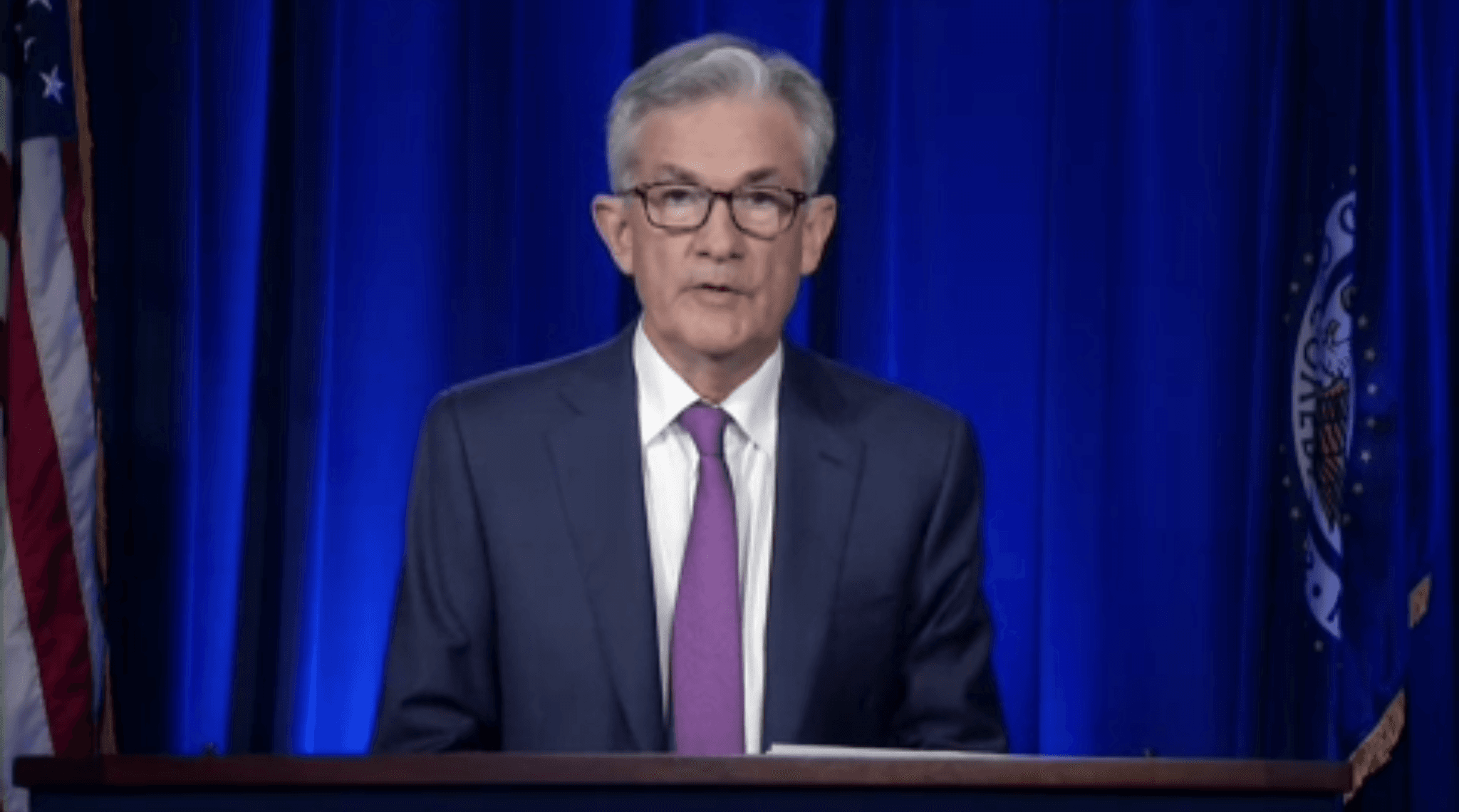
From the Federal Reserve's perspective, heightened geopolitical risk complicates an already intricate path towards achieving both price stability and maximum employment. Chair Jerome Powell and the Federal Open Market Committee have consistently emphasized data dependency, but exogenous shocks like a potential conflict in the Middle East introduce an uncontrollable variable that can swiftly alter the inflation trajectory. If oil prices surge due to supply disruptions, the Fed could face renewed pressure to maintain a tighter monetary policy for longer, potentially even reversing its current stance of gradual easing or holding rates steady. This scenario would challenge the market's current expectation for future rate adjustments, putting further upward pressure on the front end of the yield curve.
Fixed income portfolio managers are now critically assessing duration risk and credit spreads in light of these developments. A sustained increase in geopolitical tensions and commodity prices would likely lead to a flattening of the yield curve, as flight-to-quality demand pushes down long-end Treasury yields while inflation expectations keep the front end firm or even rising. Investment-grade corporate bond spreads could widen against Treasuries if economic uncertainty increases, while high-yield credit, particularly in energy-intensive sectors, faces a more nuanced risk-reward profile. Active management of duration, potentially shortening exposure, becomes paramount to mitigate the impact of unexpected rate movements driven by external shocks, forcing a defensive posture for many institutional funds.
The cross-asset implications are far-reaching. In equities, sectors highly sensitive to consumer spending and energy costs, such as airlines and transportation, would likely face headwinds. Technology giants, including Apple at $280.14 and Microsoft at $414.44, typically thrive in low-rate environments, and any shift towards higher-for-longer rates due to inflation could introduce valuation concerns, albeit their strong balance sheets offer some resilience. Bitcoin, currently trading at $78,383, and Ethereum at $2,305, often exhibit characteristics of both risk-on assets and digital safe havens; in this scenario, their volatility could increase as investors weigh their role in a disrupted global economy. Commodities, especially crude oil, would be the most direct beneficiaries of elevated tensions, while gold, not listed with a current price, would likely see strong directional tailwinds as a traditional safe-haven asset.
Looking forward, the market will intently monitor any further rhetoric from U.S. policymakers and Iranian officials, along with intelligence reports on regional military movements. Key economic data releases, including upcoming CPI and PCE inflation prints, will be scrutinized for any signs of an accelerating pass-through from geopolitical risk to consumer prices. Upcoming Federal Reserve speeches and the minutes from the next FOMC meeting will be dissected for any subtle shifts in their reaction function to external shocks. Scenario analysis now includes a wider range of outcomes for the Middle East, each with distinct implications for bond yields, inflation, and the probability of future rate adjustments, requiring dynamic portfolio positioning.
The bottom line for fixed-income investors is clear: the era of benign geopolitical influence on monetary policy is over. Senator Graham's statements serve as a stark reminder that exogenous shocks, particularly from the Middle East, remain a potent force capable of derailing carefully constructed economic forecasts and central bank strategies. Gokhshtein Media maintains that portfolio allocations must now explicitly factor in a higher geopolitical risk premium, demanding greater agility in duration management and a vigilant eye on commodity markets. The path to normalized inflation and stable rates has just become significantly more complex, ushering in a period where macro-driven volatility will likely dominate bond market performance for the foreseeable future.