The $2.2 billion acquisition of Candid Therapeutics by Belgian pharmaceutical giant UCB stands as a powerful testament to the strategic deployment of capital within a macroeconomic landscape increasingly defined by nuanced interest rate expectations and persistent corporate growth imperatives. This significant transaction, targeting a U.S. biotech firm specializing in immunology, reflects deep corporate confidence in future revenue streams and a calculated assessment of the prevailing cost of capital. While not a direct response to a singular new macro data release or central bank intervention, the deal's magnitude and its focus on high-growth sectors are highly indicative of broader market conditions where companies are actively seeking inorganic growth, navigating a rate environment that continues to be a dominant factor in financing costs and asset valuations across global industries. Such substantial investments suggest that despite ongoing inflation concerns, the market perceives a degree of stability that encourages long-term strategic plays.
Market reactions across global indices today offered a mixed but generally supportive backdrop for such corporate maneuvers. The Nasdaq composite, a bellwether for technology and growth-oriented sectors, rose 0.9 percent to $25,114, while the S&P 500 also gained 0.3 percent, closing at $7,230. Conversely, the Dow Jones Industrial Average saw a slight dip of 0.3 percent, settling at $49,499. This bifurcated performance suggests a market discerning between sectors, with growth-focused areas demonstrating resilience. The M&A activity, particularly in a defensive sector like pharmaceuticals, can be viewed as a flight to quality or a pursuit of stable earnings growth, which indirectly influences bond yields by shifting investor preferences between equity risk and fixed-income safety. The dollar index, though not directly provided, would typically reflect shifts in global capital flows tied to such cross-border transactions and underlying economic sentiment.
Historically, robust M&A cycles like the one evidenced by the UCB-Candid deal often coincide with periods of either declining or relatively stable interest rates, coupled with ample liquidity. The current environment, while past the peak of the aggressive hiking cycle seen in 2022-2023, still presents a higher cost of capital compared to the ultra-low rates that fueled a flurry of activity post-financial crisis. However, corporations have adapted, leveraging strong balance sheets and strategic debt issuance where feasible. This current wave of consolidation, particularly in specialized biotech, mirrors past cycles where larger entities absorbed innovative smaller players to diversify pipelines and secure intellectual property, often preceding periods of sustained economic expansion or technological breakthroughs. The ability for a company to fund a $2.2 billion acquisition suggests that access to capital, while more expensive than before, is still robust for creditworthy borrowers.
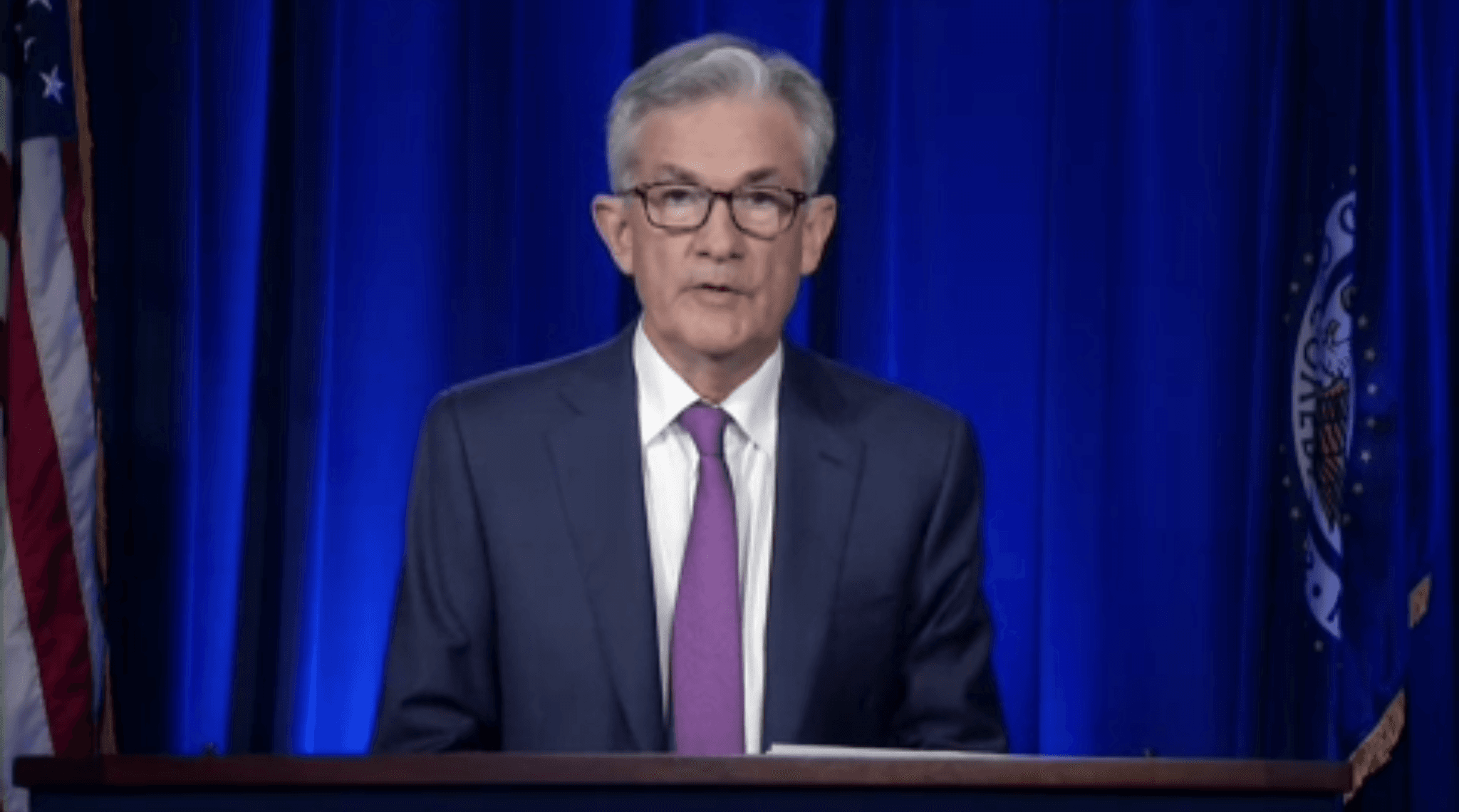
From a central bank perspective, large-scale M&A activity, particularly in a vital sector like pharmaceuticals, offers a multifaceted signal. Federal Reserve Chair Jerome Powell and his counterparts at the European Central Bank and Bank of Japan closely monitor such corporate investment as an indicator of underlying economic health and future growth potential. While M&A itself is not a direct input for monetary policy, a consistent trend of significant acquisitions can suggest that financial conditions are sufficiently accommodative to allow for strategic expansion, potentially impacting long-term inflation outlooks and productivity. Conversely, an overheated M&A market could signal excessive liquidity or risk-taking, prompting central bankers to consider tighter financial conditions. For now, the Fed's stance remains data-dependent, with an eye on maintaining price stability while supporting maximum sustainable employment, and corporate activity provides additional color to that assessment.
For fixed-income investors, the UCB-Candid transaction carries important implications for credit spreads and duration risk. A $2.2 billion acquisition often involves a mix of cash, equity, and debt financing. If UCB opts for significant debt issuance, it could lead to marginal spread compression in the pharmaceutical credit sector, reflecting increased supply and potentially a re-evaluation of credit quality for both the acquiring and target entities. This type of strategic debt would add duration to many institutional portfolios, particularly those holding investment-grade corporate bonds. Furthermore, the yield curve's shape — whether inverted, flat, or steep — dictates the cost and attractiveness of long-term financing for such deals. A flatter curve might make longer-term debt relatively less expensive compared to short-term borrowing, influencing corporate treasury decisions and the overall risk appetite within credit markets, pushing investors further out the curve for yield.
The cross-asset implications of this M&A trend are noteworthy. In equities, the pharmaceutical sector could see renewed interest, with potential for re-ratings of both UCB and other biotech firms as investors anticipate further consolidation and innovation. The broader equity market, as evidenced by the Nasdaq and S&P 500 gains, interprets such deals as a sign of corporate vitality and strategic maneuvering in a competitive landscape. For cryptocurrencies, which often act as a barometer for risk-on sentiment, the stable market conditions enabling such large-scale M&A contribute to a supportive environment; Bitcoin currently trades at $79,162 and Ethereum at $2,343, both showing modest gains. Commodities, particularly industrial metals, could see demand implications if such M&A activity translates into increased research and development infrastructure or manufacturing capacity, signaling underlying economic expansion.
Looking ahead, the UCB-Candid acquisition sets a precedent for continued strategic M&A in sectors driven by innovation and demographic shifts. Future economic data releases, including corporate earnings reports from other pharmaceutical giants and broader investment spending figures, will provide further validation of this trend. Upcoming central bank meetings, particularly those of the Federal Reserve and European Central Bank, will be scrutinized for any shifts in forward guidance on interest rates, which could either accelerate or temper the pace of future M&A. Scenario analysis suggests that if inflation moderates further and central banks signal a path toward rate normalization, we could see an even more robust M&A environment, driven by cheaper financing and renewed growth optimism. Conversely, an unexpected uptick in inflation or a hawkish pivot could quickly cool deal-making.
The bottom line from Gokhshtein Media’s perspective is clear: the UCB-Candid Therapeutics acquisition, valued at $2.2 billion, is more than just a sector-specific event; it is a critical signal from the institutional money moving within the fixed-income landscape. This deal underscores the market’s current equilibrium, where capital remains accessible for strategic growth despite a higher base rate environment than seen in prior decades. It suggests corporate treasuries are actively managing duration risk, seeking value, and pursuing growth in a world where central banks aim for stability. This M&A activity is a strong indicator that the global economy, though navigating persistent inflationary pressures, possesses underlying resilience and a strategic imperative for expansion, influencing everything from credit spreads to equity valuations and the broader risk sentiment in crypto markets.