President Trump's recent declaration, urging South Korea to join a multinational mission aimed at safeguarding maritime commerce near Iran, injects a significant layer of geopolitical uncertainty into an already complex global macroeconomic environment. This directive immediately raises concerns regarding the stability of critical energy supply routes, particularly within the Strait of Hormuz, a choke point for a substantial portion of the world's seaborne oil shipments. The prospect of an expanded naval presence and potential escalations in this volatile region directly impacts crude oil futures and, consequently, global inflation expectations, forcing central banks worldwide to re-evaluate their disinflationary trajectories. Such a development mandates a swift re-assessment of sovereign debt risk premiums and corporate credit spreads, as institutional investors recalibrate their exposure to potential supply-side shocks and heightened operational risks for international trade.
The immediate market reaction to this heightened geopolitical tension was palpable, manifesting in a discernible flight to quality alongside a repricing of inflation risk across key asset classes. U.S. Treasury yields experienced initial volatility, with a tug-of-war between the traditional safe-haven bid for duration and emerging concerns over inflationary pressures stemming from potential energy supply disruptions. The U.S. Dollar Index strengthened, reaffirming its historical role as the ultimate reserve currency during periods of global instability. Equity benchmarks, reflecting a broader risk-off sentiment, registered declines: the Dow Jones Industrial Average closed down 1.1 percent at $48,942, the S&P 500 Index fell 0.4 percent to $7,201, and the Nasdaq Composite shed 0.2 percent, finishing at $25,068. Gold, a perennial safe-haven asset, saw its price move higher, signaling that institutional capital was actively seeking refuge from elevated geopolitical risk, while the Russell 2000, a barometer for domestic economic sentiment, also retreated by 0.6 percent to $2,796.
From a historical perspective, geopolitical flashpoints in critical energy-producing and transit regions have consistently served as potent catalysts for significant shifts in global macro conditions. The oil shocks of the 1970s, the Gulf Wars, and subsequent regional skirmishes vividly illustrate how quickly disruptions to energy supply can translate into persistent headline inflation, necessitating aggressive monetary policy responses from central banks. During such episodes, fixed-income markets typically witness a dynamic interplay: an initial flight to the perceived safety of government bonds, followed by a reassessment of long-term inflation expectations that often leads to a steepening of the yield curve. This occurs as investors demand greater compensation for future purchasing power erosion, particularly at the longer end of the duration spectrum. Conversely, if the geopolitical event triggers fears of a severe global economic slowdown and demand destruction, a flattening or inversion of the curve could ensue. This current situation, while not yet at the scale of past crises, carries the inherent potential to replicate elements of these historical patterns, pushing duration risk and the inflation hedging capabilities of portfolios back into the forefront for sophisticated asset managers.
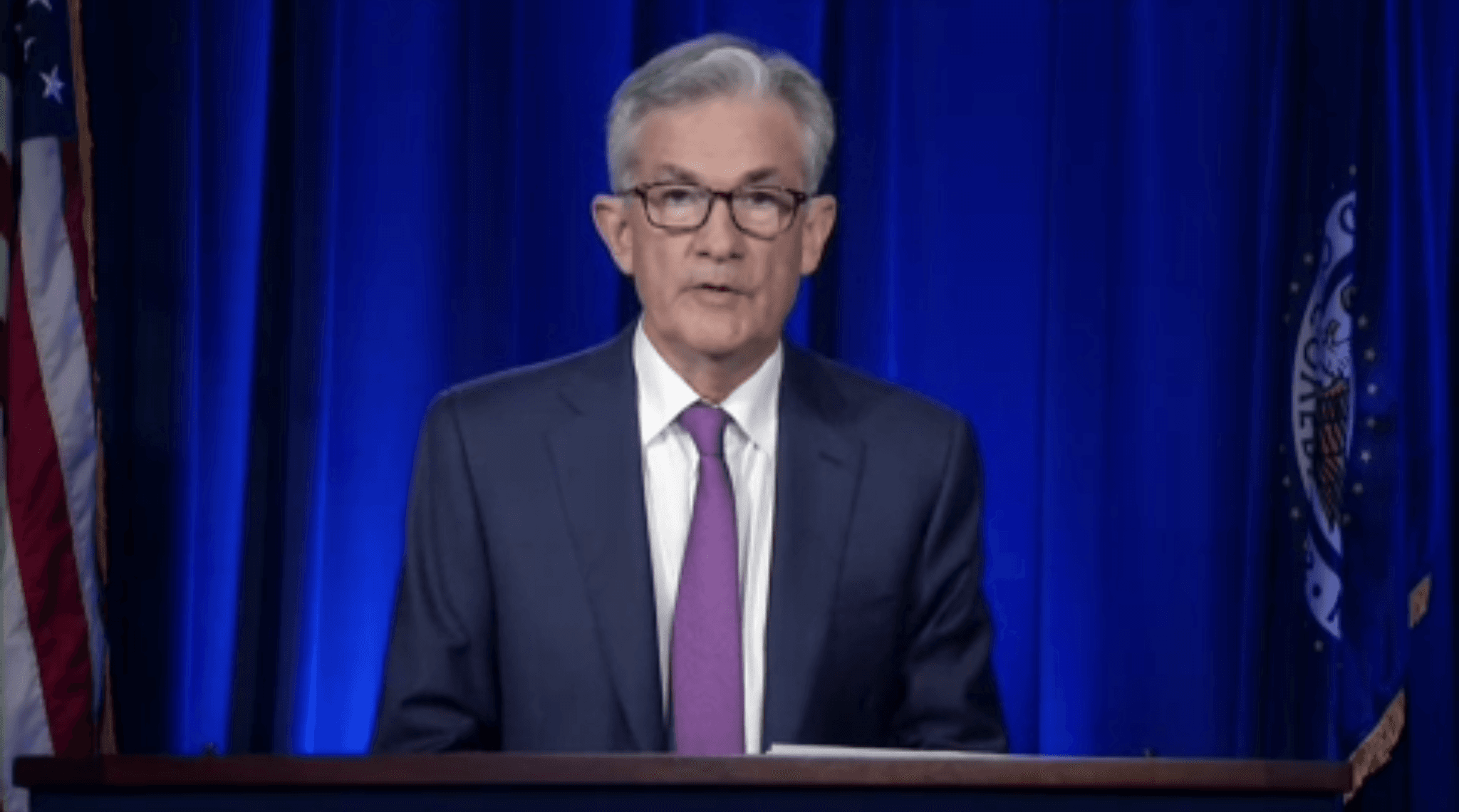
For the Federal Reserve, this geopolitical development introduces another layer of complexity into an already delicate monetary policy balancing act. Chair Jerome Powell and the Federal Open Market Committee (FOMC) have consistently reiterated their unwavering commitment to achieving the two percent inflation target while navigating a series of supply-side shocks that operate largely outside the central bank's direct influence. A sustained or significant rise in global energy prices, directly attributable to heightened tensions in the Persian Gulf, would inevitably feed into the Consumer Price Index (CPI) and the Personal Consumption Expenditures (PCE) deflator, making the Fed's disinflationary path considerably more challenging. This scenario could compel the FOMC to re-evaluate its current forward guidance, potentially delaying any anticipated rate cuts or, in a more adverse outcome, necessitating a more restrictive “higher for longer” stance to effectively anchor inflation expectations and prevent a re-entrenchment of price pressures. The market's perception of the Fed's reaction function to such external shocks will be paramount in shaping rate expectations.
Within the fixed-income complex, the implications are multifaceted and demand granular analysis. An escalation of geopolitical risk typically triggers a robust flight-to-quality bid, compressing yields on benchmark safe-haven assets such as U.S. Treasuries, particularly across the intermediate and long segments of the curve, as demand for duration rises. However, if this risk simultaneously fuels a sustained increase in inflation expectations through higher energy prices, the yield curve could steepen as bond investors demand greater term premium for future inflation. Credit spreads, especially within sectors highly vulnerable to energy price volatility, global trade disruptions, or supply chain dislocations, face potential widening. Corporate bonds from energy-intensive industries, multinational corporations with significant international shipping exposure, or those reliant on globalized supply chains — spanning from certain industrials and transportation to consumer discretionary and technology firms — could see their spreads to Treasuries expand. This reflects an increased perception of operational risk, potential default risk, and tighter liquidity conditions. Large institutional investors, including major pension funds like CalPERS or insurance giants like MetLife, are now rigorously re-evaluating their duration exposure, credit allocations, and hedging strategies to mitigate these emerging risks.
The cross-asset implications are profound, creating ripple effects across global equity markets, commodities, and the burgeoning digital asset space. Equities, particularly those sensitive to fluctuating consumer spending, energy input costs, and global trade flows, are poised to face significant headwinds. Companies with extensive international supply chains or those heavily reliant on stable geopolitical environments for their operations could experience downward pressure on profit margins, leading to revised earnings guidance and increased volatility. Commodities, especially crude oil, would almost certainly experience upward price pressure, benefiting energy producers but simultaneously increasing costs for nearly every other sector of the global economy. Gold, a time-honored safe haven, would likely see sustained and elevated demand as investors seek protection against both inflation and systemic risk. For digital assets, Bitcoin, trading at $80,057, and Ethereum, at $2,354, demonstrated relative resilience today, but a prolonged period of intense global uncertainty and pervasive risk aversion could severely test their correlation with traditional risk assets. This might trigger either a flight to quality within the crypto ecosystem, potentially benefiting established assets like BTC, or a broader deleveraging event across the entire digital asset complex.
Looking ahead, market participants will maintain an intense focus on any further diplomatic or military developments pertaining to the proposed mission and the broader geopolitical landscape in the Middle East. Upcoming economic data releases, including the next Consumer Price Index (CPI) and Personal Consumption Expenditures (PCE) reports, will undergo heightened scrutiny for any signs of inflation reacceleration driven by energy prices or supply chain bottlenecks. Statements from Federal Reserve officials, including their public remarks and the forthcoming minutes from the next Federal Open Market Committee (FOMC) meeting, will be meticulously dissected for clues on how the central bank intends to incorporate this new layer of geopolitical risk into its monetary policy deliberations. The market's evolving perception of the Fed's reaction function to external, supply-side inflation shocks will be the critical determinant in shaping yield curve dynamics, credit spread behavior, and overall market volatility in the coming weeks and months. Analysts at firms like JPMorgan and BlackRock will be recalibrating their models.
The bottom line for fixed income and global macro strategy remains unequivocally clear: President Trump's call for an expanded naval presence near Iran introduces a substantial and unquantifiable geopolitical risk premium into global markets. While initial market reactions reflect a complex interplay of safe-haven flows into sovereign debt and rising inflation fears, the potential for sustained energy price inflation significantly complicates the Federal Reserve's already challenging path toward its two percent target. Bond investors must now proactively contend with heightened duration risk, potential credit spread widening in geopolitically sensitive sectors, and the re-emergence of inflation as a primary concern, demanding a more dynamic and tactical approach to portfolio construction. The era of predictable disinflation, characterized by declining commodity prices and stable supply chains, is increasingly challenged by external shocks, necessitating a fundamental re-evaluation of monetary policy expectations and risk asset valuations across the entire financial spectrum.