DuPont announced an increase in its full-year financial outlook, citing strong pricing power across its portfolio. The chemical giant reported net sales growth of eight percent for the second quarter of 2026, exceeding analyst expectations. This performance was driven by price increases implemented across key segments, including electronics, water solutions, and industrial materials, reflecting strong demand in critical end markets. The company said these price adjustments successfully offset rising input costs, which have been worsened by ongoing supply chain disruptions and higher geopolitical tensions from the Iran conflict. This capability shows a broader corporate trend of maintaining profitability amid external shocks.
Bond markets showed a mixed reaction to DuPont's earnings, reflecting concerns about persistent inflation and the Federal Reserve's policy path. Short-term Treasury yields saw a modest increase, with the two-year Treasury yield rising two basis points to 5.18 percent, as the news reinforced corporate pricing power and its implications for central bank rate decisions. The 10-year Treasury yield remained largely stable at 4.75 percent, suggesting longer-term inflation expectations are anchored, though at levels above the Fed's target. The U.S. dollar index gained 0.3 percent against a basket of major currencies, reflecting a flight to safety or expectations of continued U.S. economic outperformance. Equity markets welcomed the corporate resilience, with the S&P 500 rising 0.8 percent to $7,259, the Nasdaq Composite up 1.0 percent to $25,326, and the Dow Jones Industrial Average gaining 0.7 percent to $49,298, showing investor confidence in corporate earnings.
This corporate ability to pass on rising costs to consumers echoes patterns observed during the post-pandemic inflationary surge that peaked in 2022, where numerous firms, from consumer staples to industrial manufacturers, demonstrated considerable pricing leverage even as the Federal Reserve began its tightening cycle. The current environment introduces a geopolitical dimension, with the Iran conflict contributing to volatility in global commodity markets, particularly for oil and natural gas, thereby driving up energy and raw material expenses for industries. DuPont's success in offsetting these pressures through price adjustments challenges the Federal Reserve's disinflationary narrative, suggesting that demand remains resilient enough for companies to protect, and in some cases expand, profit margins despite higher input costs. This dynamic complicates the path to the central bank's two percent inflation target, indicating a more entrenched inflationary impulse than previously assumed.
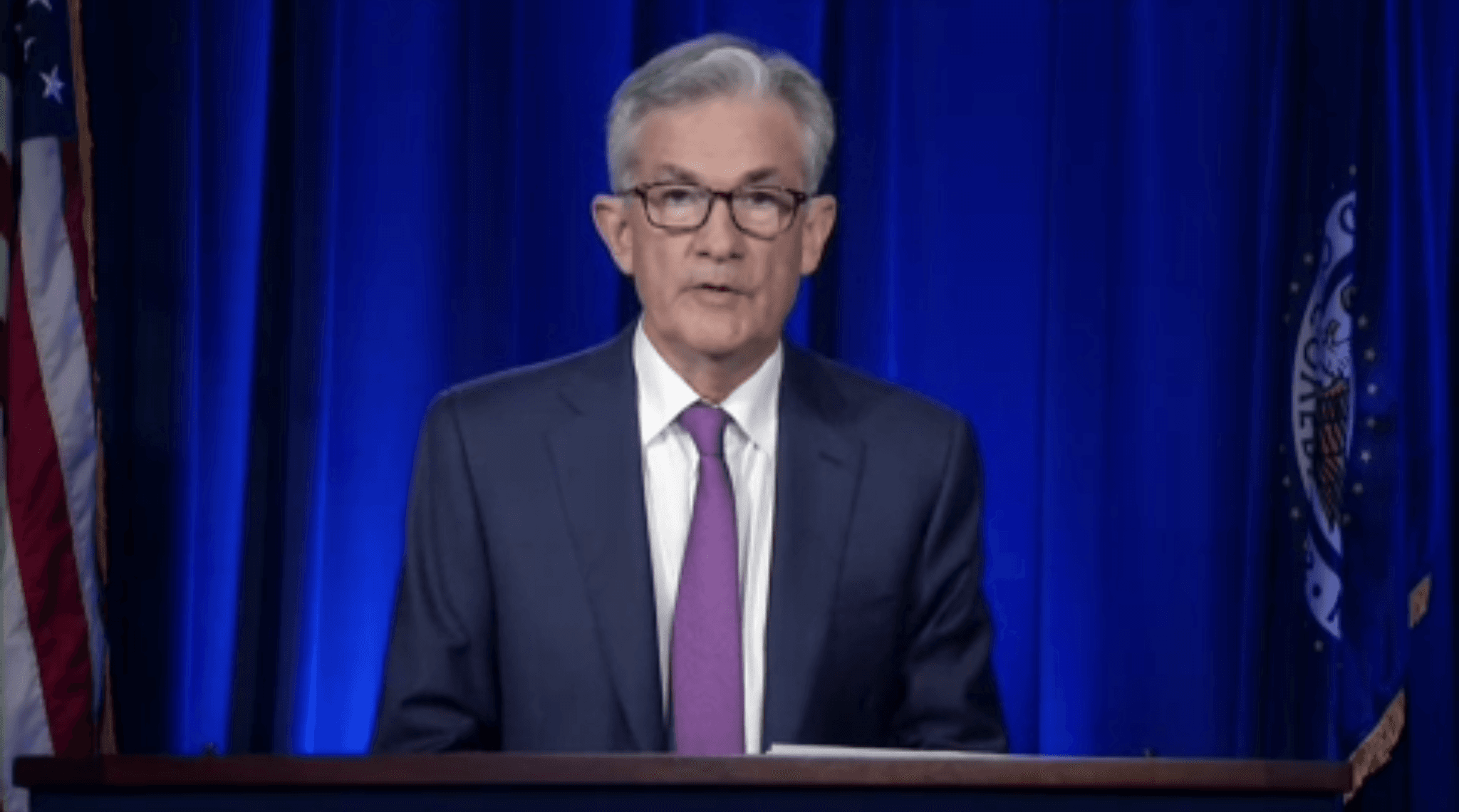
Federal Reserve Chair Jerome Powell has consistently emphasized the central bank's commitment to returning inflation to its two percent target, frequently pointing to sticky services inflation and a tight labor market as primary obstacles to achieving this goal. DuPont's earnings report, alongside similar results from other corporations demonstrating strong pricing power in the goods-producing sectors, indicates that inflationary pressures are not solely confined to services but are also present across various segments of the economy. This corporate resilience in maintaining margins through price hikes likely reinforces the Federal Reserve's cautious, data-dependent approach to monetary policy easing, suggesting that the federal funds rate will remain elevated for an extended period. The Fed's forward guidance will continue to prioritize evidence of disinflation across indicators, with any sustained evidence of corporate pricing power pushing back against immediate rate cut expectations and favoring a higher for longer policy stance.
DuPont's performance shows the ongoing challenges for institutional investors in fixed income amid a high-rate environment marked by persistent inflation risks and geopolitical uncertainties. The yield curve, which has seen periods of significant inversion over the past year, may face sustained pressure to remain flat or inverted, particularly if short-term rates are held higher by a hawkish Federal Reserve. Spread compression in investment-grade corporate bonds, typically a feature of periods with improving credit fundamentals and declining systemic risk, may see a pause or even a slight widening as inflation risk premiums are embedded more deeply into bond yields across the maturity spectrum. Duration risk remains a critical consideration for portfolio managers; longer-dated bonds offer less capital preservation where nominal yields remain high and real yields are compressed by inflation, necessitating a focus on shorter-duration assets or inflation-protected securities to mitigate interest rate sensitivity.
The implications extend across the broader asset complex, impacting equities, commodities, and digital assets. Equities, particularly those of companies with strong pricing power, robust balance sheets, and inelastic demand for their products, such as Apple and Alphabet, can continue to perform well, as seen in their respective gains of 2.6 percent to $284.18 and 1.4 percent to $388.43. However, the upward pressure on bond yields, driven by persistent inflation, could eventually cap broader equity valuations, especially for growth stocks with longer-duration cash flows that are more sensitive to discount rates. Commodities, particularly energy and industrial metals, are likely to remain volatile and potentially appreciate further, driven by geopolitical tensions and ongoing supply chain vulnerabilities. For digital assets, Bitcoin at $81,580 and Ethereum at $2,377, while not directly tied to DuPont's specific earnings, remain sensitive to broader macroeconomic liquidity conditions and interest rate expectations, which are now anchored by a higher-for-longer outlook, influencing investor risk appetite across the board.
The market's attention now shifts to upcoming macro data releases, with the Consumer Price Index report for April, due next week, serving as a key event for assessing the trajectory of inflation. Investors will closely scrutinize core inflation figures, excluding volatile food and energy components, for any signs of moderation in underlying price pressures. Furthermore, the Federal Open Market Committee's next meeting in June will provide insights into the central bank's updated assessment of current economic conditions and its revised dot plot projections for future interest rates. The persistent geopolitical backdrop in the Middle East, particularly concerning Iran's role in global energy markets, continues to pose a significant wild card, introducing ongoing supply-side risks that could further fuel inflationary pressures and necessitate a nimble, adaptive approach from global policymakers in the coming months.
Corporate pricing power, demonstrated by DuPont and reinforced by geopolitical complexities, remains a strong force against a rapid return to the Federal Reserve's two percent inflation target. This environment requires a continued expectation of elevated interest rates, placing sustained pressure on longer-duration fixed-income assets and favoring companies that can effectively manage input costs and pass them on to consumers without significant demand destruction. The fixed-income landscape demands active portfolio management, with an emphasis on shorter-duration credit, inflation-protected securities, and a vigilant eye on geopolitical developments that continue to shape global supply chains and commodity prices. Investors will focus on credit quality and liquidity, positioning portfolios for an extended period of higher nominal yields and tighter monetary conditions.