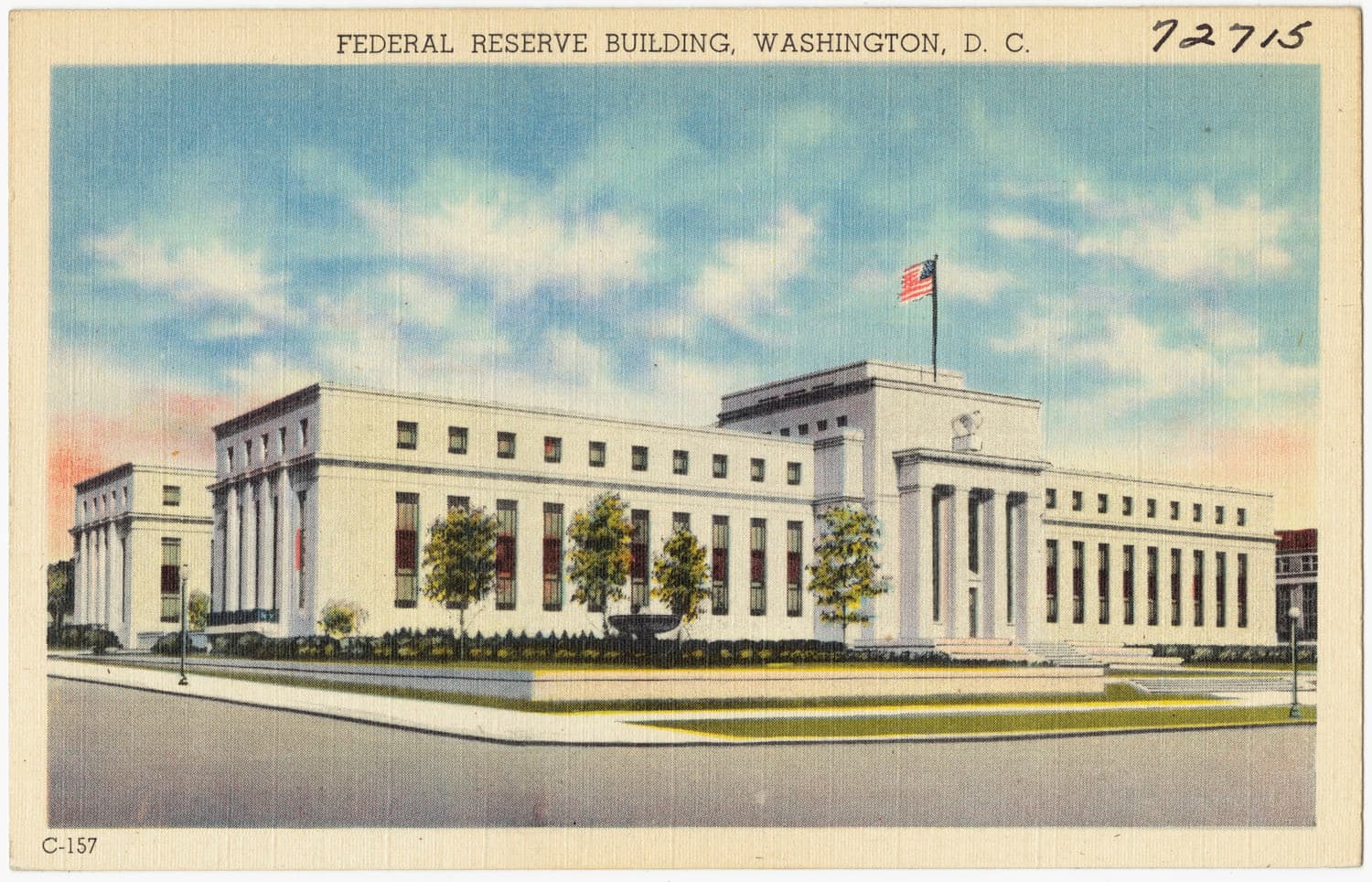
NEW YORK — The global equity rally, led by U.S. technology stocks, now faces a search for new momentum and value, driving institutional capital toward Asian markets. The S&P 500 trades at 7,399, up 0.8 percent today, but persistent inflation signals in the United States mean the Federal Reserve maintains a cautious stance. This keeps U.S. Treasury yields elevated, with the two-year yield currently at 4.92 percent and the 10-year at 4.58 percent, maintaining an inverted curve that signals bond market duration risk.
Fund managers are re-evaluating risk-reward profiles, finding Asian equities more attractive after a period of underperformance relative to their U.S. counterparts. Valuations in key Asian indices remain lower, with price-to-earnings multiples significantly below those for U.S. growth stocks like NVDA at $215.20 or Tesla at $428.35. This shift reflects a strategic rotation away from concentrated U.S. tech exposure toward diversified cyclical recovery plays in emerging and developed Asia.
The reallocation has direct implications for fixed-income markets. Increased capital outflow from the United States into Asia could temper demand for U.S. Treasury duration, potentially pushing long-end yields higher. Appetite for Asian sovereign and corporate debt is rising, leading to spread compression in investment-grade Asian credit. This trend is evident in industrial and consumer discretionary sectors across Southeast Asia, where stronger growth forecasts support credit quality.
Investors are noting Asia's economic resilience, driven by robust domestic consumption and a rebound in global trade. Manufacturing Purchasing Managers' Indices across several Asian economies, including South Korea and Taiwan, have shown expansion for three consecutive months. This sustained activity points to solid earnings growth prospects for Asian companies, which contrasts with concerns about the durability of U.S. corporate margins under higher interest rates.
The dollar index, currently at 105.3, could face headwinds if this capital rotation accelerates. A weaker dollar would further enhance the appeal of foreign assets for U.S.-based investors. This dynamic reflects a broader recalibration of global portfolios, as institutions seek to optimize returns in an environment where the Federal Reserve remains committed to its two percent inflation target, keeping the "higher-for-longer" rate narrative firmly in place.