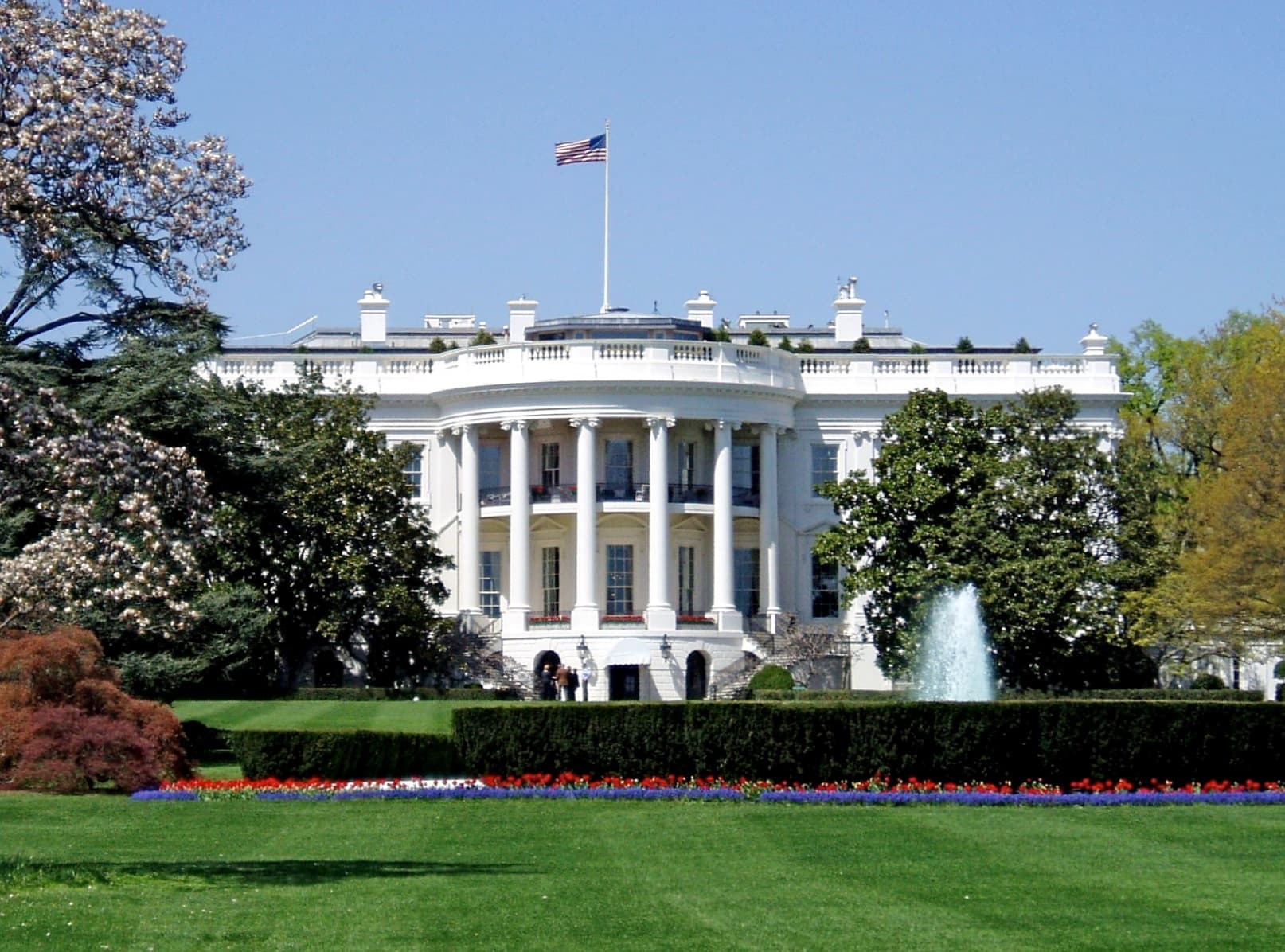
WASHINGTON — President Donald Trump's administration formally unveiled its multi-phase roadmap for the demilitarization and reconstruction of the Gaza Strip on Thursday, July 30. The plan calls for an initial 18-month security transition managed by a multinational force, followed by long-term economic development and governance reforms. The initiative comes after months of quiet diplomacy led by Secretary of State Marco Rubio and national security advisor Mike Waltz.
The White House proposal, outlined in a 42-page document titled "Roadmap for a Stable Gaza," details three distinct phases. Phase one involves the full withdrawal of all non-Palestinian armed groups and the establishment of secure humanitarian corridors. Phase two focuses on infrastructure rebuilding and the deployment of a U.N.-mandated stabilization force, backed by contributions from NATO and Arab League nations. Phase three centers on economic integration with neighboring states.
Initial estimates from the State Department indicate a need for $15 billion in reconstruction aid over the first five years. The United States will commit $2.5 billion, with Saudi Arabia, the United Arab Emirates and Qatar expected to pledge the bulk of the remaining funds. Treasury Secretary Scott Bessent has engaged Gulf state finance ministers, securing preliminary commitments during his July visit to Riyadh and Abu Dhabi.
U.S. defense contractors stand to gain from the security provisions. Lockheed Martin and Raytheon Technologies, both active lobbyists in Washington, will likely bid on contracts for surveillance equipment, border security systems and training programs for the proposed multinational force. Lockheed Martin spent $4.8 million on lobbying in the first quarter of 2026, according to OpenSecrets filings, with a focus on Middle East security assistance and foreign military sales. General Dynamics also holds contracts with regional partners and is expected to pursue opportunities for armored vehicles and communication systems for the stabilization mission.
Egypt and Jordan are positioned to play expanded roles in border security and humanitarian aid distribution under the plan. The proposal seeks to integrate Gaza's economy with those two nations rather than Israel, aiming to reduce dependence on Israeli crossings. The shift could strengthen Cairo's diplomatic leverage in the region and give Jordan increased access to international aid flows.
The Palestinian Authority has expressed reservations, with President Mahmoud Abbas's office calling the plan "incomplete" due to its lack of explicit statehood guarantees. Hamas, which controls parts of Gaza, has rejected the demilitarization premise entirely. Israeli Prime Minister Benjamin Netanyahu's government has not officially endorsed the plan, citing ongoing security concerns regarding any withdrawal of forces.
The roadmap follows renewed calls for a long-term solution after the conflict escalated in May 2026, resulting in more than 1,500 civilian casualties and widespread infrastructure damage. Previous U.S.-led initiatives for Gaza focused on temporary ceasefires and humanitarian relief, failing to address underlying governance and security structures.
The proposed $15 billion aid package dwarfs previous reconstruction efforts. Following the 2021 conflict, international donors pledged $5.4 billion, with only 30 percent disbursed within two years. The Trump administration's plan seeks to streamline aid distribution through a new multilateral trust fund, bypassing existing U.N. agencies to reduce bureaucratic delays.
The plan's reliance on a new multilateral trust fund, bypassing existing U.N. channels, is a direct response to past criticisms of aid diversion and inefficiency. The new structure, championed by Bessent, aims to centralize oversight and direct funds to specific projects — housing reconstruction, water treatment facilities and power grid repairs. Major international engineering and construction firms including Bechtel and Fluor Corporation are expected to compete for those contracts.
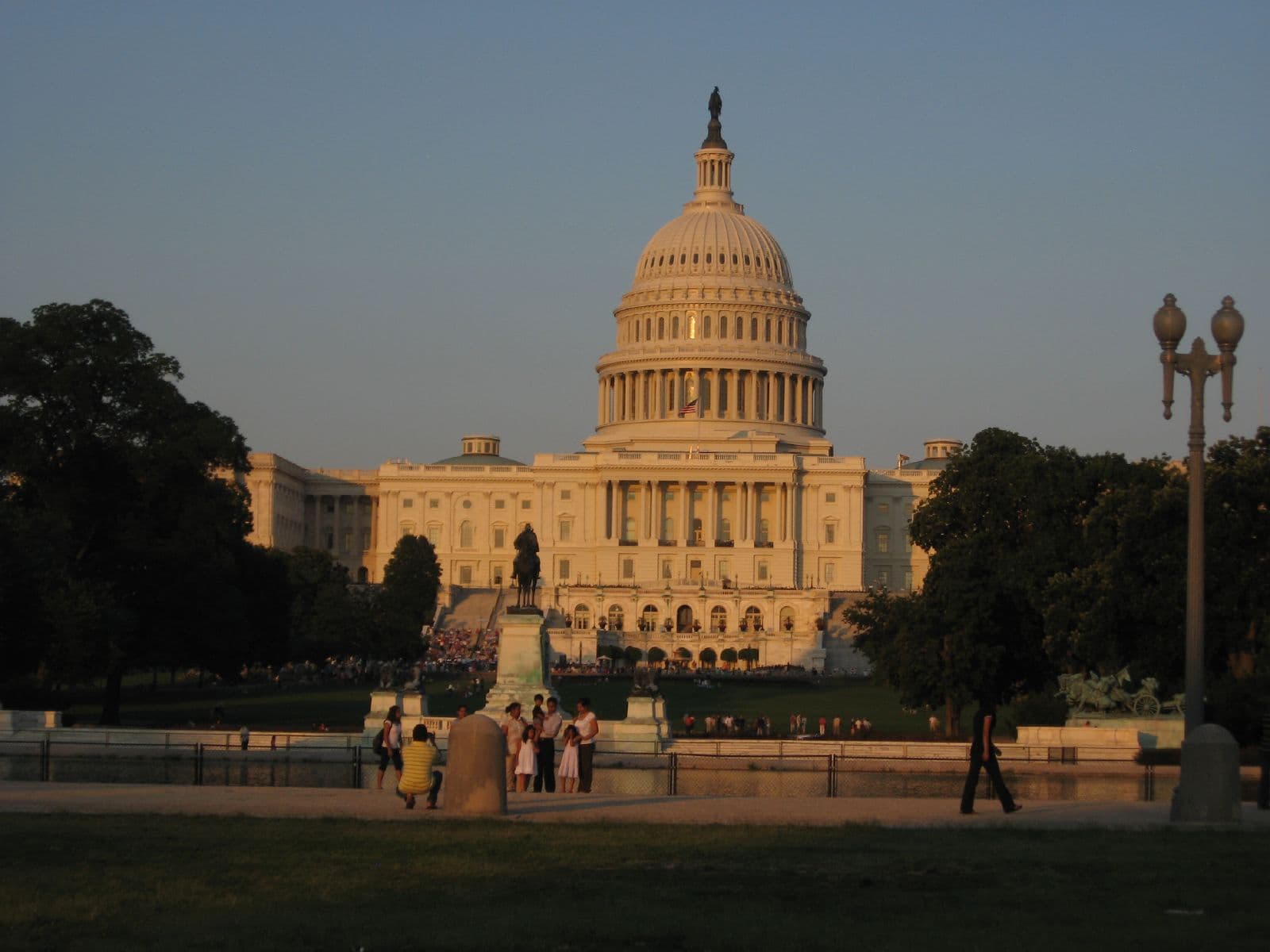
The White House will present the "Roadmap for a Stable Gaza" to the United Nations Security Council on Aug. 15. Congressional hearings are expected to begin in early September, with key votes on U.S. financial contributions anticipated before the end of the fiscal year on Sept. 30. Securing bipartisan support in Congress remains a hurdle, given the plan's financial commitments.